
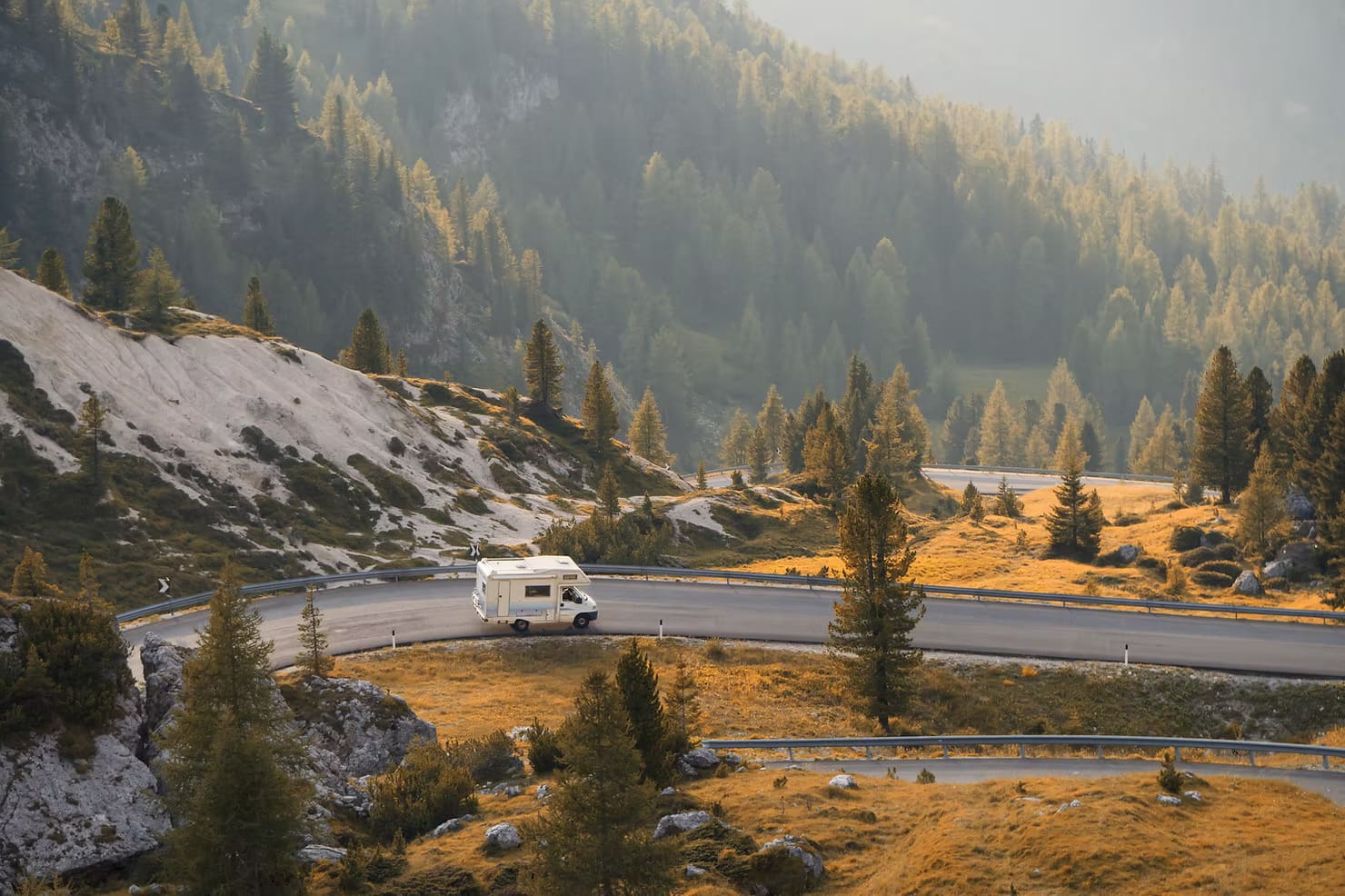
Timing can completely change how a destination feels. The same place can be crowded, expensive, and rushed at one time of year — and calm, beautiful, and far more enjoyable just a few weeks earlier or later.
That’s where shoulder season travel comes in.
The shoulder season — typically the period just before or just after peak travel months — offers many of the same experiences with fewer crowds, better value, and a more relaxed pace. For many travelers, it’s the sweet spot.
Here are seven destinations that truly shine during the shoulder season.
1. Italy
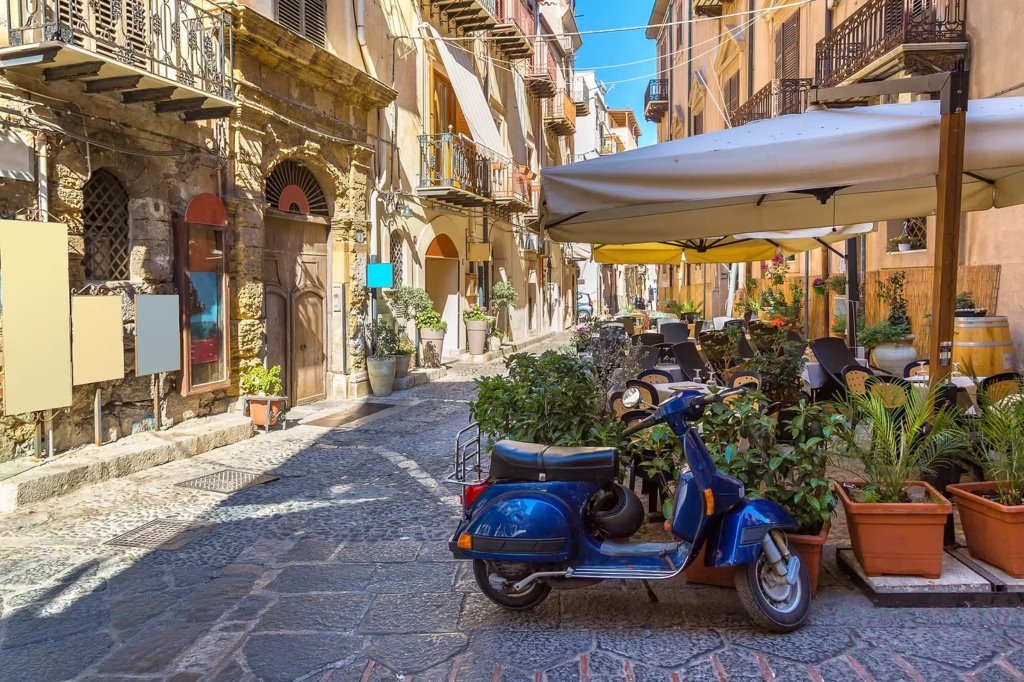
Late spring and early fall offer comfortable temperatures, fewer crowds, and a more enjoyable pace — especially in cities like Rome and Florence.
Why shoulder season works (Apr-May) & (late Sep-Oct):
- Better weather for sightseeing
- Easier access to major attractions
- More relaxed dining and cultural experiences
2. France
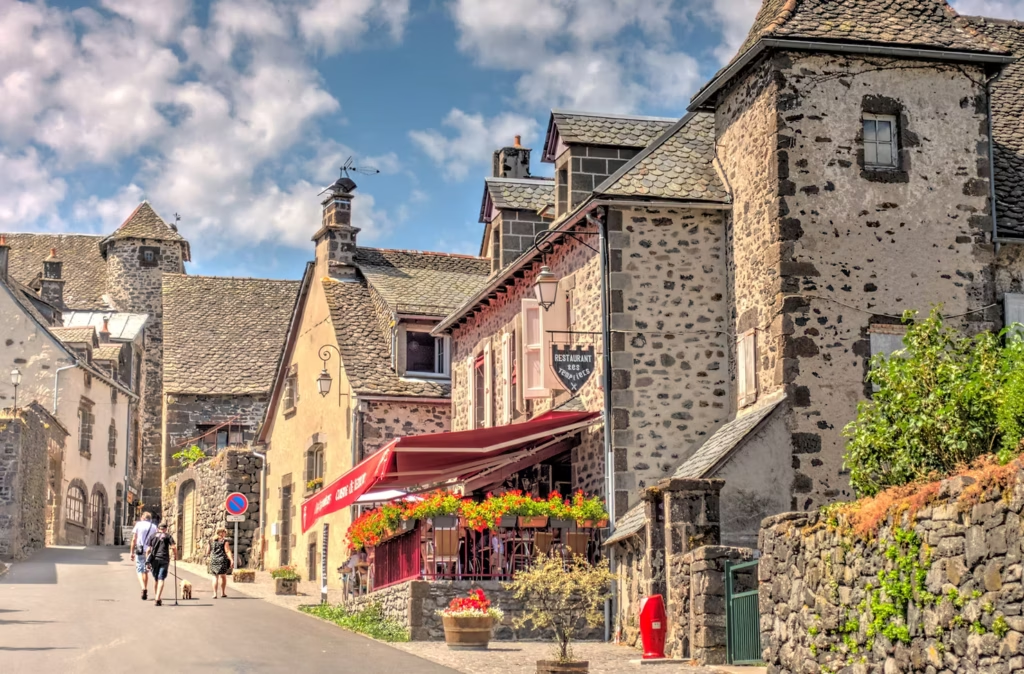
From Paris to Provence, shoulder season, brings mild weather and a calmer atmosphere.
Why shoulder season works (Apr-May) & (Sep-Oct):
- Museums and landmarks feel less overwhelming
- Wine regions come alive during harvest season
- Outdoor cafés and markets are more enjoyable
3. Spain
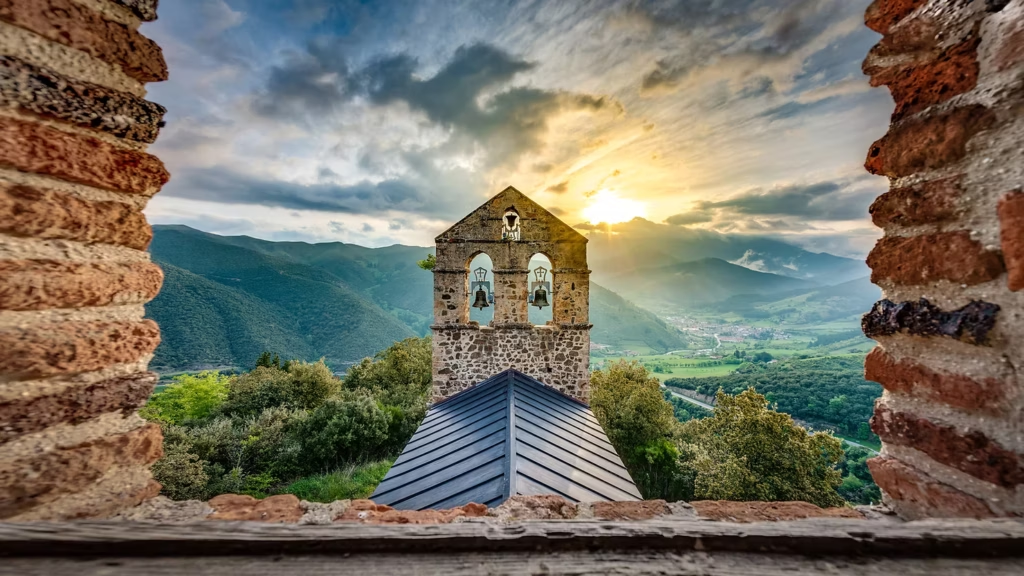
Spain’s cities can be intense in peak summer heat, making spring and fall far more comfortable.
Why shoulder season works (Mar-May) & (Sep-Oct):
- Ideal temperatures for walking cities
- Lively culture without peak crowds
- Coastal areas still warm enough to enjoy
4. Portugal

Portugal remains one of the best-value destinations in Europe, especially outside peak summer months.
Why shoulder season works (Apr-June) & (Sep-Oct):
- Pleasant weather along the coast
- Fewer cruise crowds in port cities
- Easier access to historic neighborhoods
5. Greece
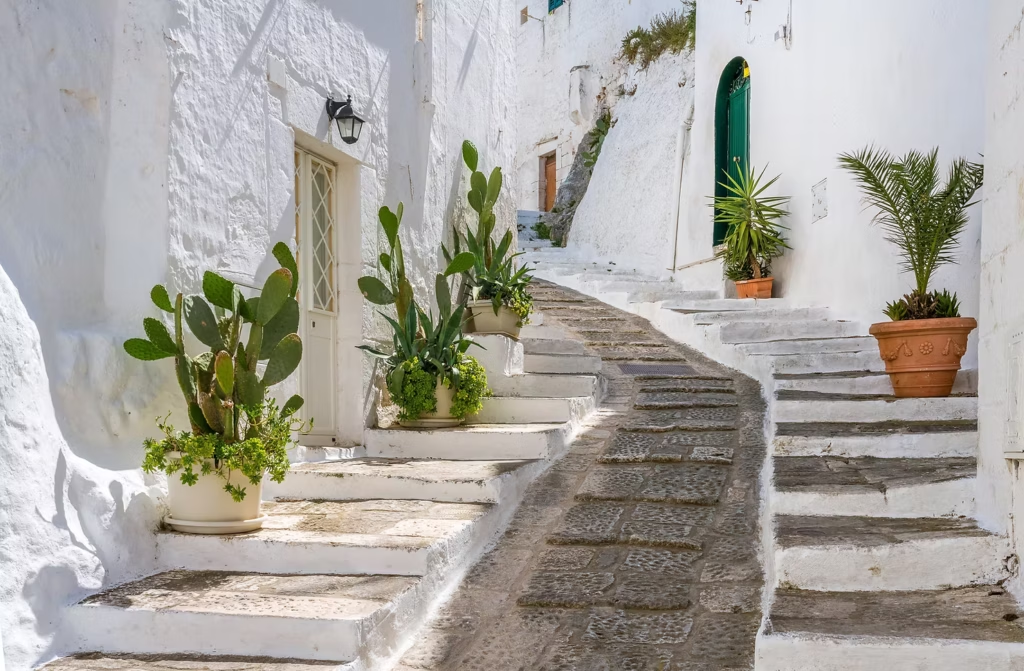
While summer is iconic, shoulder season offers a quieter, more authentic experience.
Why shoulder season works (May-early June) & (Sept):
- Fewer visitors on popular islands
- Comfortable temperatures for exploration
- More availability at desirable hotels
6. Japan
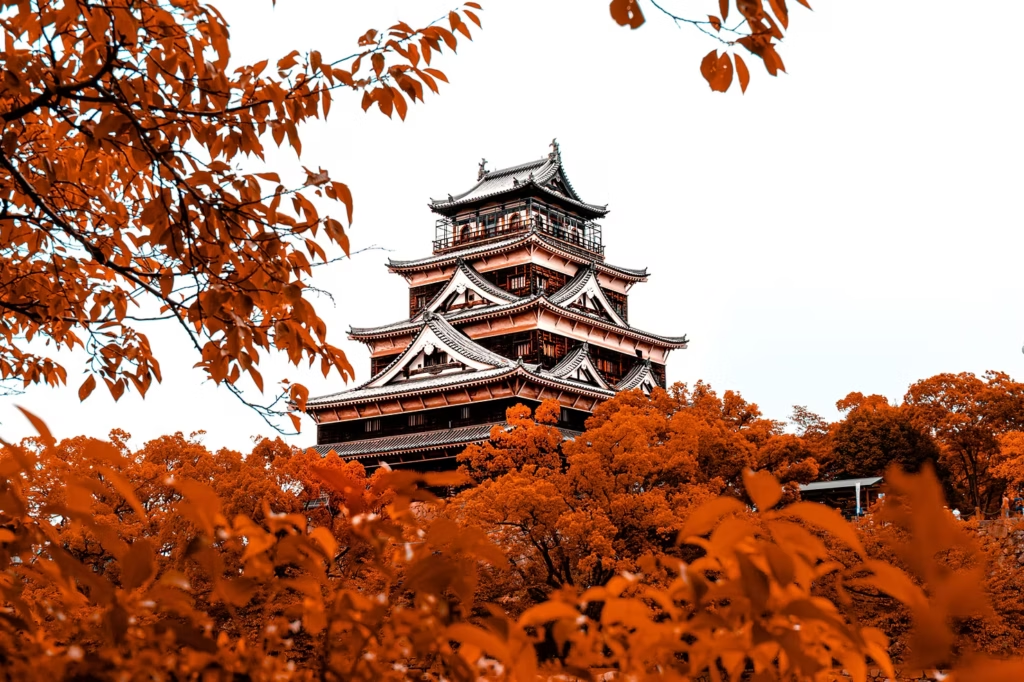
Japan’s shoulder seasons are known for natural beauty and cultural experiences.
Why shoulder season works (Late Mar-Apr) & (Oct-Nov):
- Seasonal scenery without peak crowds
- Comfortable temperatures
- Rich cultural calendar
7. Peru
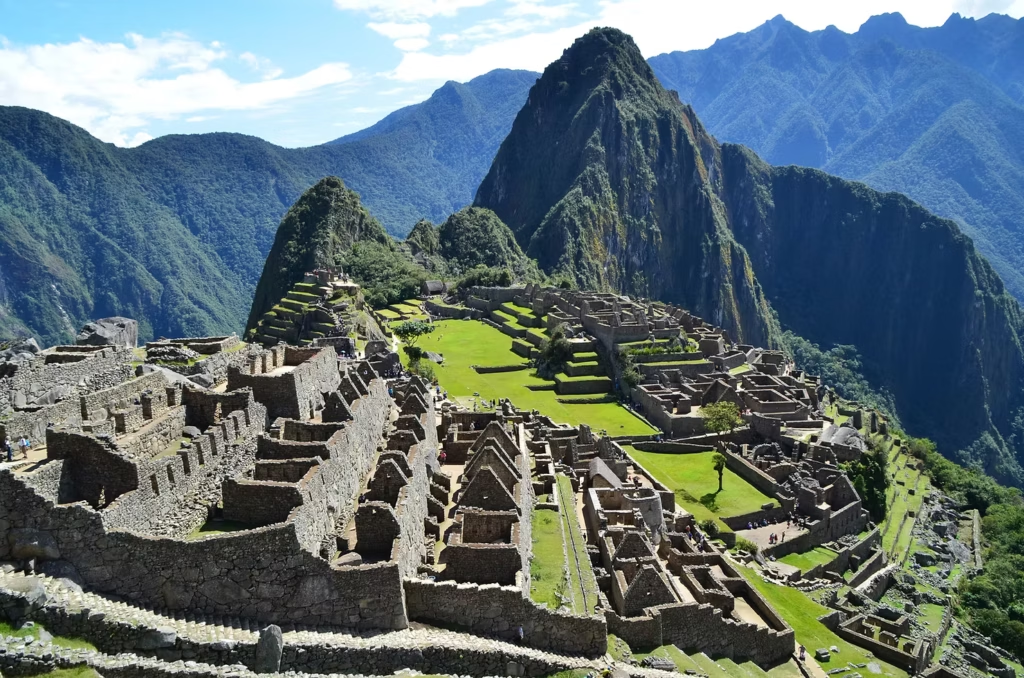
Outside peak travel months, Peru offers a calmer, more immersive experience.
Why shoulder season works (Apr-May( & (Sep-Oct):
- Fewer visitors at major sites
- More availability for guided experiences
- A slower, more meaningful pace
Are There Any Downsides to Shoulder Season Travel?
While shoulder season offers many advantages, it’s not perfect for every traveler. Being aware of the potential trade-offs helps set realistic expectations.
Weather Can Be Less Predictable
Spring and fall often bring mild temperatures, but occasional rain, wind, or cooler evenings are more common than in peak summer.
Best mindset:Pack layers and remain flexible with outdoor plans.
Shorter Daylight Hours
Compared to peak summer months, daylight hours may be shorter — especially in fall.
Best mindset:Plan sightseeing earlier in the day and enjoy evenings at a slower pace.
Some Seasonal Closures
In certain destinations, especially islands or smaller towns, some hotels, restaurants, or attractions may operate on reduced schedules.
Best mindset:Choose destinations and accommodations carefully, and plan activities in advance.
Water Temperatures May Be Cooler
For travelers focused on beach time, shoulder season seas can be cooler — particularly in spring.
Best mindset:Shoulder season is better for sightseeing and scenic travel than long beach days.
Festivals and Events May Be Limited
While shoulder season can include beautiful local events, it may miss large summer festivals or peak cultural celebrations.
Best mindset:Focus on quality experiences rather than large-scale events.
Who Shoulder Season May Not Be Ideal For
Shoulder season may not be the best fit for travelers who:
- Want guaranteed hot weather
- Prioritize beach and swimming time
- Are traveling around fixed festival dates
- Prefer long daylight hours
Is Shoulder Season Right for You?
Shoulder season travel is ideal for travelers who:
- Prefer fewer crowds
- Enjoy mild weather
- Want better value without sacrificing experience
- Appreciate slower, more intentional travel
It’s especially appealing to repeat travelers and those who value quality over quantity.
How I Help Clients Travel Smarter With Timing
Timing is one of the most powerful planning tools. I help clients by:
- Identifying ideal travel windows
- Matching destinations to seasonal strengths
- Balancing weather, crowds, and experiences
- Designing itineraries that feel relaxed, not rushed
Sometimes traveling slightly outside peak season makes all the difference.
Final Thoughts
The best trips aren’t always about going somewhere new — they’re about going at the right time. Shoulder season travel allows destinations to be experienced as they’re meant to be: enjoyable, immersive, and unhurried.
For most travelers, the benefits of shoulder season outweigh the drawbacks — especially when expectations are aligned with reality. With thoughtful planning, the small trade-offs often lead to a more enjoyable, immersive, and relaxed travel experience.


Be the first to comment