
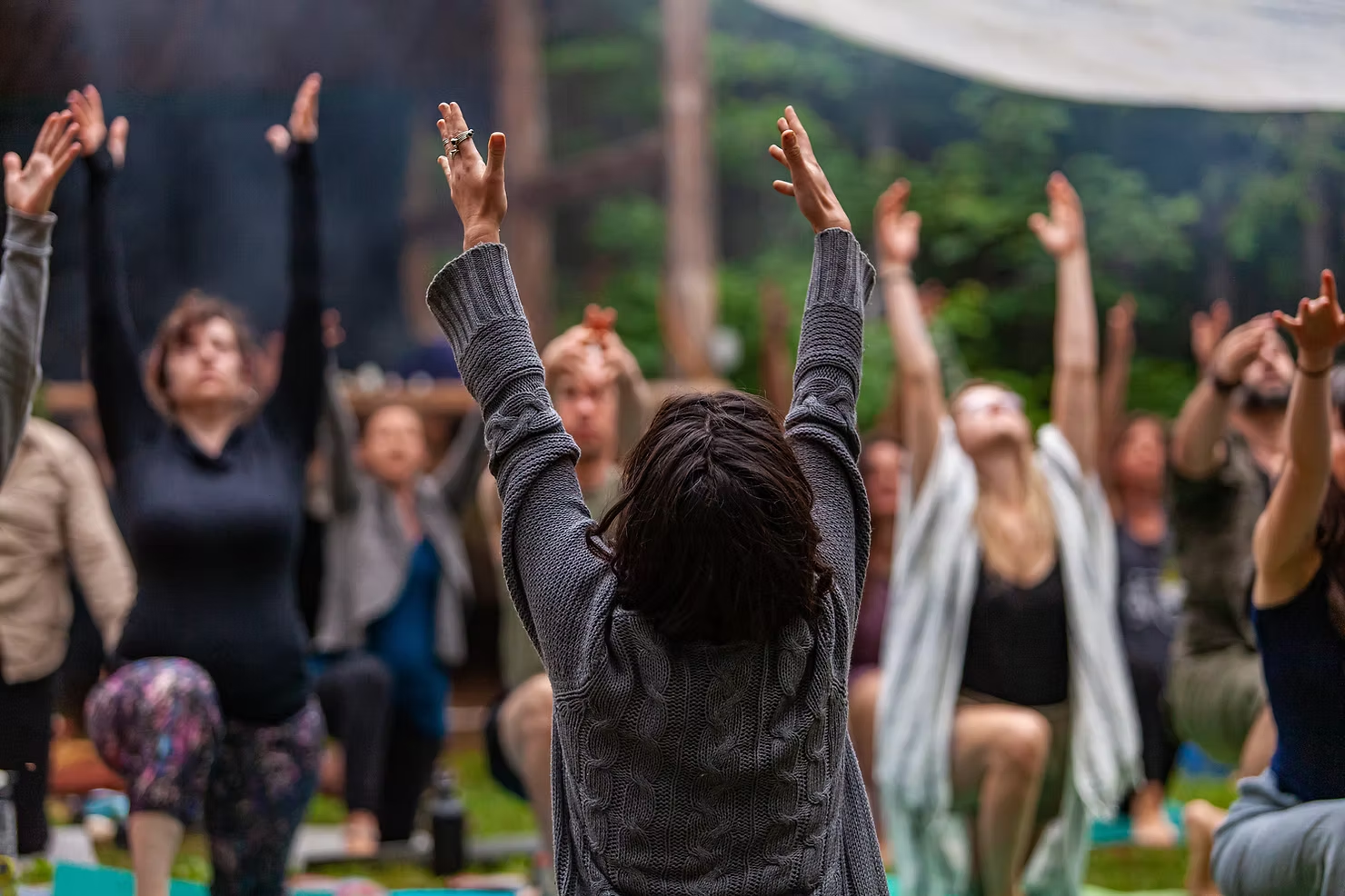
Wellness travel isn’t about doing nothing — and it’s not just about spa treatments either. At its core, wellness travel is about intentionally designing a trip that allows you to reset, whether that means slowing down, reconnecting with nature, improving your well-being, or simply creating space to breathe.
As travelers become more intentional with their time away, wellness-focused trips are no longer niche. They’ve become one of the most meaningful ways to travel.
**Wellness Travel Isn’t Just Popular — It’s One of the Biggest Travel Trends of 2026
Wellness travel isn’t a niche anymore — it’s a major shift in how people plan vacations. In 2026, travelers are choosing trips that prioritize restoration, purpose, and well-being over just sightseeing and ticking boxes. People want travel that supports their physical and mental health, even beyond a traditional spa getaway.
Industry data shows:
- Wellness tourism is rapidly expanding globally and projected to become a trillion-dollar industry as more people choose travel for self-care and renewal rather than just exploration.
- Travelers — especially Millennials and Gen Z — increasingly see rest and relaxation as essential vacation priorities, not luxuries.
- New trends like wellness cruises, solo female wellness breaks, and community-focused rituals are gaining traction this year as travel experiences evolve beyond traditional spa escapes.
In short: wellness travel is one of the defining ways people are choosing to take time off in 2026 — and it’s only growing as people seek deeper meaning, resilience, and restorative breaks from daily life.
What Wellness Travel Really Means
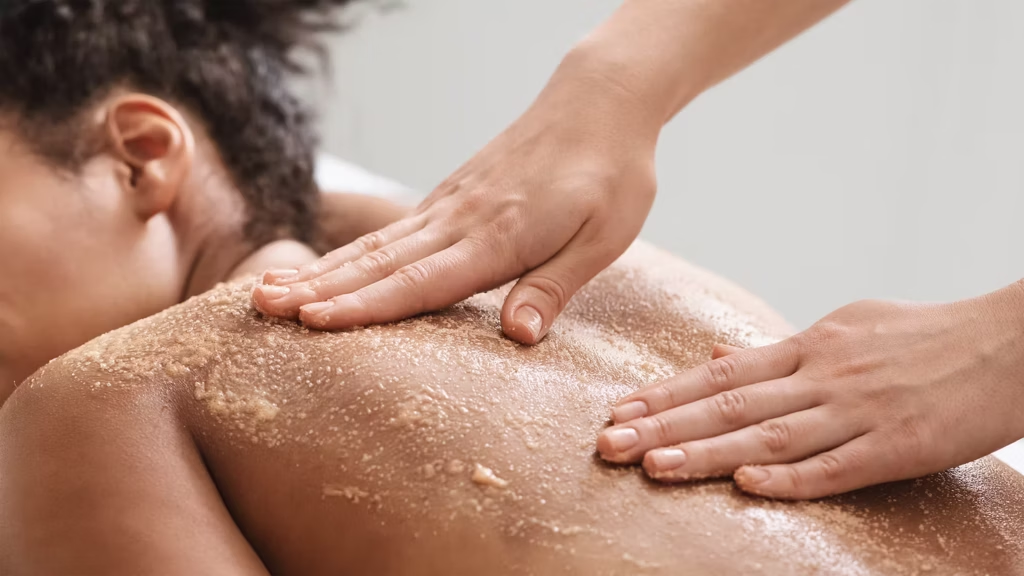
Wellness travel looks different for everyone. For some, it’s a structured retreat with daily yoga and guided programs. For others, it’s staying at a beautiful resort with spa access, nature, healthy dining options, and no pressure to follow a schedule.
What defines wellness travel isn’t how busy your days are — it’s how the trip makes you feel.
Common wellness elements include:
- Spa and hydrotherapy experiences
- Time in nature (beaches, mountains, countryside)
- Mindfulness, yoga, or movement offerings
- Nutritious, thoughtful dining
- Slower pacing and fewer location changes
Who Wellness Travel Is Best For
Wellness travel is a great fit for travelers who:
- Feel burnt out or overstimulated
- Want a more restorative vacation
- Prefer quality over quantity
- Value comfort, calm, and thoughtful design
- Want space to disconnect from daily routines
It’s especially popular with couples, solo travelers, and anyone celebrating a life transition or milestone.
Types of Wellness Travel Experiences
Resort-Based Wellness
Ideal for travelers who want flexibility. You choose how much or how little you participate — spa days, fitness classes, quiet pool time, or simply enjoying the setting.
Wellness Retreats
More structured and immersive. These often include scheduled activities, workshops, and meals focused on specific goals such as mindfulness, movement, or stress reduction.
Wellness Cruises
An emerging option that combines ease with enrichment. Many feature spa-focused amenities, fitness programming, and scenic itineraries with minimal packing and logistics.
Nature-Centered Escapes
Think countryside villas, mountain lodges, or coastal hideaways where the destination itself encourages rest, reflection, and reconnection.
What to Expect When Planning a Wellness Trip
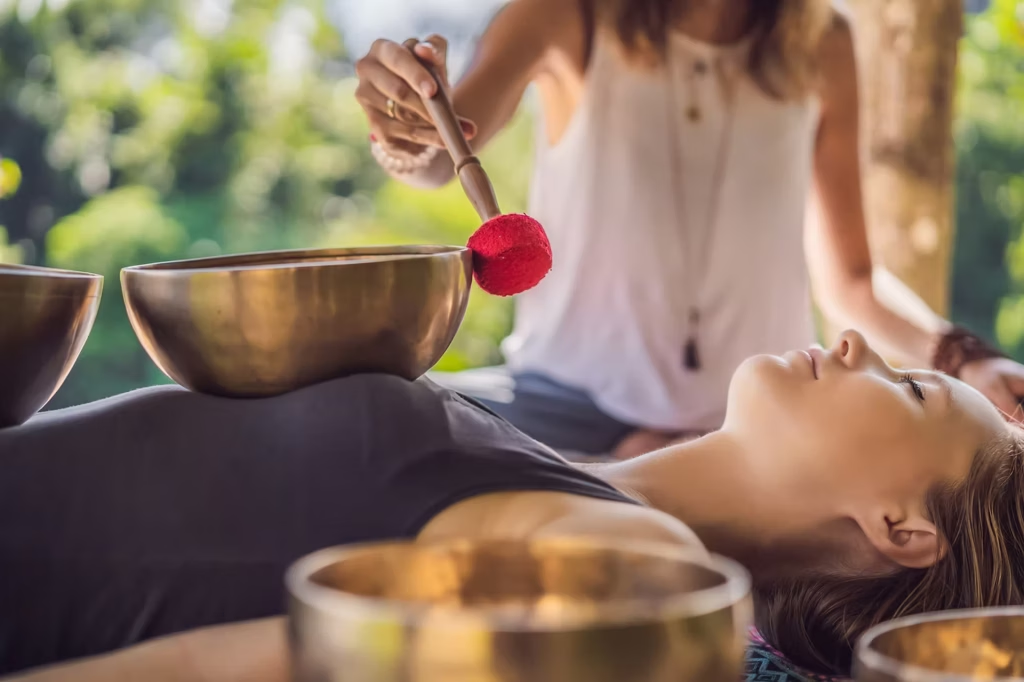
Wellness travel requires a different planning approach than a traditional sightseeing itinerary.
Expect:
- Fewer destinations, longer stays
- Less rigid scheduling
- Thoughtful accommodation selection
- Balance between guided activities and free time
Choosing the right destination and property is key — not all “wellness” trips offer the same level of experience or comfort.
Common Misconceptions About Wellness Travel
“It’s only for yoga enthusiasts.”Not true. Many wellness trips are simply about slowing down and being in a beautiful, calming environment.
“It’s too restrictive.”The best wellness travel allows choice, not pressure. You decide how much you want to engage.
“It’s not a real vacation.”For many travelers, wellness trips are the most restorative and memorable vacations they’ve ever taken.
How I Help Design Wellness-Focused Trips
Wellness travel works best when it’s personalized. I help clients by:
- Understanding what wellness means to them
- Matching destinations and properties to their goals
- Ensuring comfort, quality, and ease
- Creating itineraries that feel restorative, not rushed
Whether you’re looking for a full wellness retreat or simply want a calmer, more intentional vacation, the details matter.
Final Thought
Travel doesn’t always have to be about seeing more. Sometimes, the most valuable trips are the ones that allow you to slow down, recharge, and return home feeling better than when you left.
Wellness travel isn’t a trend — it’s a shift toward traveling with purpose.


Be the first to comment