
One of the most common questions when planning a trip to Europe is how much it actually costs. And while there’s no single number, the reality is that pricing varies widely depending on how the trip is designed.
What matters more than the exact cost is understanding what goes into it—and how those choices shape the overall experience.
The Short Answer
For most travelers, a well-planned trip to Europe typically falls within:
- $4,000–$7,000 per person for 10–14 days (excluding flights)
- $5,500–$9,000+ per person for a more elevated, curated experience
This includes accommodations, transportation within Europe, and a mix of experiences.
Flights are additional and can vary significantly depending on timing and departure city.
What Impacts the Cost the Most

Several factors have the biggest influence on your overall budget:
Where You Stay
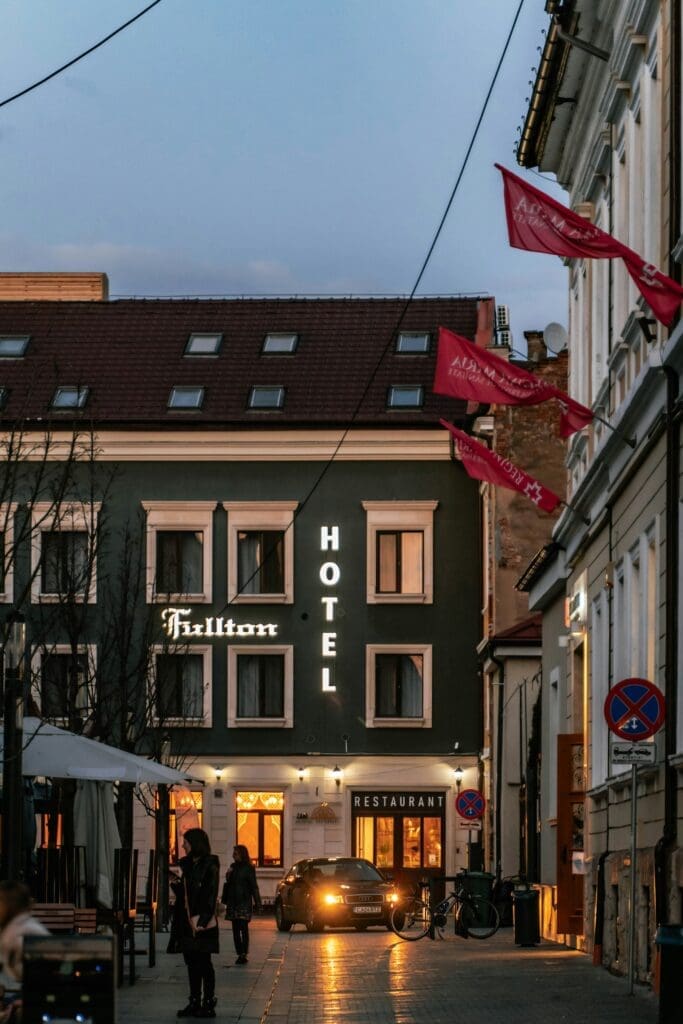
Centrally located, well-designed hotels tend to cost more—but they also reduce travel time and improve the overall experience.
How You Move Between Destinations
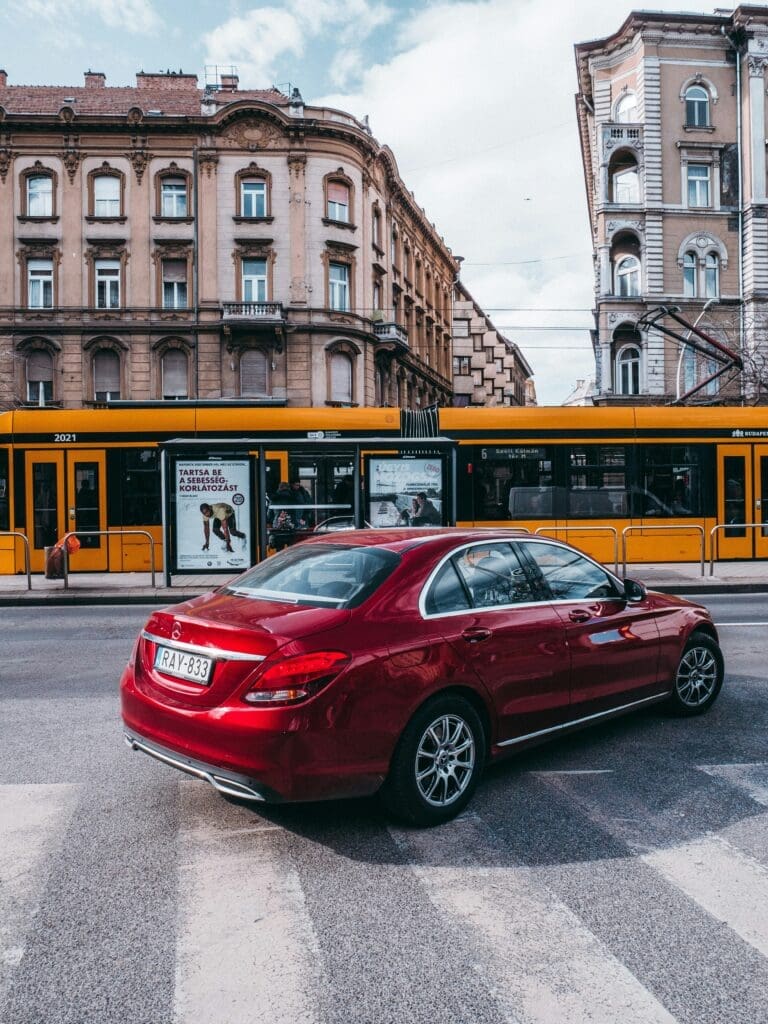
High-speed trains, private transfers, or flights all come at different price points, but also affect how smooth your trip feels.
Experiences and Activities
Guided tours, private experiences, and unique excursions can add to the cost—but they’re often what make the trip memorable.
What a Mid-Range, Well-Planned Trip Looks Like
A thoughtfully planned trip doesn’t need to be overly luxurious to feel elevated.
For many travelers, this might include:
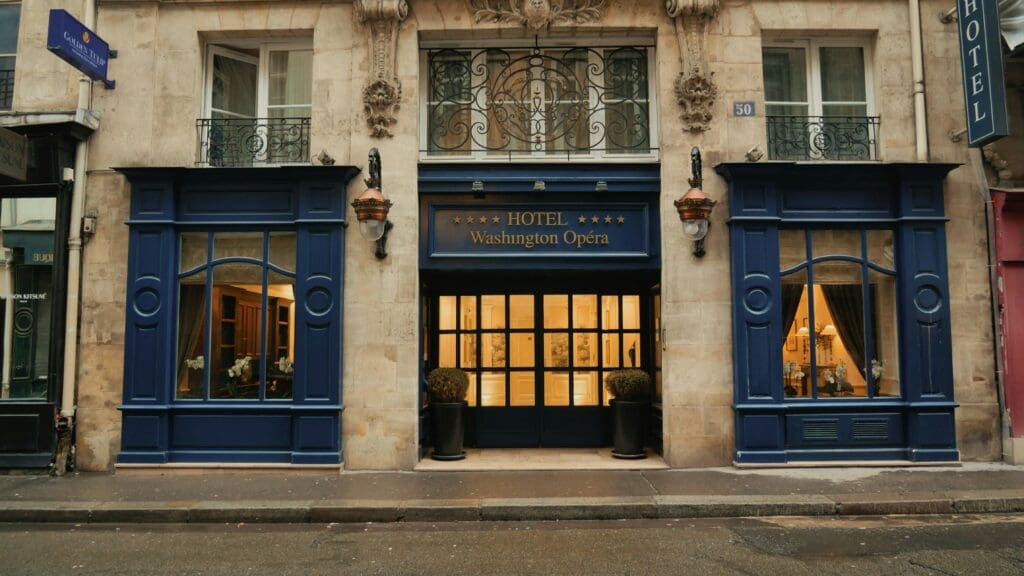
- Boutique or well-located 4-star hotels
- Train travel between destinations
- A mix of planned experiences and free time
- Comfortable, well-paced itinerary
In destinations like Italy, France, or Spain, this range allows for a trip that feels seamless without being excessive.
Where Costs Add Up Quickly

Certain choices can increase costs more than expected:
- Traveling during peak season
- Booking late when options are limited
- Trying to fit too many destinations into one trip
- Choosing convenience without considering overall structure
Often, it’s not one big expense—it’s the combination of small decisions that adds up.
Where You Can Be More Flexible
Not every part of your trip needs to be maximized.
Flexibility can exist in:
- Dining choices
- Number of paid activities
- Travel season (shoulder vs peak)
Balancing where you invest and where you keep things simple allows the trip to feel both elevated and practical.
Why the Cheapest Option Isn’t Always the Best Value
Lower prices can sometimes come with trade-offs—locations further from the center, more complicated logistics, or a pace that feels rushed.
In many cases, spending slightly more in the right areas—like location or transportation—can make the entire trip feel significantly smoother.
Value isn’t just about cost. It’s about how the experience comes together.
A More Realistic Way to Think About Cost
A trip to Europe isn’t just a set of bookings—it’s an experience that’s shaped by how everything fits together.
Understanding the cost helps set expectations, but how the trip is designed is what ultimately determines how it feels.
Finding the Right Balance
There isn’t a single “correct” budget for a Europe trip. The right investment is the one that aligns with what you want out of the experience—whether that’s comfort, flexibility, or a more immersive pace.
The goal isn’t to spend more—it’s to spend in a way that makes the entire trip feel worth it.


Be the first to comment