
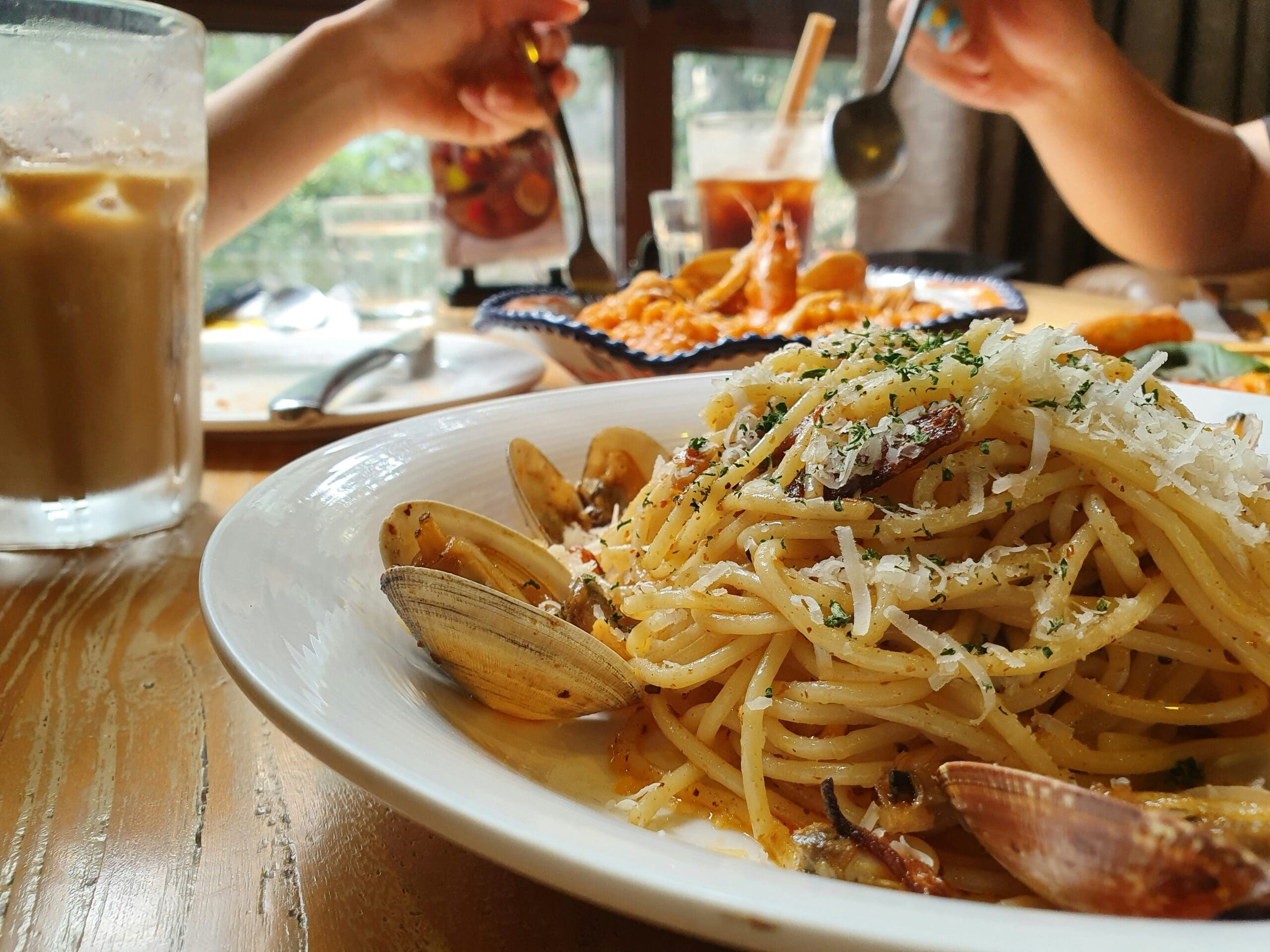
As an American, I thought I had a pretty good idea of what eating in Italy would be like before my first visit. What I quickly learned, however, is that Italian dining culture is very different from what we’re used to at home. From meal times and portion sizes to coffee etiquette and regional specialties, there are plenty of surprises waiting for first-time visitors. The more I traveled through Italy, the more I realized that understanding how Italians eat is just as important as knowing what to eat.
Here is your insider guide to navigating Italy’s food culture like a seasoned local.
1. The Unspoken Coffee Rule


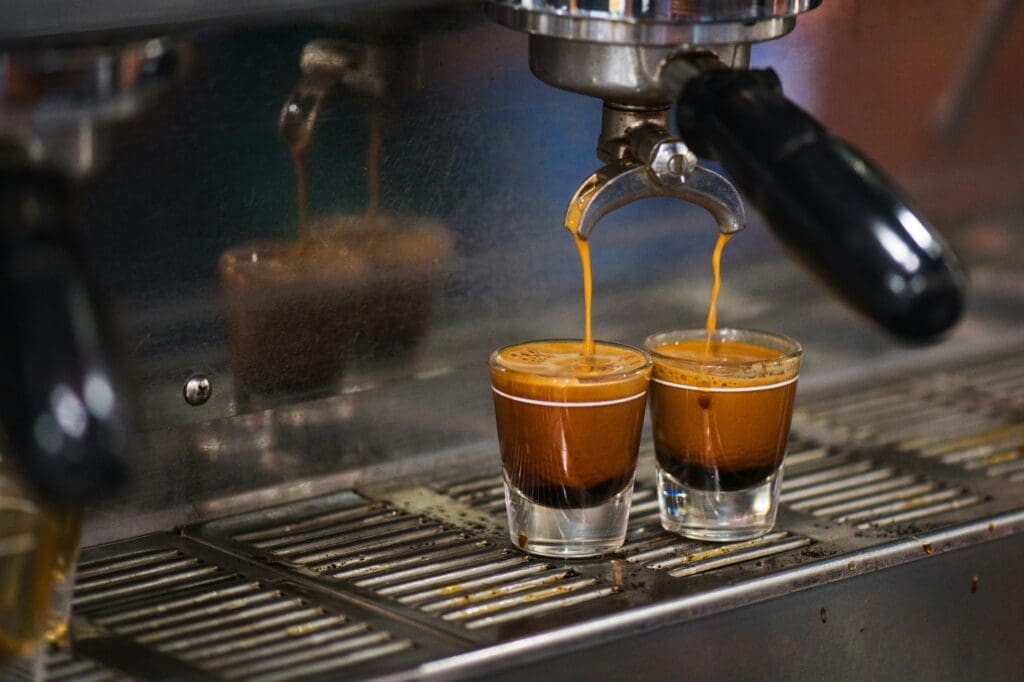
One of the quickest ways to identify yourself as an American in Italy is by ordering a cappuccino after lunch or dinner. While nobody will stop you from doing it, Italians generally view milk-based coffee drinks as a breakfast beverage. After a meal, most locals opt for a quick espresso, often enjoyed standing at the bar rather than lingering at a table. It’s a small cultural difference, but one that reveals just how deeply coffee is woven into everyday Italian life.
2. Dinner Starts Later Than You Think
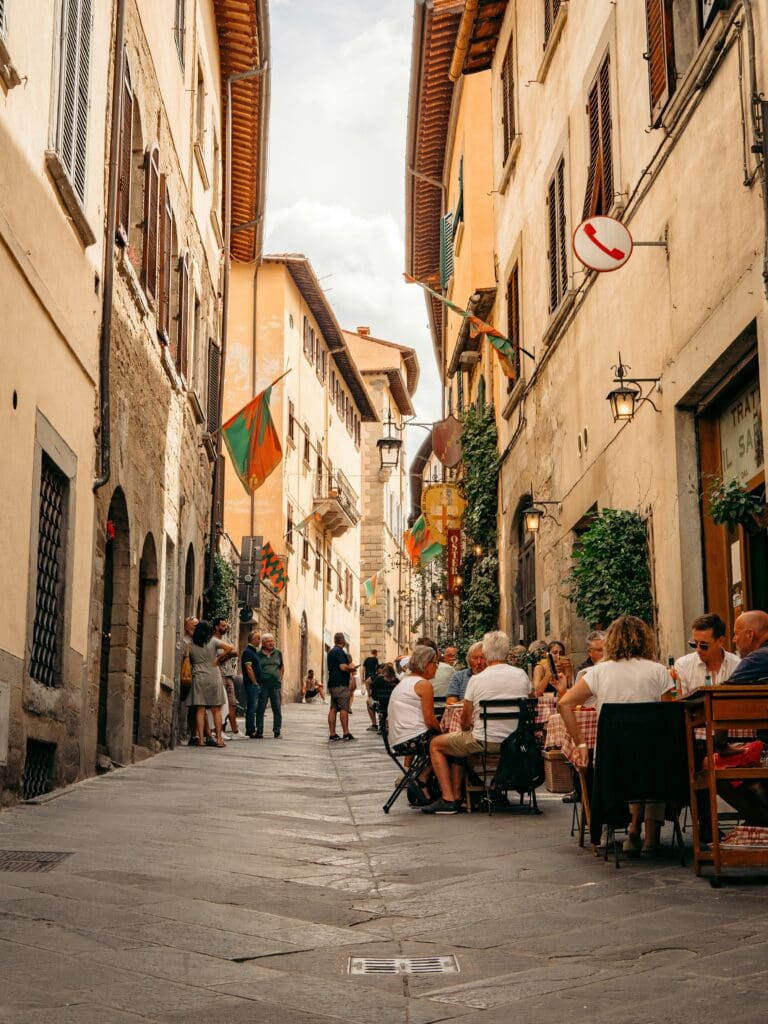
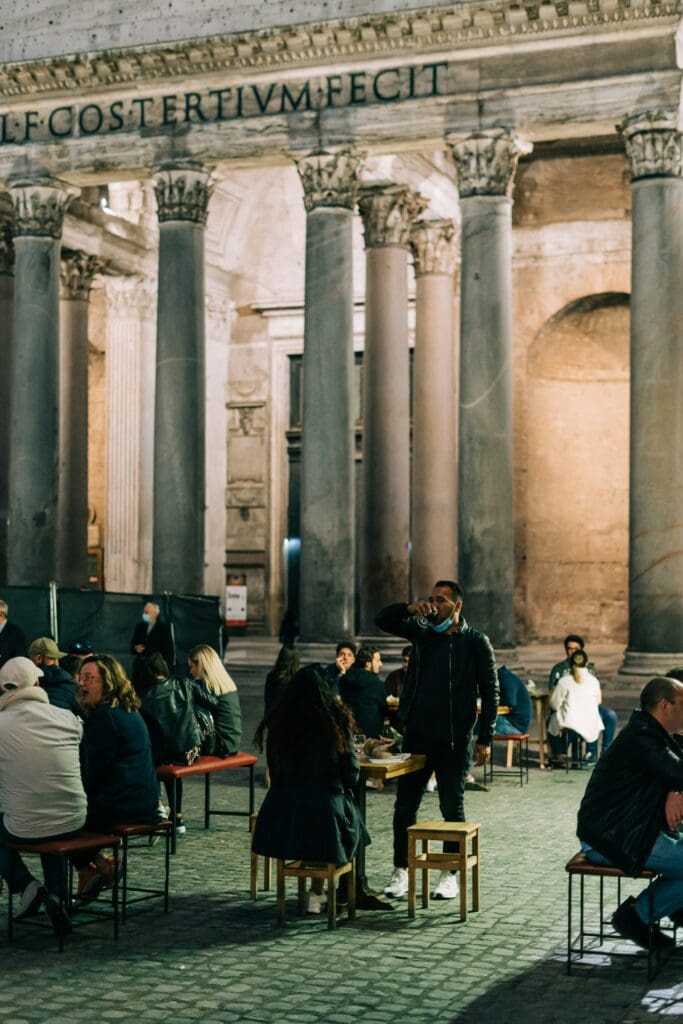
If you’re accustomed to eating dinner at 5:30 or 6:00 PM, Italy may require a bit of an adjustment. Many restaurants don’t open their doors for dinner service until 7:00 PM or later, particularly in smaller towns. The first evening can feel surprisingly quiet as you wander streets searching for an open restaurant. Before long, however, you’ll find yourself embracing the slower pace and joining locals as the evening comes alive after sunset.
3. Why Nobody Is Bringing You the Check

Many American travelers spend their first meal in Italy wondering why the server has seemingly disappeared. The truth is, they haven’t forgotten about you. In Italy, dining is considered an experience, not a transaction. Once your meal is finished, you’re welcome to stay and enjoy your conversation for as long as you’d like. If you’re ready to leave, you’ll need to ask for the bill by saying, “Il conto, per favore.”
4. Understanding “Coperto“
One of the first surprises you’ll encounter on your restaurant bill is a small charge called coperto. This cover charge typically helps offset the cost of table service, bread, linens, and the dining experience itself. While it can catch first-time visitors off guard, it’s a long-standing tradition rather than a hidden fee. Once you understand it, it simply becomes part of dining in Italy.
5. “Fare la Scarpetta“: The Bread Rule Italians Secretly Love
Do not ask for olive oil and balsamic vinegar to dip your bread in before your meal. After finishing a plate of pasta, you may notice a bit of sauce left behind. In Italy, there’s a tradition known as “fare la scarpetta“, which involves using a piece of bread to soak up every last drop. While once considered something reserved for family meals, many Italians still do it today. It’s one of those simple moments that reminds you just how much appreciation exists for good food.
6. Don’t Expect American-Sized Portions
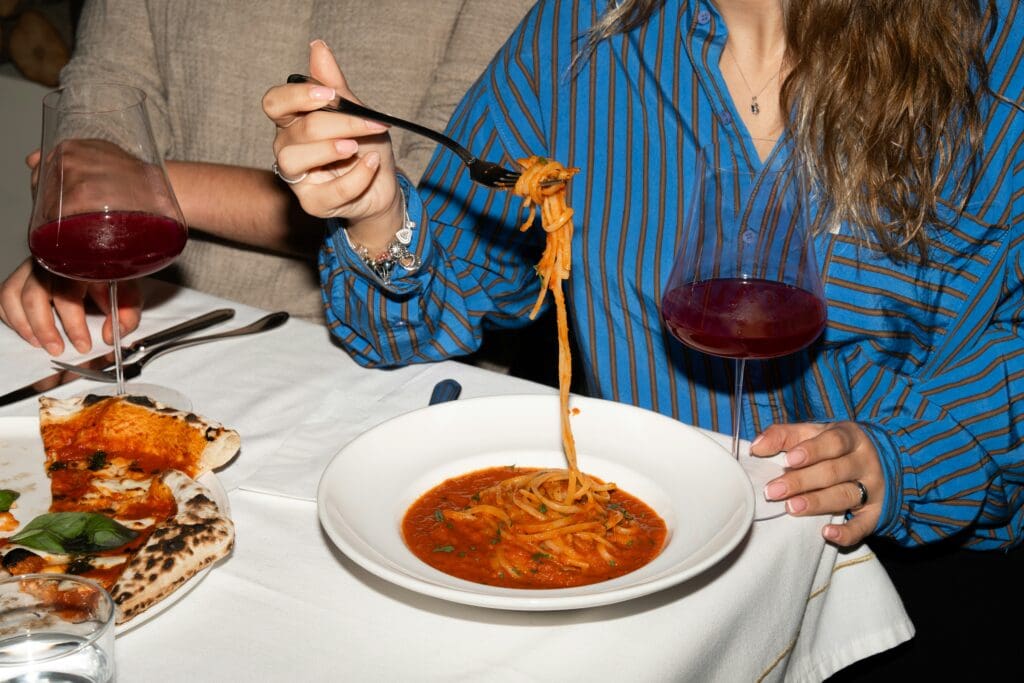
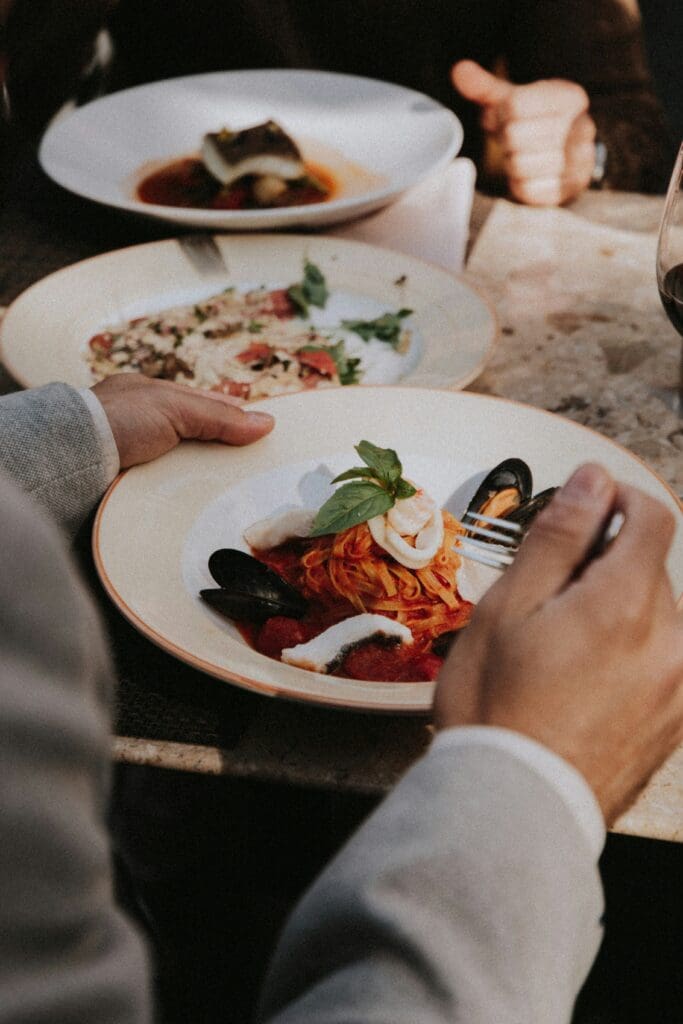
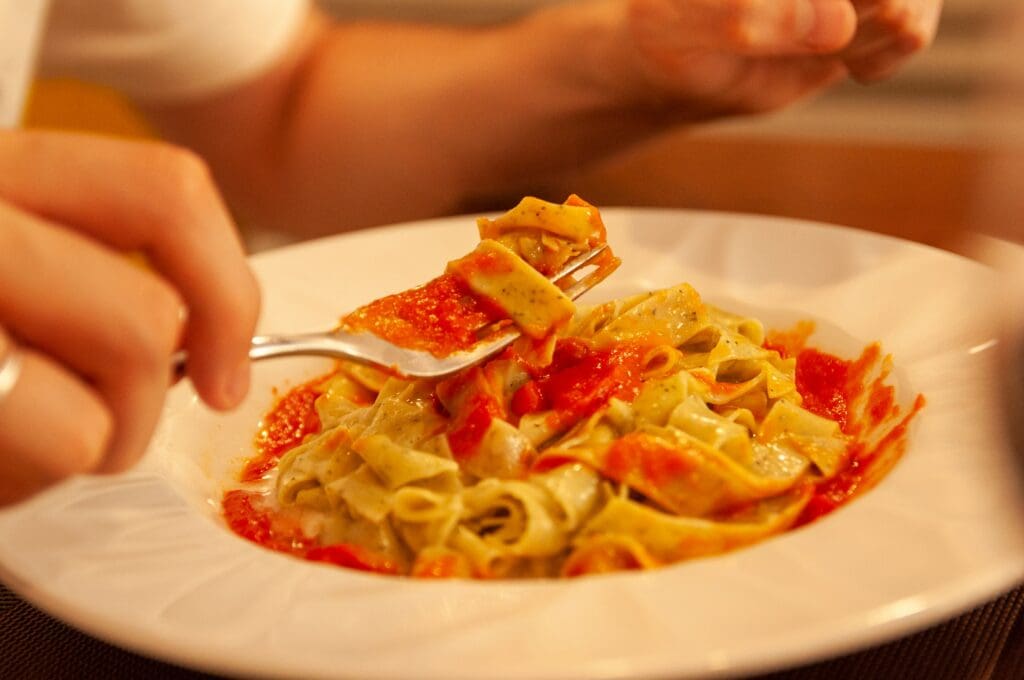
Italian food is rich, satisfying, and memorable, but it often arrives in portions much smaller than what many Americans are accustomed to. That’s because meals were never intended to revolve around a single oversized plate. Traditionally, dining is built around multiple courses, each designed to be enjoyed at a leisurely pace. By the end of the meal, you’ll likely find yourself pleasantly full without the need for a takeout container.
7. Not Every Italian Dish Exists in Italy
Many travelers are surprised to discover that some of the foods they associate most strongly with Italy are difficult to find once they arrive. Dishes such as chicken parmesan, spaghetti and meatballs, and the creamy Alfredo sauce common in the United States are largely Italian-American creations. Instead, you’ll find menus shaped by local ingredients, regional traditions, and recipes passed down through generations.
8. Regional Specialties and Seasonal Menus
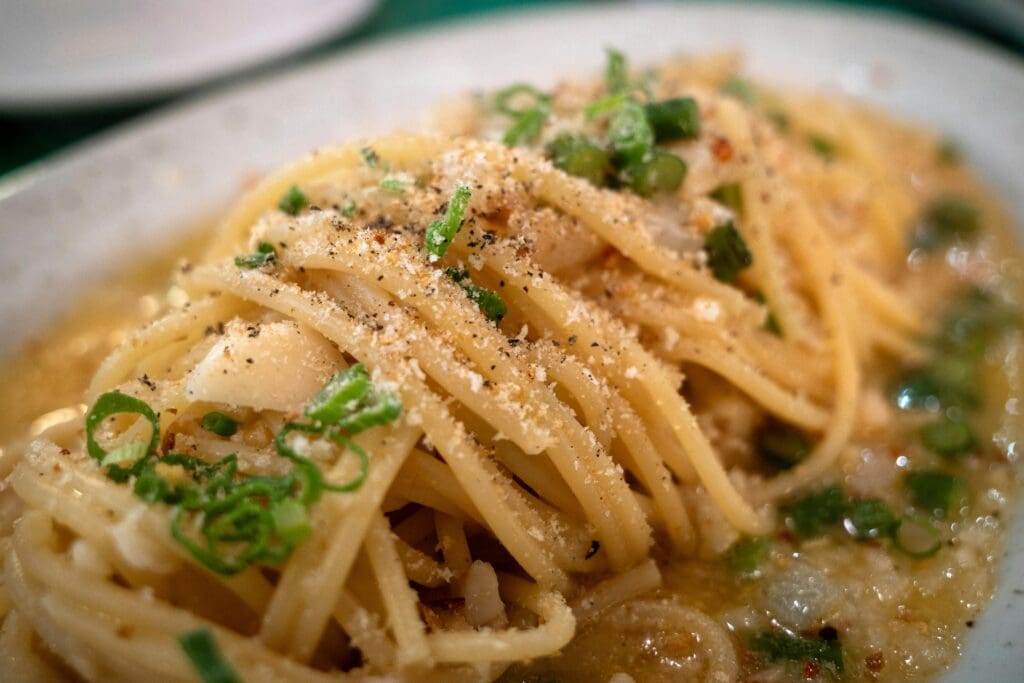
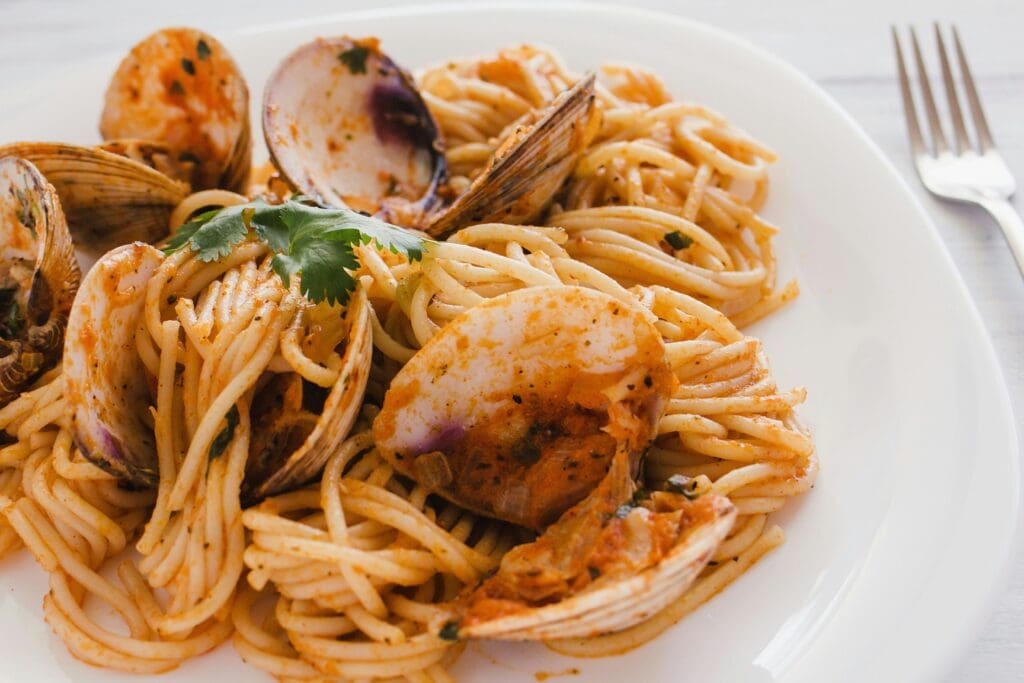
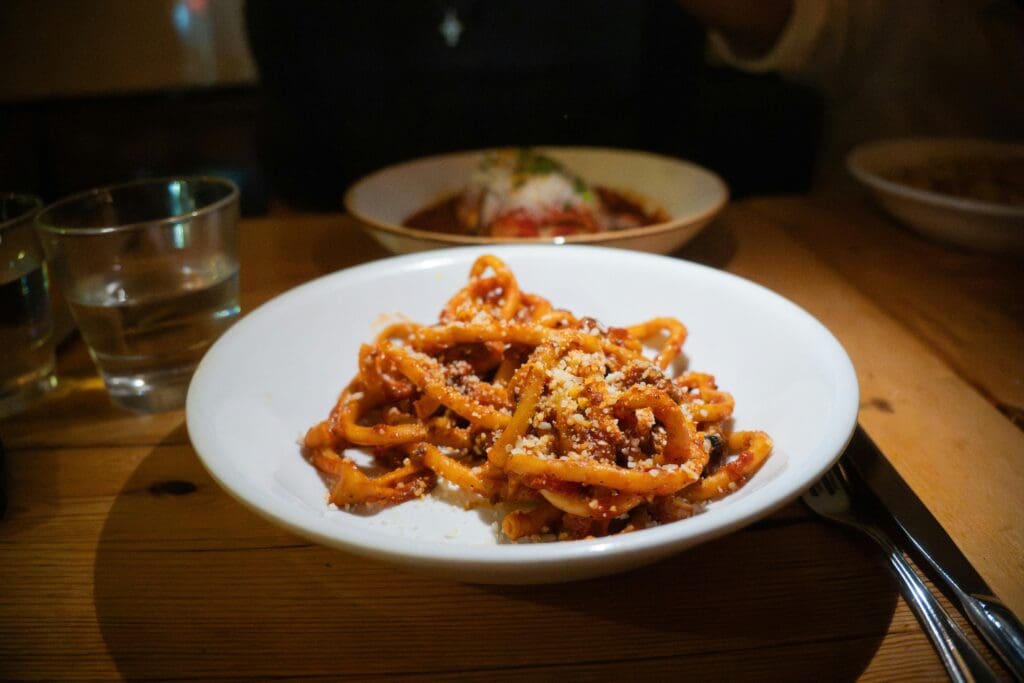
One of the greatest mistakes visitors make is ordering the same foods throughout their trip. Italy’s cuisine changes dramatically from one region to the next. In Rome, you might find yourself enjoying Cacio e Pepe, Carbonara, Amatrice, and Gricia. In Bologna, rich ragù takes center stage. Amalfi Coast & South is your destination for ultra-fresh seafood and handmade limoncello. Try Scialatielli ai Frutti di Mare (thick pasta tossed with fresh clams, mussels, and prawns) right by the water. Following regional specialties often leads to the most memorable meals.
One reason food tastes so different in Italy is the country’s commitment to seasonal ingredients. Menus often change throughout the year to reflect what is fresh and available locally. Tomatoes taste best in summer, truffles appear in specific seasons, and many dishes simply disappear until the ingredients return. Rather than expecting the same menu year-round, Italians celebrate what’s available at that particular moment.
9. How to Spot Fake Gelato
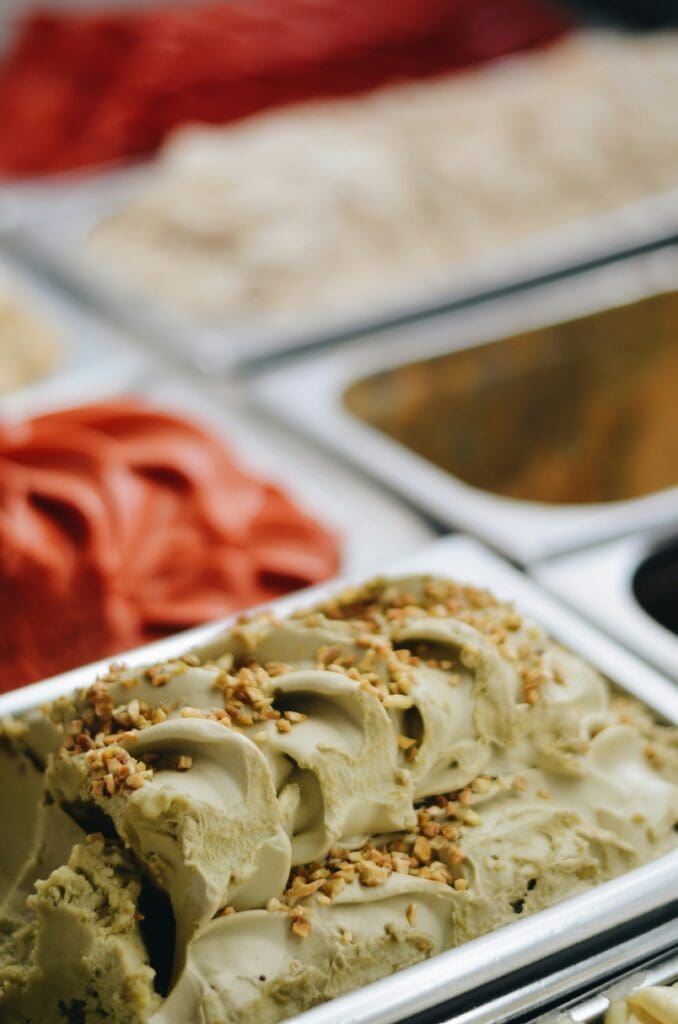
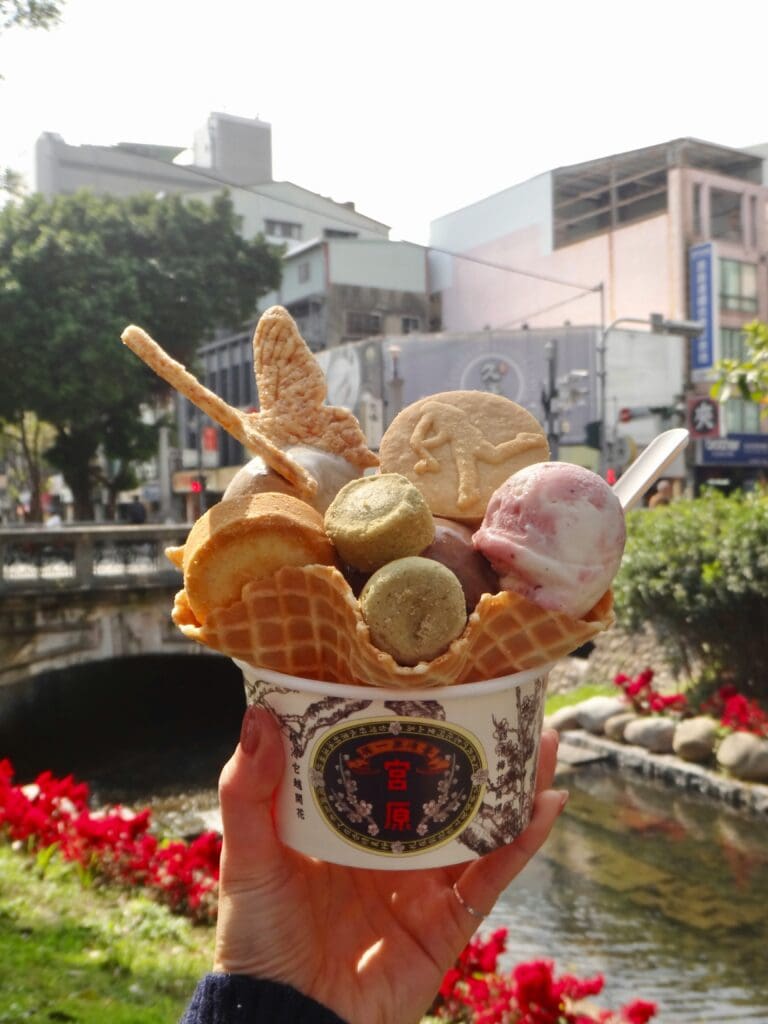
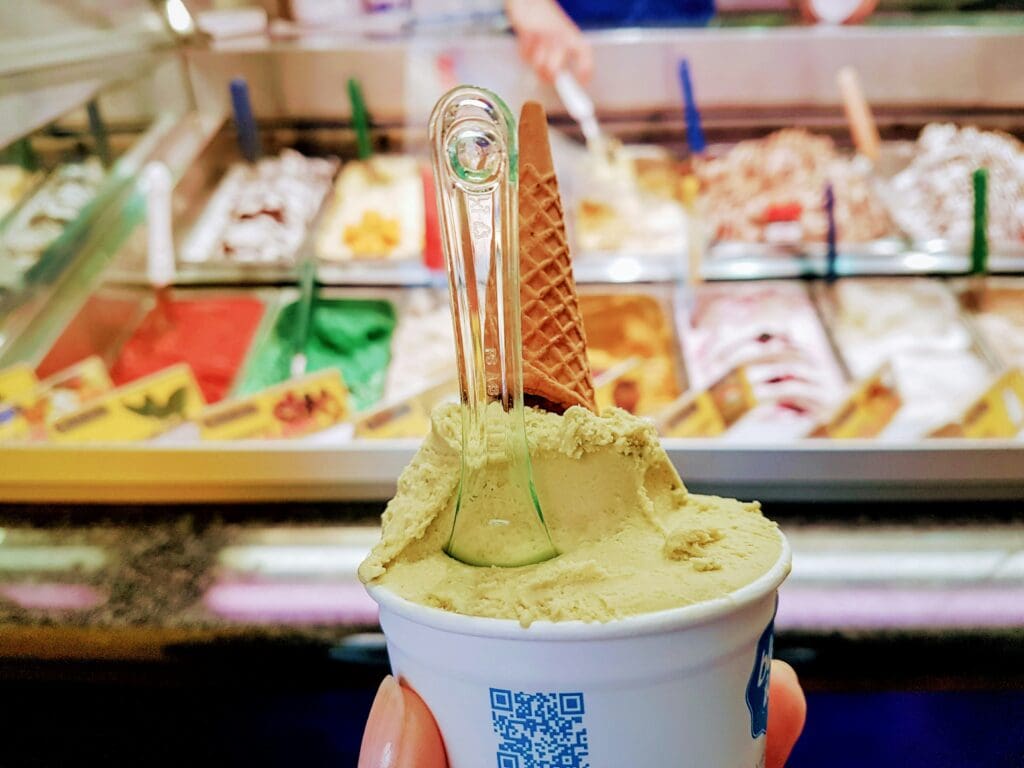
Not all gelato is created equal. The towering mountains of brightly colored gelato often displayed in tourist areas may look impressive, but they’re rarely a sign of quality. Authentic gelato tends to have softer, more natural colors and is often stored in covered metal containers. Pistachio should not glow green, and banana should not be bright yellow. The less dramatic the display, the better the gelato often tastes.
Look at the Containers: Authentic gelato is kept in flat, metal tins—often with lids on top to keep the temperature perfect. If the gelato is piled high in massive, fluffy mountains like soft-serve ice cream, it contains chemical emulsifiers to keep its shape. Walk away!
10. Water Isn’t Automatically Served
You won’t typically be brought a glass of ice water the moment you sit down. Instead, you’ll usually be asked whether you’d like still water (acqua naturale) or sparkling water (acqua frizzante), both of which are bottled and charged.
Speaking of water, Americans are often shocked by how little ice is used. Even soft drinks may arrive with only one or two cubes—or none at all.
11. Think Twice Before Eating Next to Major Attractions
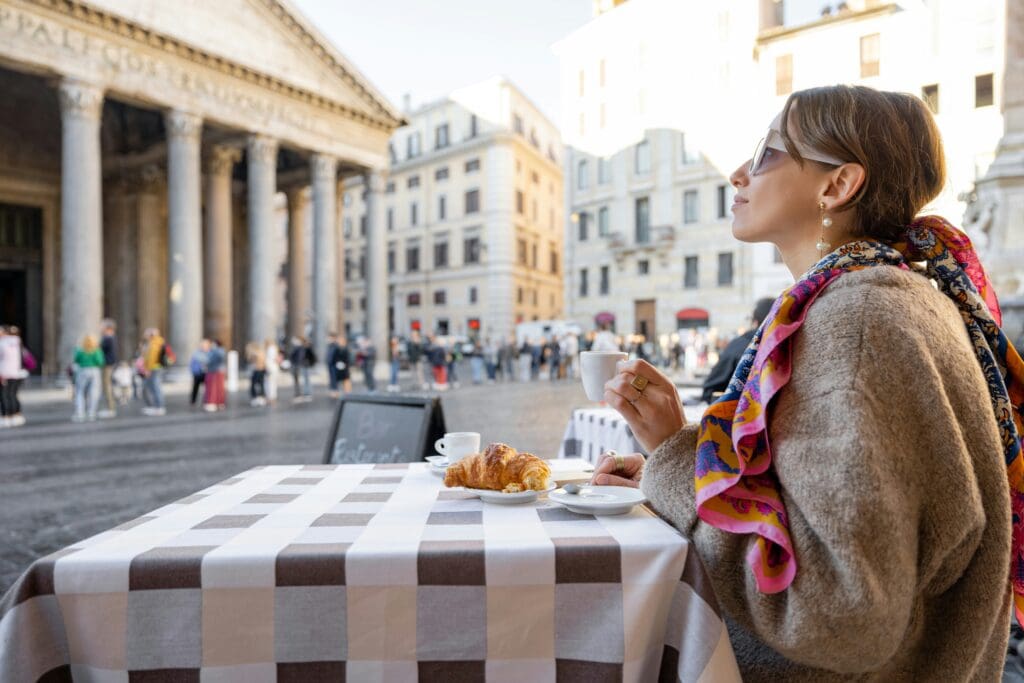
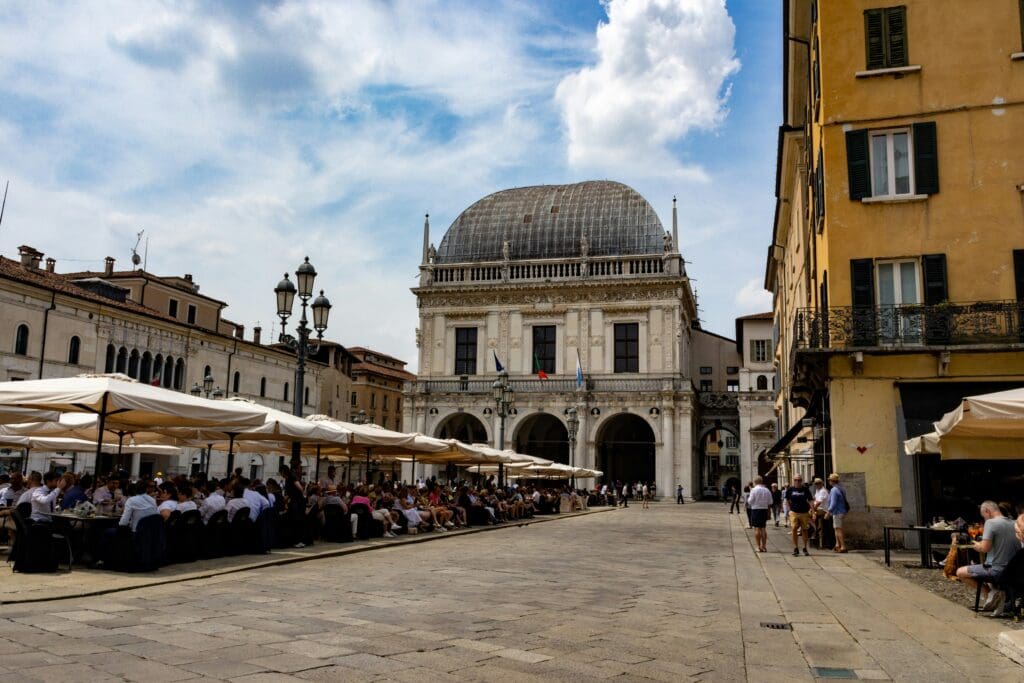
After a long morning of sightseeing, it’s tempting to sit down at the first restaurant you see with a view of a famous landmark. While there are certainly exceptions, some of the most disappointing and overpriced meals in Italy are found directly beside major attractions. Restaurants near popular sites often rely on a constant flow of tourists rather than repeat local customers.
One of the best dining habits you can develop in Italy is simply walking a few blocks away from the crowds. Often, within ten minutes, you’ll find smaller trattorias, neighborhood cafés, and family-run restaurants serving fresher food at more reasonable prices. The difference can be remarkable. Some of my favorite meals in Italy weren’t found in the shadow of famous monuments, but on quiet side streets where the only language I heard around me was Italian.
When in doubt, follow the locals rather than the crowds. Italy rewards travelers who are willing to wander a little further in search of their next meal.
Final Thoughts
The reality of eating in Italy isn’t about memorizing rules or avoiding mistakes. It’s about understanding a culture that values quality, tradition, and time spent around the table. Once you embrace those differences, every meal becomes more than just something to eat—it becomes part of the travel experience itself.
What surprised you most about eating in Italy?
Share your experience in the comments below. And if you’re planning your own Italian adventure, I’d love to help you discover the local restaurants, markets, and authentic food experiences that make Italy so unforgettable. 🇮🇹🍝


Be the first to comment