
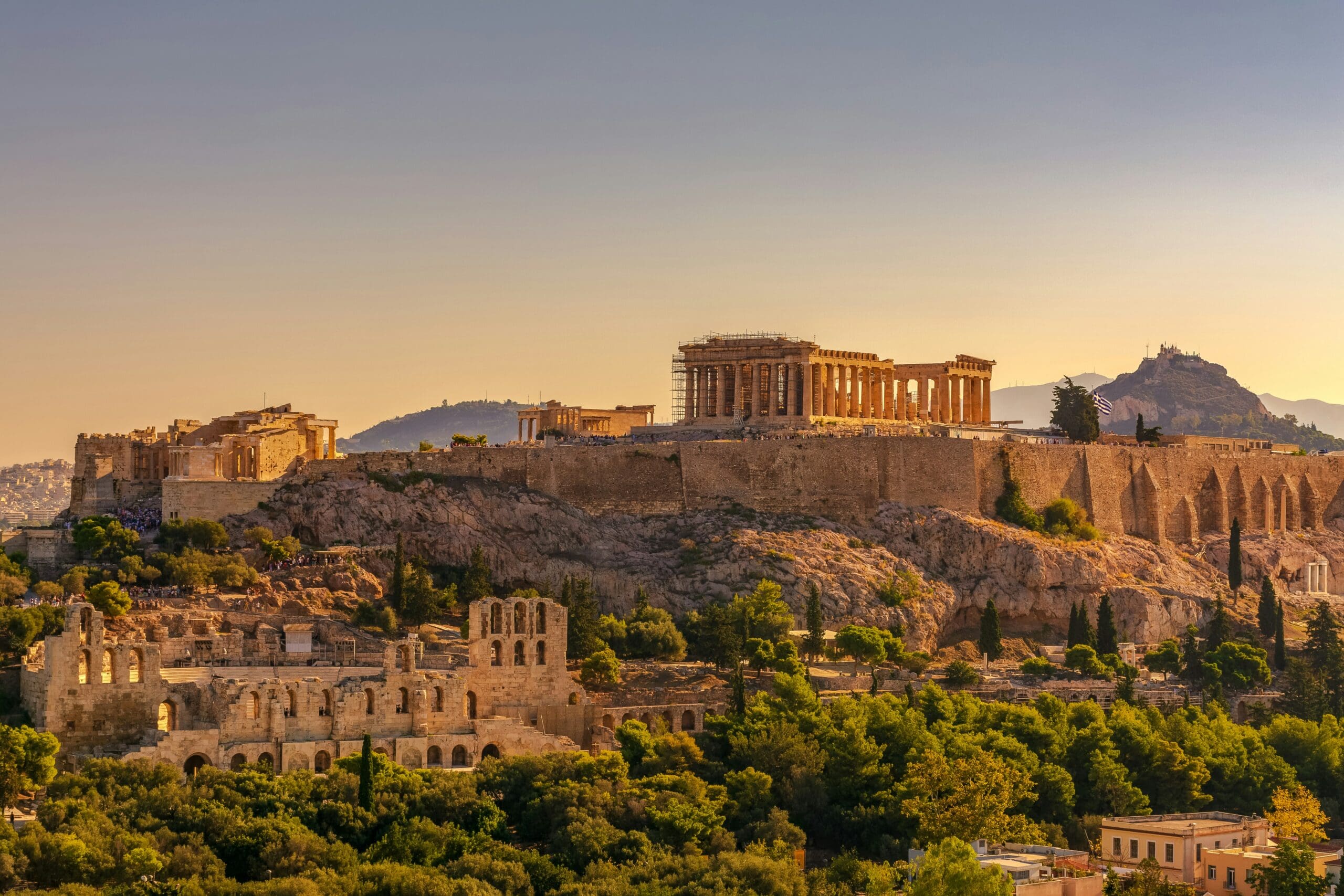
Greece is one of those destinations that feels both timeless and deeply emotional. Travelers often arrive expecting beautiful islands and whitewashed villages, but leave remembering slow seaside dinners, late sunsets, mountain monasteries, ancient ruins, and the feeling of living outdoors from morning until night.
What makes Greece so rewarding is the contrast between experiences. One trip may revolve around island hopping across the Aegean, while another focuses on history and culture in Athens, road trips through the mainland, or quiet villages where life still moves at a slower pace.
While famous destinations like Santorini and Mykonos attract global attention, Greece offers far more than postcard scenery. Beyond the iconic islands are dramatic coastlines, mountain regions, archaeological sites, traditional fishing villages, incredible food, and a hospitality culture that feels warm and personal.
Whether you are looking for romantic escapes, cultural journeys, beach time, food experiences, sailing adventures, or slower Mediterranean travel, Greece offers an atmosphere that is difficult to replicate anywhere else in Europe.
Regions of Greece
Athens & Mainland Greece
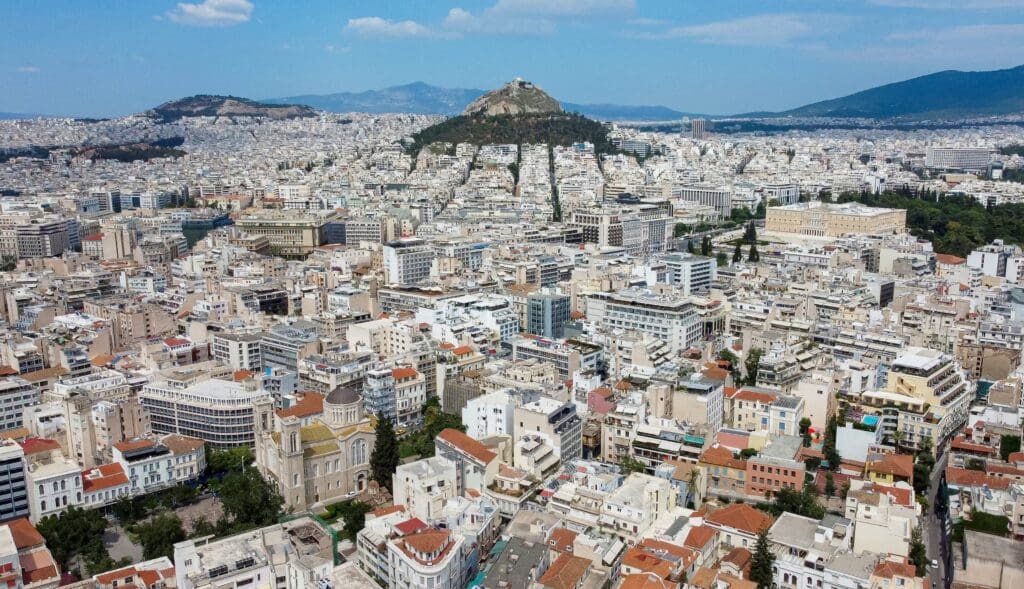

Most journeys begin in Athens, where ancient history and modern city life exist side by side. The Acropolis, lively neighborhoods, rooftop restaurants, and local markets create a vibrant introduction to the country.
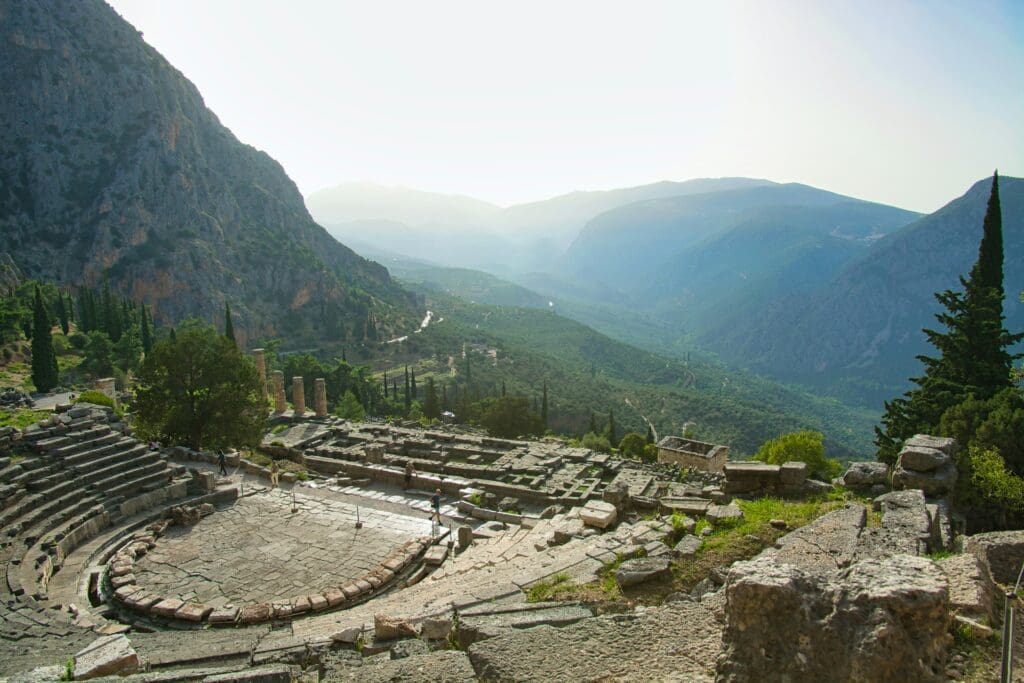
Mainland Greece also includes destinations such as Meteora, Nafplio, Delphi, and the Peloponnese, offering a mix of archaeological sites, coastal towns, and scenic drives.
Cyclades Islands
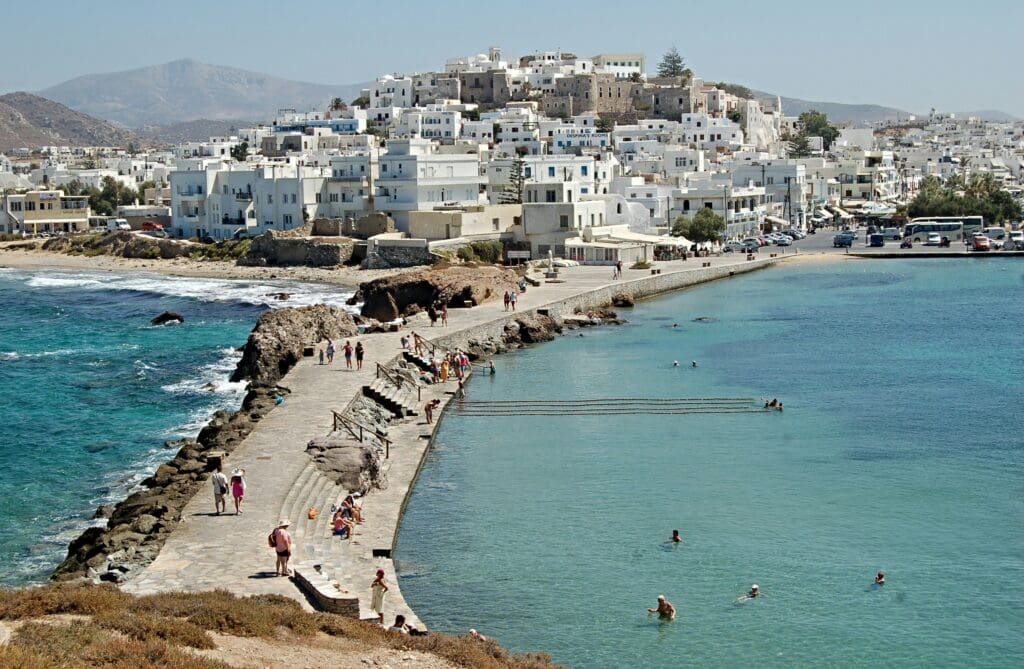
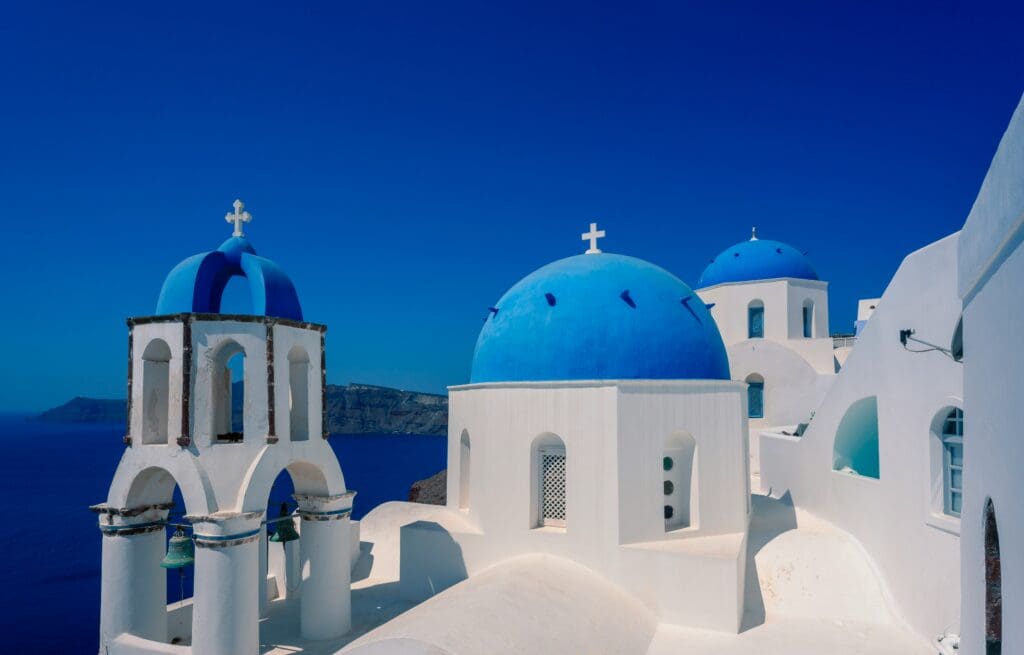
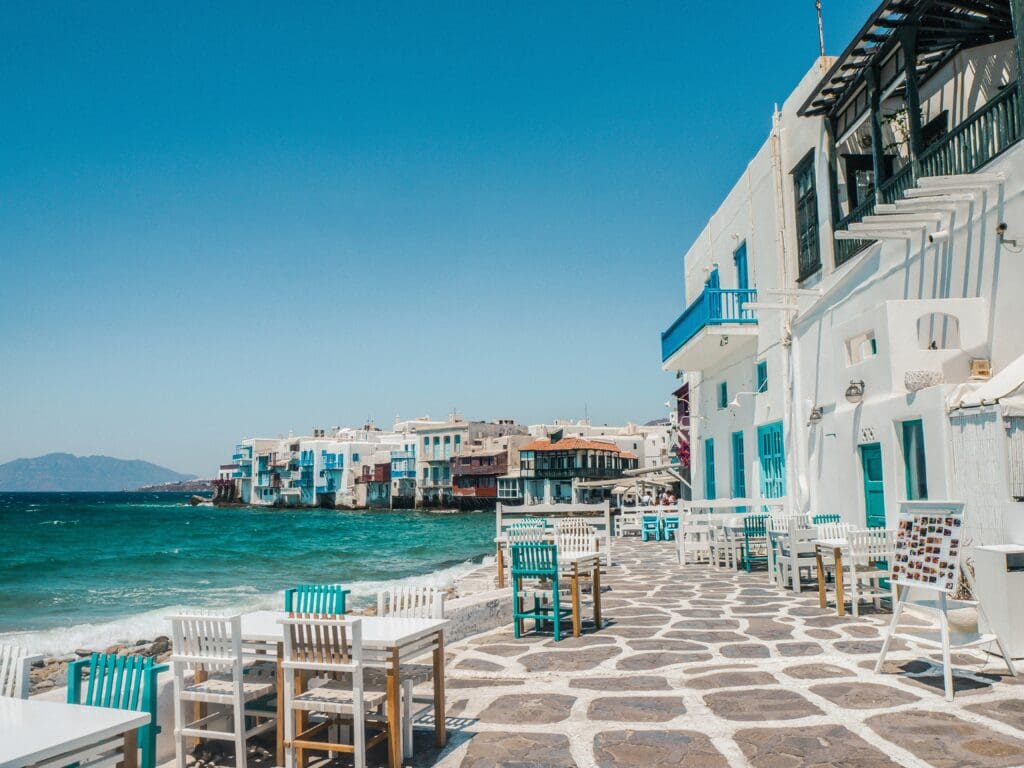
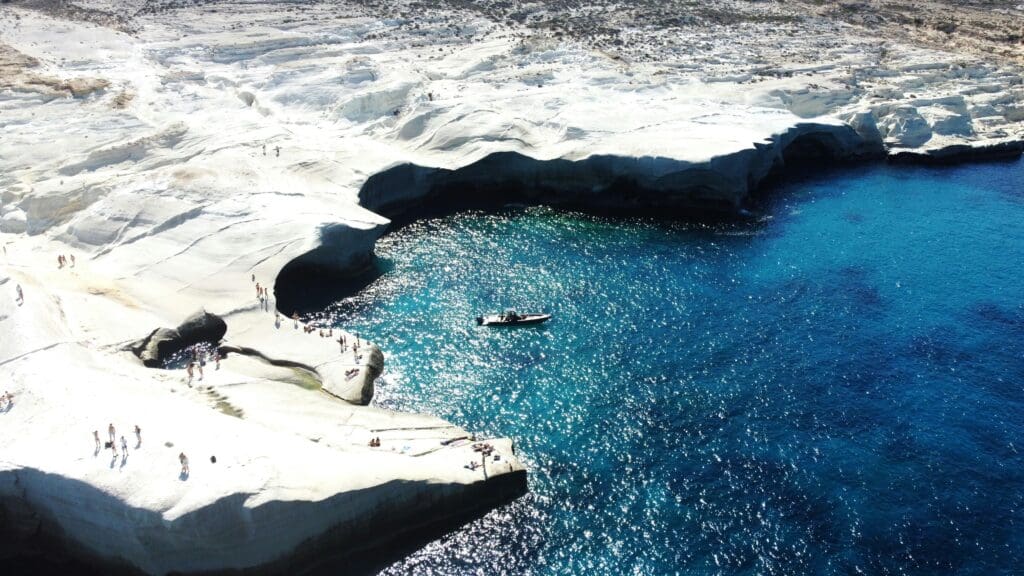
The Cyclades are the postcard image of Greece — whitewashed villages, blue-domed churches, narrow alleyways, and dramatic sea views.
Santorini is known for caldera sunsets and luxury stays, while Mykonos offers nightlife and beaches. Islands such as Naxos, Paros, and Milos provide a slower and often more authentic atmosphere.
Crete
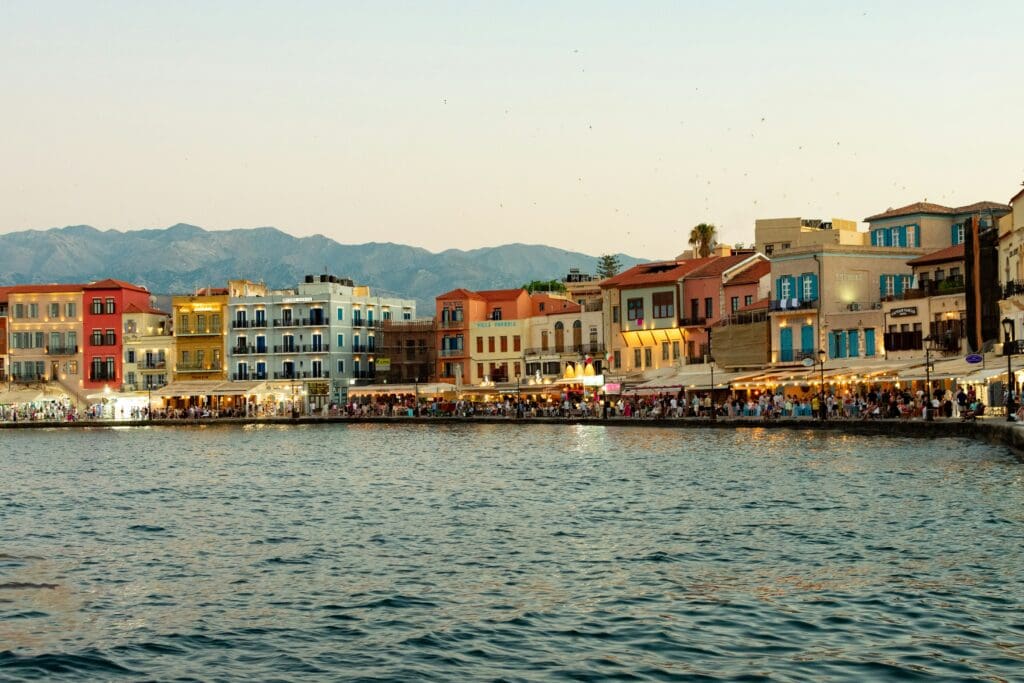
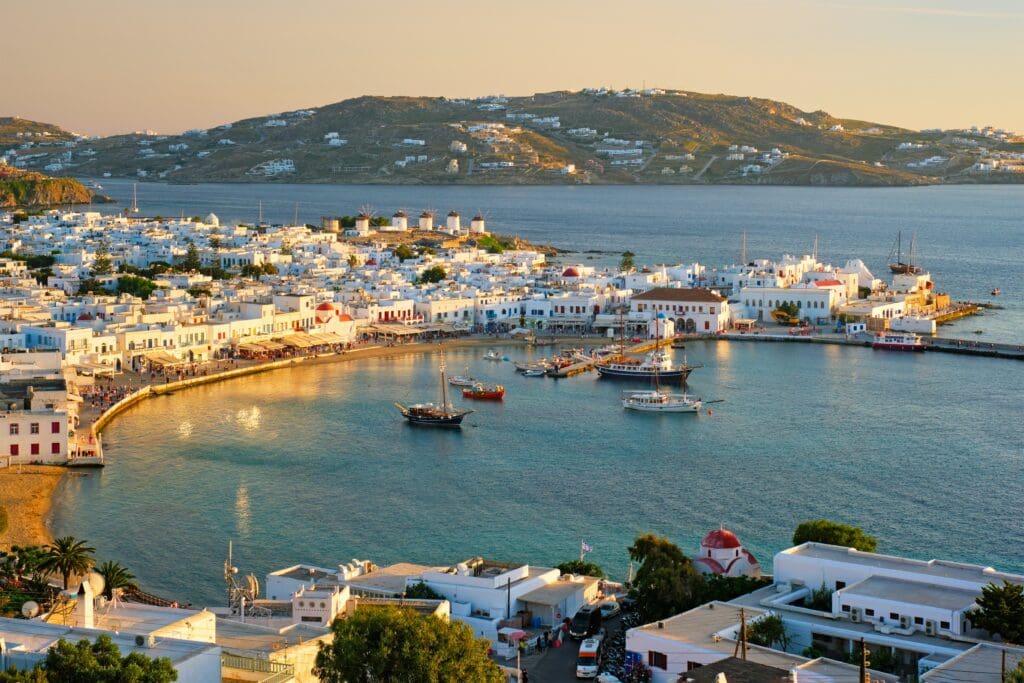
Crete feels almost like its own country. It combines beaches, mountain villages, ancient ruins, hiking, and some of the best food in Greece.
This island works especially well for travelers wanting variety without constantly changing hotels.
Ionian Islands
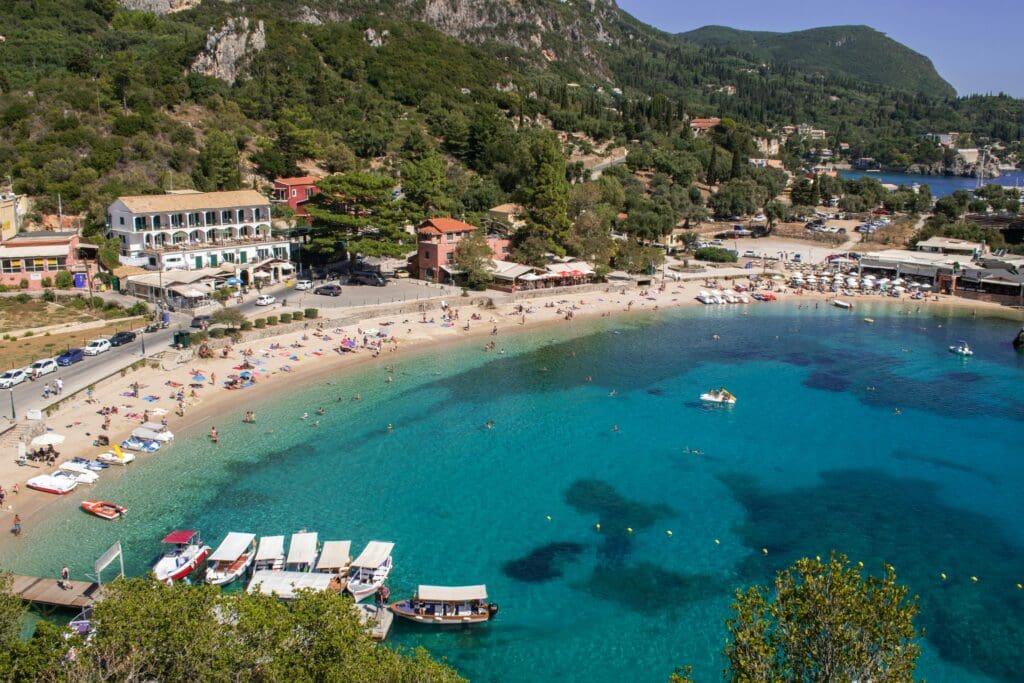
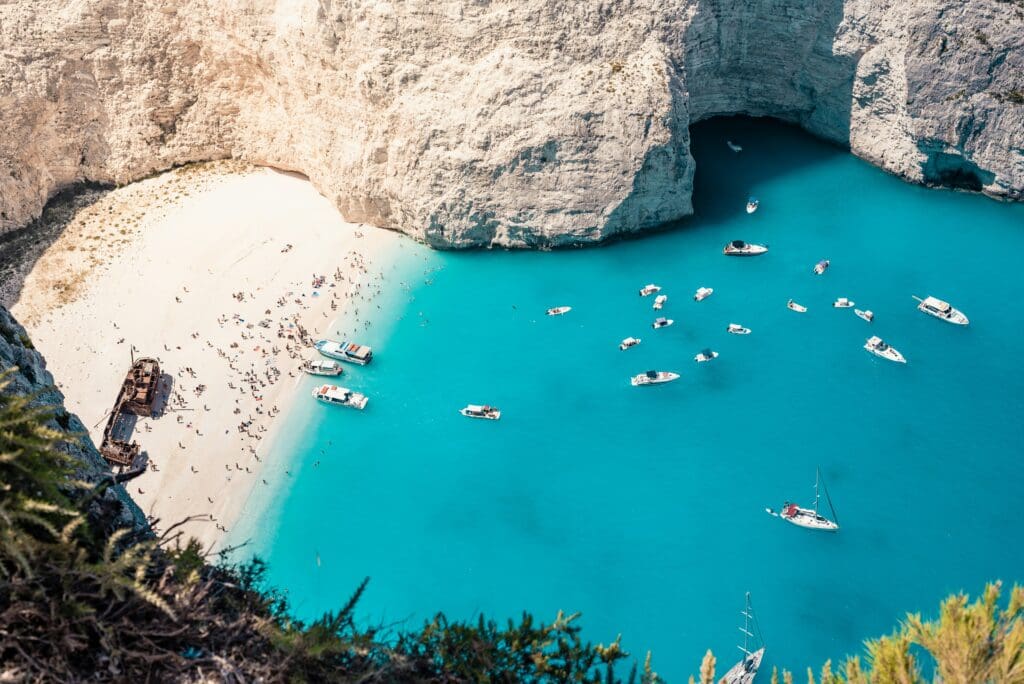
Located on Greece’s western side, the Ionian Islands are greener and more lush than the Cyclades. Corfu, Kefalonia, and Zakynthos are known for dramatic coastlines, turquoise water, Venetian influence, and relaxed pacing.
Northern Greece
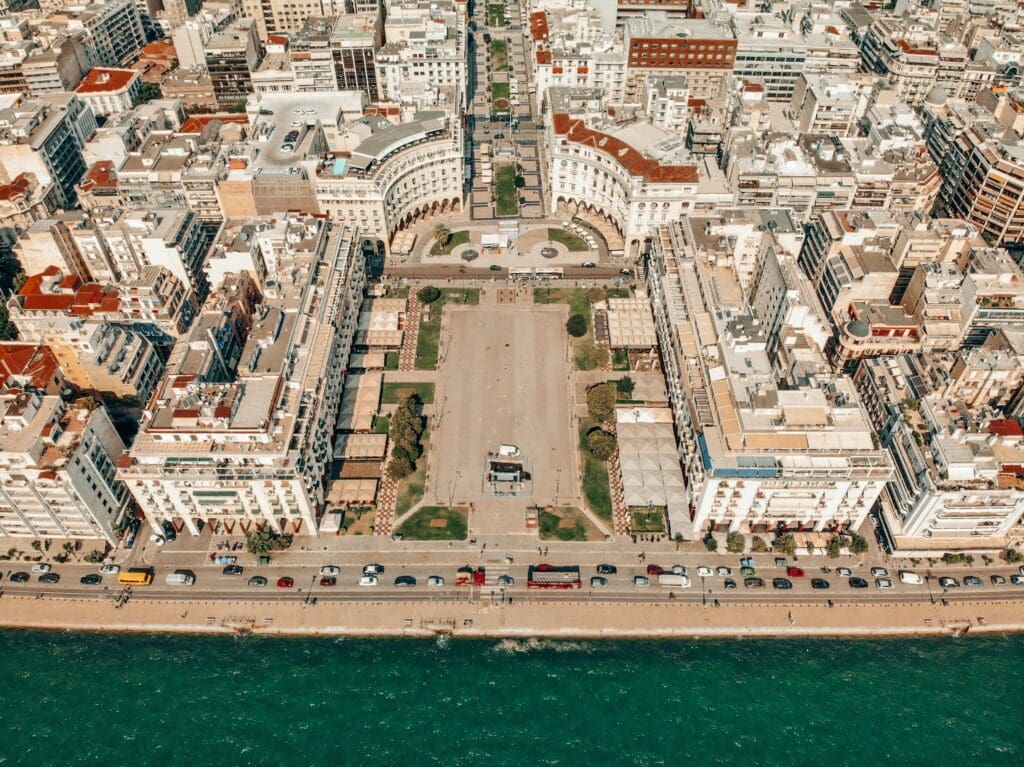
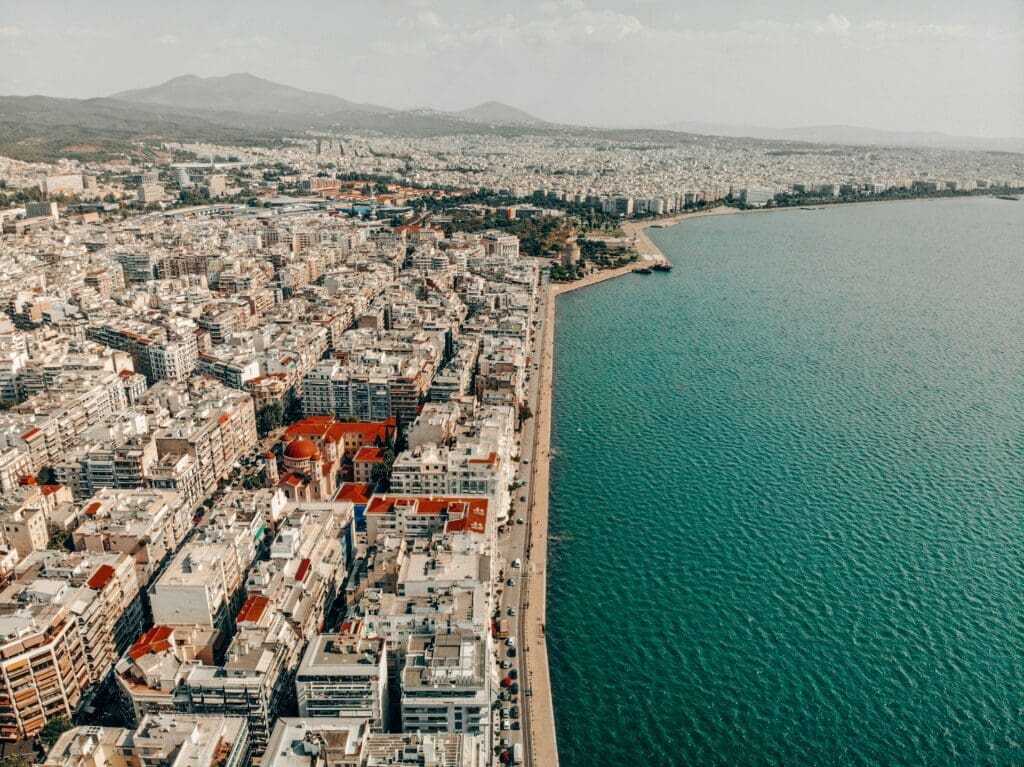
Northern Greece is less visited internationally but offers incredible landscapes, food culture, and historic cities such as Thessaloniki. The region is ideal for travelers looking to experience a more local and less tourist-driven side of the country.
Best Time to Visit
Greece is highly seasonal, and the experience changes dramatically depending on the time of year.
Late spring and early fall are often considered the best overall times to visit. Temperatures are warm, ferry schedules are active, and the islands feel lively without the overwhelming summer crowds.
Summer brings beach weather, nightlife, long days, and the classic Greek island atmosphere. However, July and August are also the busiest and hottest months, especially in Santorini and Mykonos.
Spring is beautiful for mainland travel, archaeological sites, and wildflowers across the countryside and islands.
Fall offers warm sea temperatures, vineyard harvests, and a calmer atmosphere ideal for slower-paced travel.
Winter is quieter and better suited for Athens and mainland exploration, as some smaller islands reduce ferry schedules and seasonal tourism services.
Getting Around
Transportation in Greece depends heavily on the type of itinerary you are planning.
Ferries are a major part of island travel and connect many destinations throughout the Aegean and Ionian Seas. While ferry travel can be scenic and enjoyable, schedules are important to plan carefully, especially when combining multiple islands.
Domestic flights are often the fastest option for longer distances or when trying to maximize time.
Renting a car is highly recommended on many islands and mainland regions, especially in Crete, the Peloponnese, and smaller villages where public transportation is limited.
Athens itself is very walkable in central areas and also has an efficient metro system connecting key neighborhoods and the airport.
Food in Greece
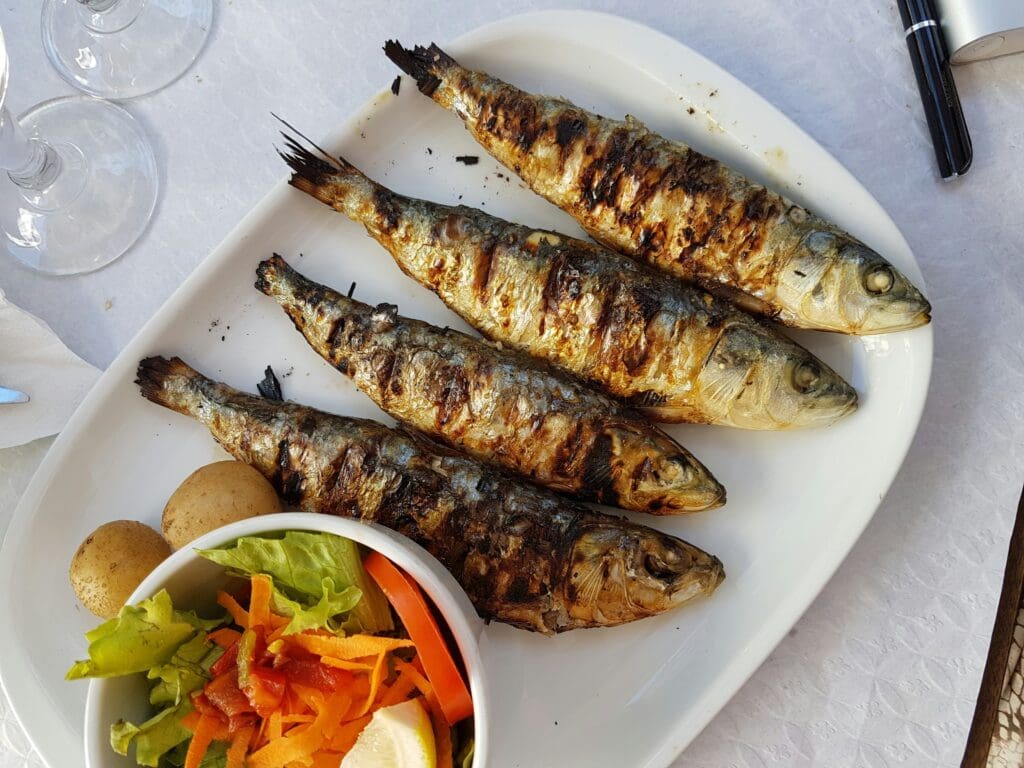

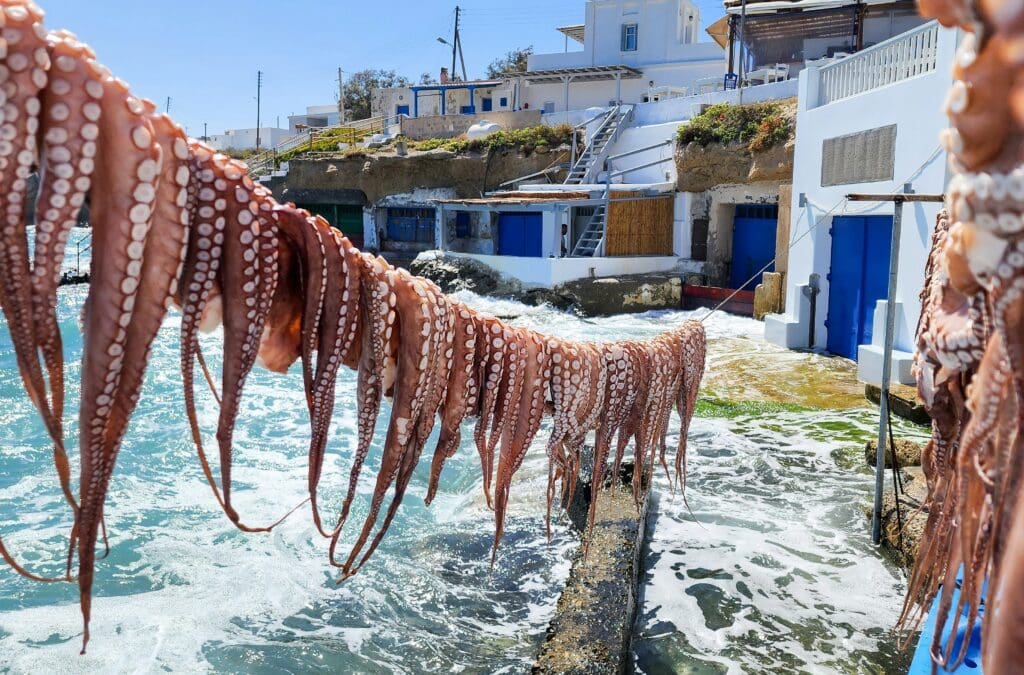
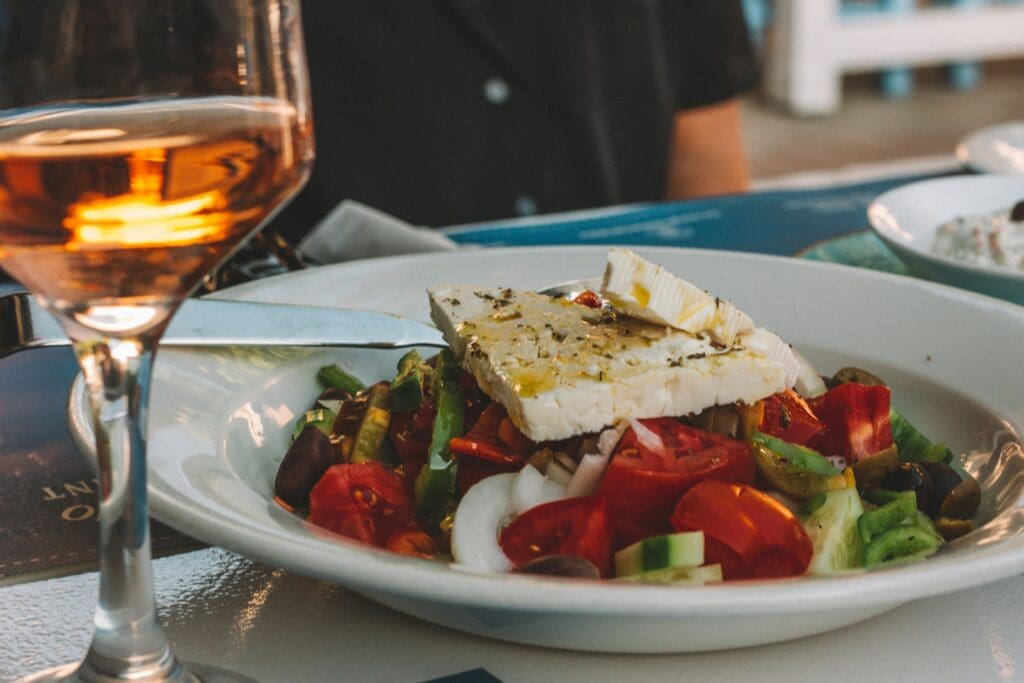
Greek cuisine is deeply tied to regional ingredients, family traditions, and long shared meals.
Fresh seafood, olive oil, grilled meats, local cheeses, vegetables, herbs, and bread form the foundation of many meals. Dining in Greece often feels less rushed than in other destinations, with dinners stretching late into the evening.
Popular dishes include souvlaki, moussaka, grilled octopus, spanakopita, fresh salads, and local seafood specialties that vary from island to island.
Food experiences are often among the highlights of traveling in Greece, whether that means dining at a seaside taverna, taking a cooking class, visiting local wineries, or enjoying long lunches overlooking the water.
Popular Experiences
Watching the sunset in Santorini is one of Greece’s most iconic experiences, but the country offers countless memorable moments beyond its famous viewpoints.
Exploring the Acropolis in Athens, sailing between islands, visiting monasteries in Meteora, relaxing on beaches in Crete, and wandering quiet village alleys in Naxos or Paros all offer completely different sides of Greece.
Island hopping remains one of the country’s most popular travel styles, though many travelers now prefer choosing fewer islands and spending more time in each destination.
Greece is also ideal for food-focused travel, sailing trips, luxury escapes, archaeological touring, and slower Mediterranean itineraries.
Athens Tours Santorini Tours Mykonos Tours
Meteora Tours Naxos Tours Crete Tours
Delphi Tours Milos Tours Food Tours
FAQ
What currency is used in Greece?
Greece uses the Euro (€).
Is island hopping in Greece worth it?
Yes, but many travelers try to visit too many islands too quickly. Choosing two or three islands often creates a more enjoyable and less rushed experience.
Do I need cash in Greece?
Cards are widely accepted in tourist areas, but carrying some cash is still helpful for smaller tavernas, local shops, taxis, and smaller islands.
Which Greek island is best for first-time visitors?
Santorini is iconic and romantic, while Naxos and Paros often provide a more balanced experience with beaches, villages, and fewer crowds.
Is Santorini too crowded?
Santorini can become extremely busy during peak summer months and cruise ship days. Visiting in late spring or early fall often provides a much better experience.
Do I need a car in Greece?
A car is very useful on many islands and mainland regions, though Athens itself does not require one.
How many islands should I visit in one trip?
Fewer than most people initially plan. Two or three islands is often ideal for a 10–14 day itinerary.
Is Greece expensive?
Greece can range from affordable to luxury depending on the destination and season. Santorini and Mykonos are generally more expensive than many other islands.
What is the best time to visit Greece?
Late May through June and September through early October are often considered the best times for warm weather and fewer crowds.
Is Greece only about the islands?
Not at all. Mainland Greece offers incredible history, mountain scenery, coastal towns, monasteries, and road trip opportunities that many travelers overlook.
In Closing
Greece is the kind of destination that invites travelers to slow down. Whether you are watching ferries cross the Aegean, dining beside the sea long after sunset, exploring ancient ruins, or discovering quieter islands beyond the famous names, the country offers a style of travel that feels immersive and deeply memorable.
From romantic island escapes to cultural mainland journeys and relaxed Mediterranean itineraries, Greece offers experiences that can be tailored to almost any travel style.
If you are ready to start planning your trip to Greece, I can help create a customized itinerary designed around your preferred pace, interests, and the type of experience you want most from your journey.


Be the first to comment