
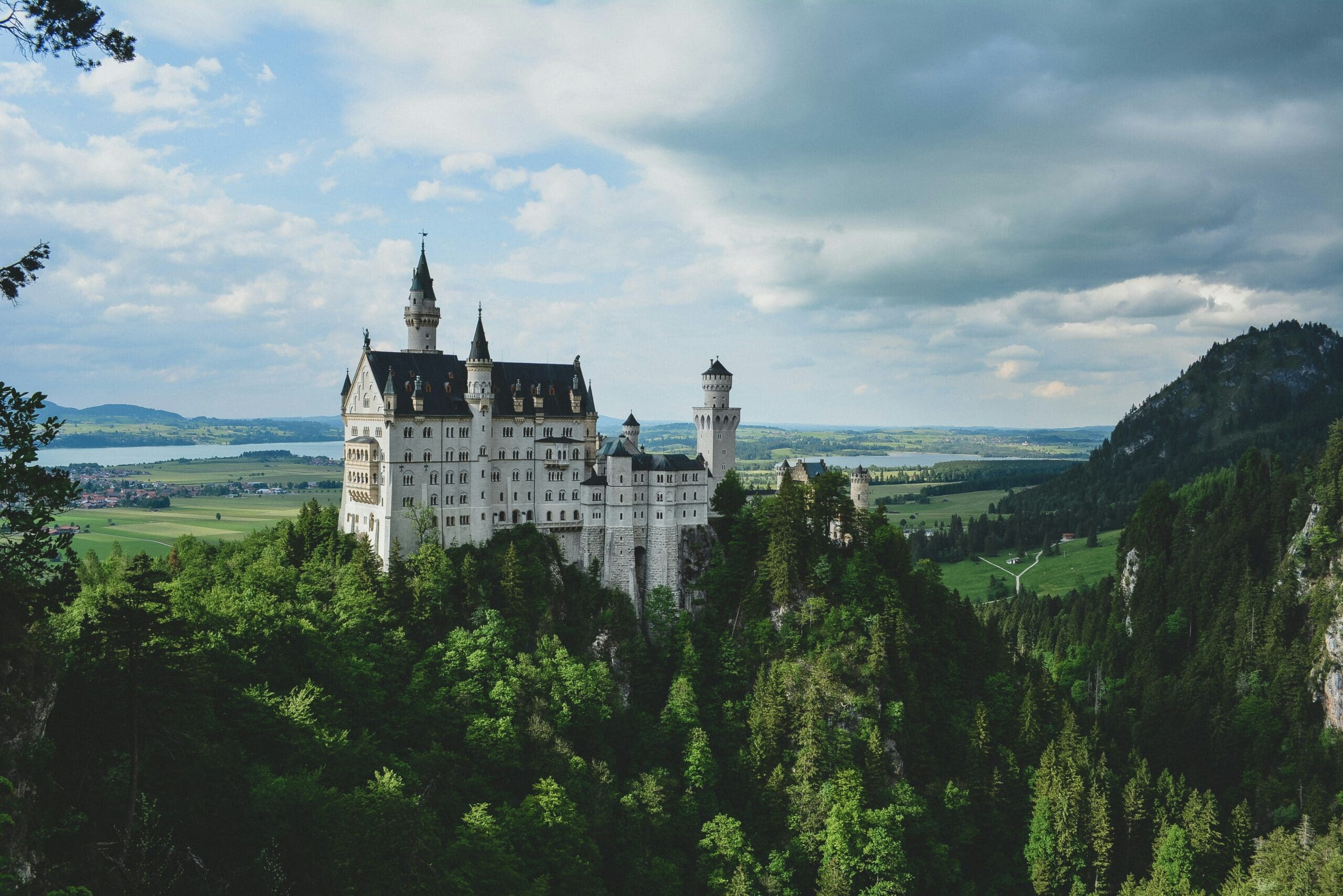
Germany is a destination that often surprises travelers with just how varied it feels from region to region. One journey may revolve around medieval towns, Christmas markets, and fairytale castles, while another focuses on cosmopolitan cities, alpine scenery, wine regions, or historic sites that shaped Europe itself.
Germany balances efficiency with tradition in a way that makes travel feel easy without losing authenticity. Fast trains connect major cities effortlessly, yet many of the country’s most memorable experiences happen in smaller towns where timber-framed houses, market squares, and centuries-old beer halls still define daily life.
Beyond the famous highlights, Germany rewards travelers who slow down enough to experience its regional culture. Bavarian villages feel entirely different from the Rhine Valley, Berlin offers a completely different energy than Munich, and the northern coastline contrasts sharply with the Alpine south.
Whether you are interested in history, castles, scenic rail journeys, food, Christmas markets, river cruising, or countryside road trips, Germany offers an incredible range of experiences within a single country.
Regions of Germany
Bavaria
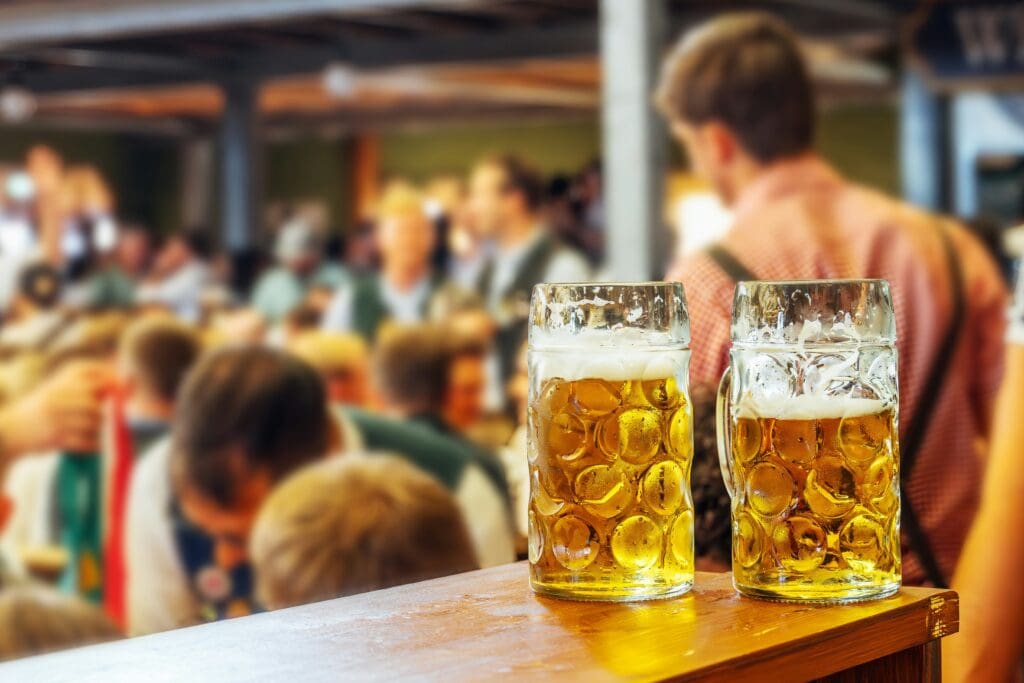
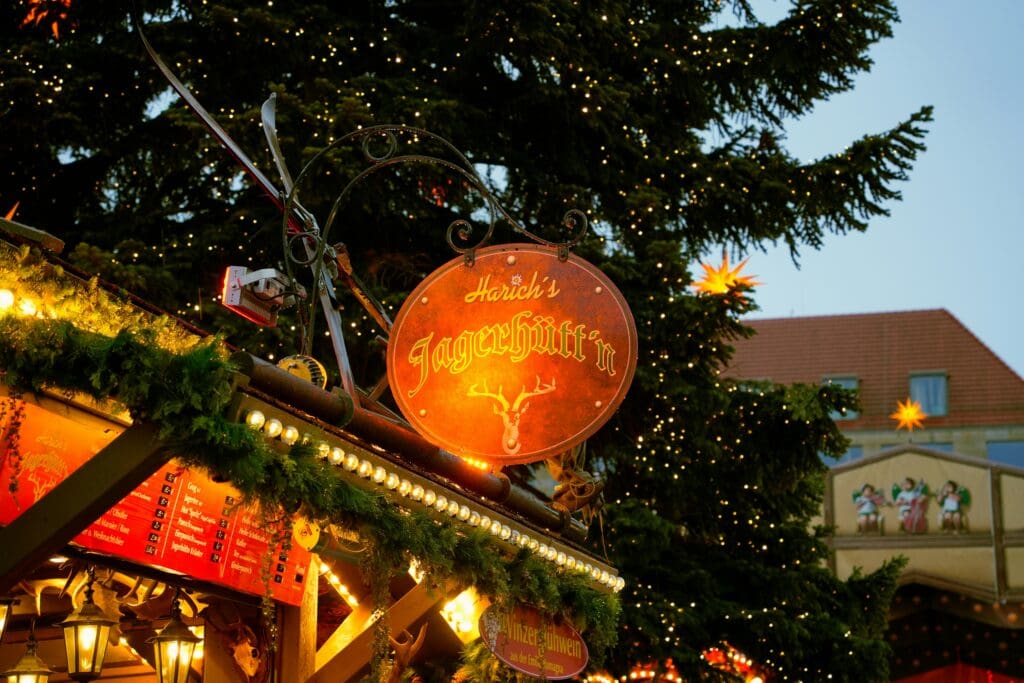
Southern Germany is often what travelers imagine when they picture the country. Bavaria is known for Alpine scenery, fairytale castles, beer gardens, traditional villages, and cities like Munich.
This region is ideal for first-time visitors, Christmas market trips, scenic drives, and travelers wanting a classic German atmosphere.
Berlin & Eastern Germany
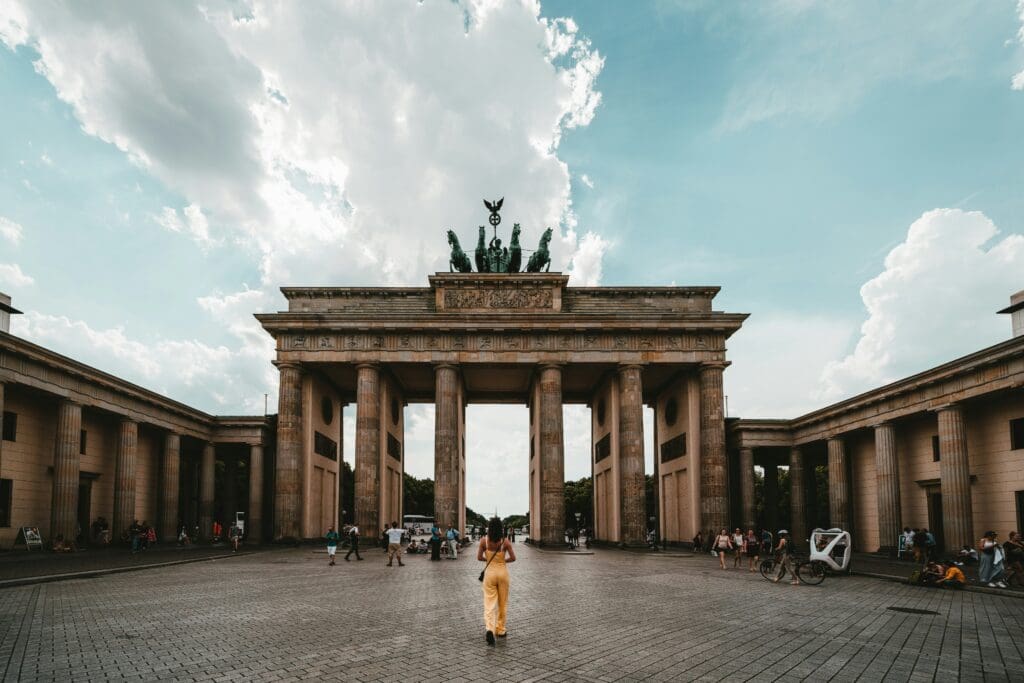
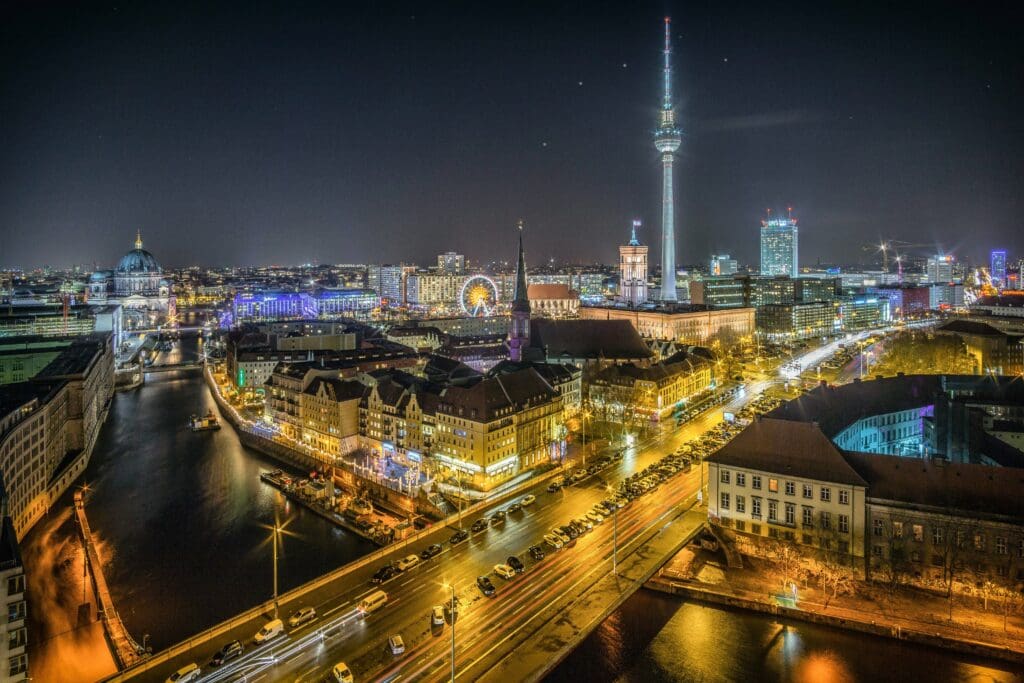
Berlin offers a completely different side of Germany. The city is modern, creative, historic, and constantly evolving, with layers of history visible everywhere from the Berlin Wall to grand museums and contemporary neighborhoods.
Eastern Germany also includes smaller historic cities such as Dresden and Leipzig, both known for architecture, music, and culture.
Rhine Valley & Western Germany
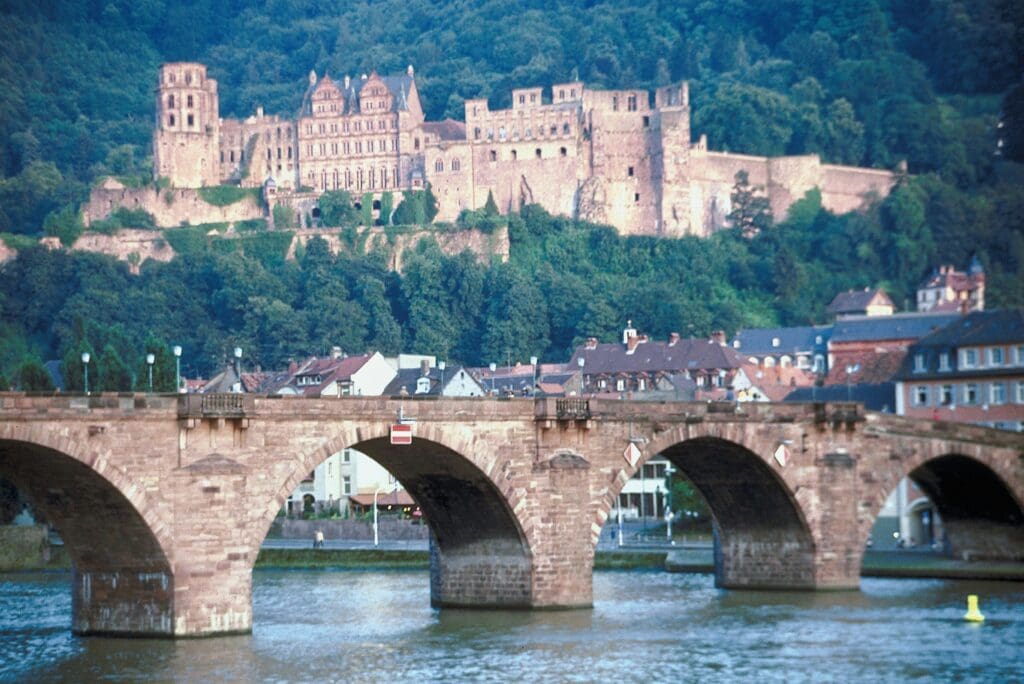
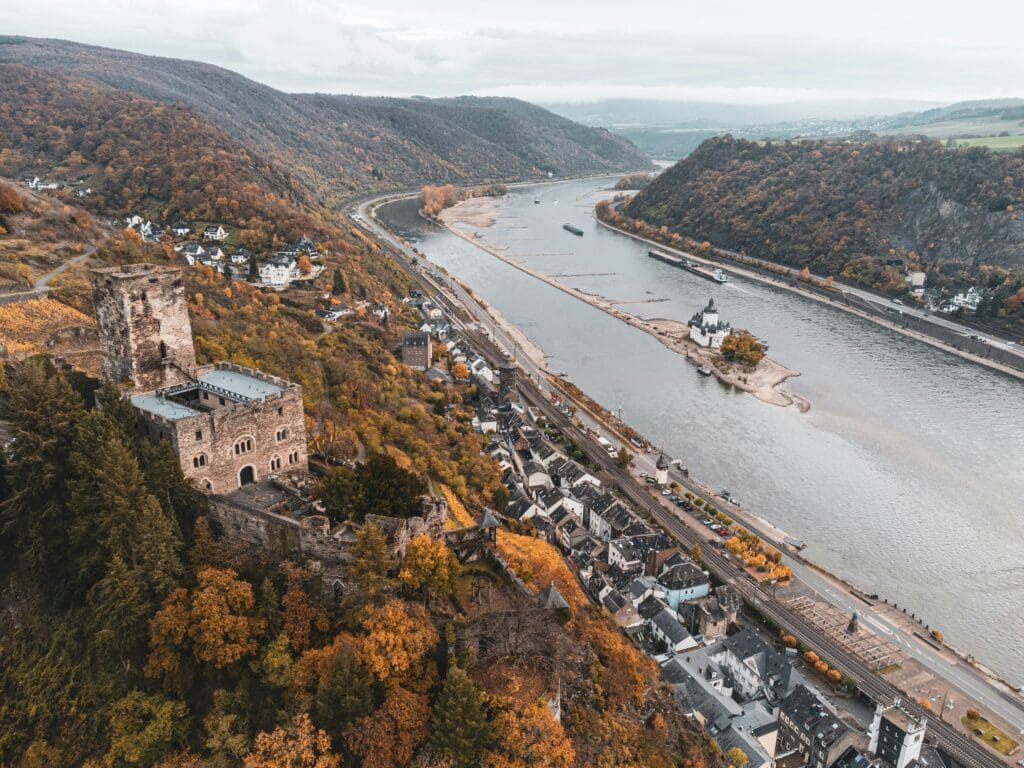
The Rhine region is one of Germany’s most scenic areas, filled with vineyards, castles, riverside villages, and river cruise routes. Towns such as Rüdesheim and Cochem feel especially magical during fall and Christmas market season.
This region works beautifully for slower-paced travel, wine-focused itineraries, and scenic rail or river journeys.
Black Forest & Baden-Württemberg
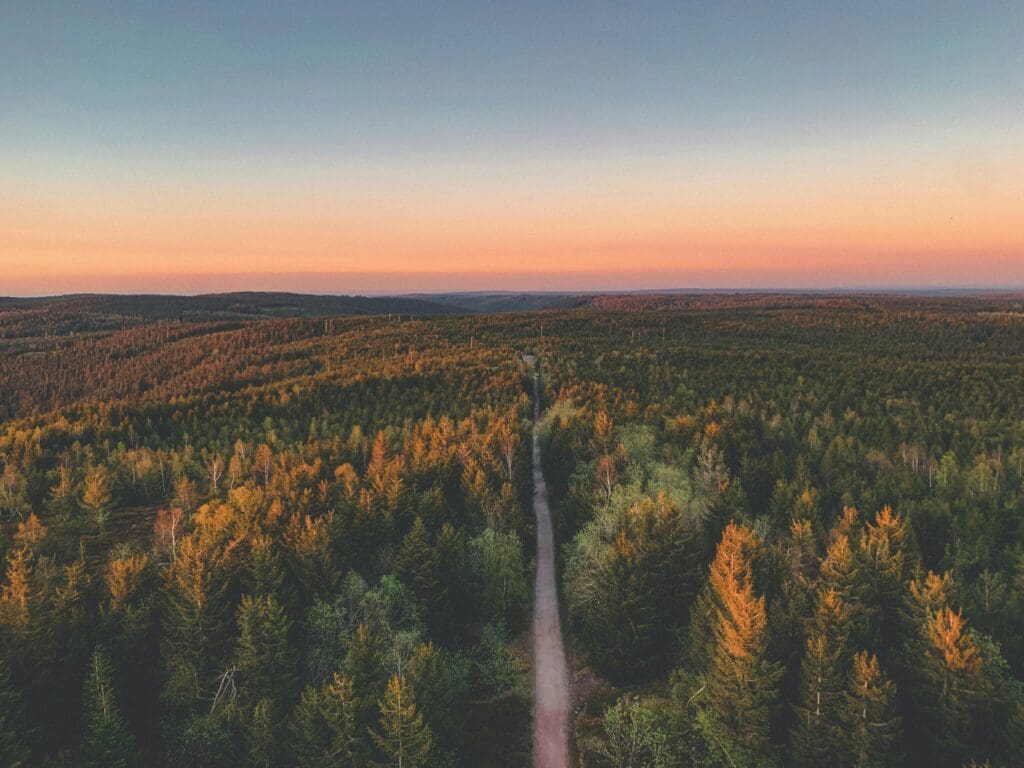
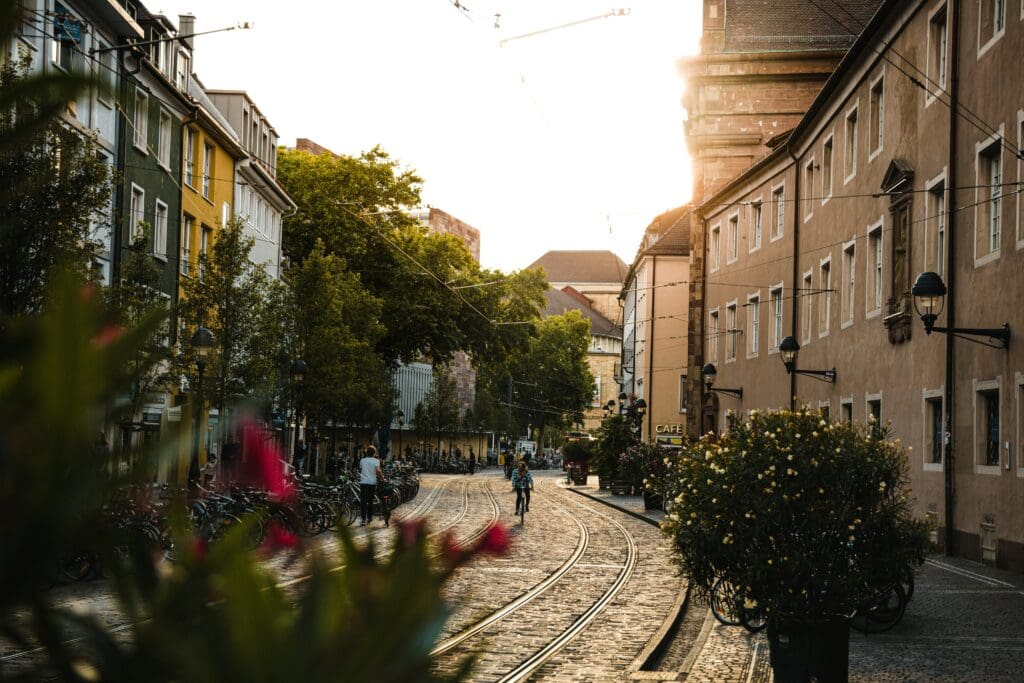
The Black Forest region is known for dense forests, spa towns, hiking trails, and charming villages. It is one of Germany’s best areas for road trips and countryside stays.
The region also borders France and Switzerland, making it easy to combine multiple countries in one itinerary.
Northern Germany
Northern Germany offers a different atmosphere altogether, with maritime cities, historic ports, beaches, and Hanseatic architecture. Hamburg is especially popular for its waterfront districts, nightlife, and cultural scene.
Best Time to Visit
Germany is a year-round destination, though the experience changes dramatically depending on the season.
Spring offers blooming gardens, comfortable sightseeing weather, and fewer crowds before peak summer travel begins.
Summer brings festivals, beer gardens, long daylight hours, and lively city atmospheres. This is also the best time for Alpine travel, river cruising, and scenic countryside drives.
Fall is one of the country’s most underrated seasons. Wine harvests, cooler temperatures, and golden landscapes make regions like the Rhine Valley and Bavaria especially beautiful.
Winter transforms Germany into one of Europe’s best Christmas market destinations. Cities and villages become filled with festive lights, mulled wine stands, seasonal food, and holiday traditions that feel straight out of a storybook.
Getting Around
Germany is one of the easiest countries in Europe to navigate thanks to its extensive rail system and well-developed infrastructure.
High-speed ICE trains connect major cities quickly and comfortably, making train travel ideal for itineraries focused on cities and larger towns.
Renting a car becomes more valuable when exploring regions such as Bavaria, the Black Forest, or smaller villages where flexibility adds significantly to the experience.
Driving in Germany is generally straightforward, though travelers should be prepared for faster highway driving on sections of the Autobahn with no speed limit.
Public transportation within cities is reliable and efficient, especially in Berlin, Munich, Hamburg, and Frankfurt.
Food in Germany
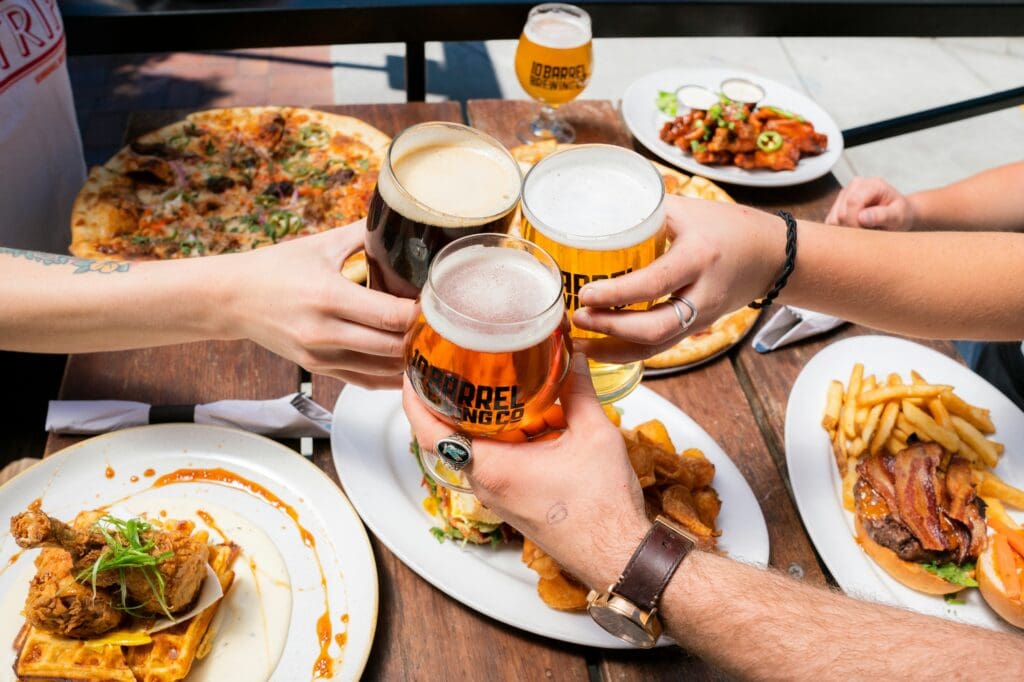
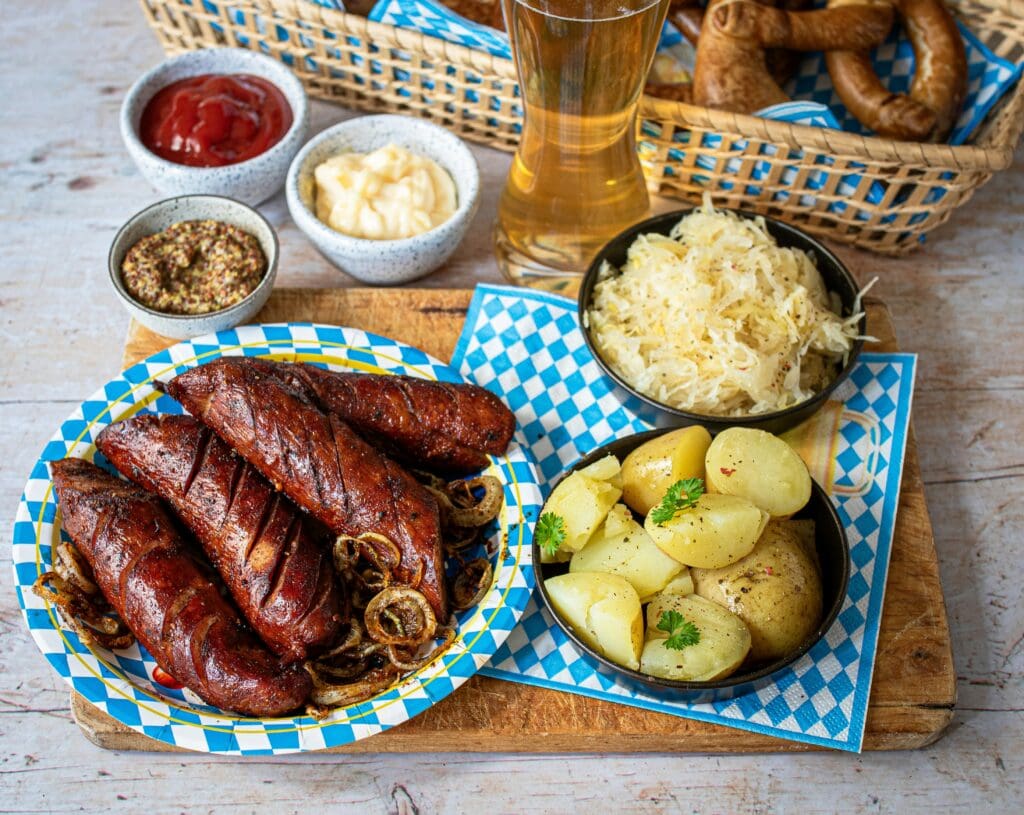
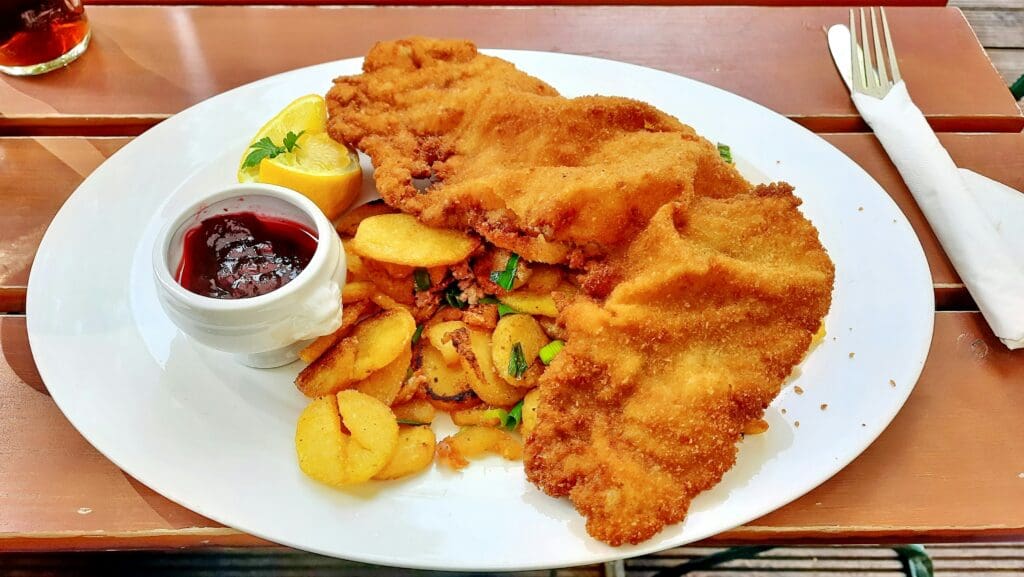
German cuisine varies widely by region and is far more diverse than many travelers expect.
Bavaria is known for pretzels, sausages, schnitzel, roast pork, and beer halls, while the Rhine and Moselle regions focus more on wine culture and seasonal dishes.
Germany also has a strong café culture, especially in historic cities where afternoons often revolve around coffee and cake traditions.
Beer remains an important cultural experience, with each region having its own brewing traditions and styles. Wine regions such as the Rhine Valley and Moselle also produce excellent Rieslings and offer beautiful vineyard landscapes.
Christmas market season introduces seasonal favorites such as mulled wine, roasted nuts, gingerbread, sausages, and festive pastries.
Popular Experiences
Germany offers a balance of iconic highlights and slower regional experiences.
Walking through historic squares in Munich, visiting Neuschwanstein Castle, and exploring Berlin’s museums and historical sites are among the country’s most well-known experiences.
Travelers also love scenic Rhine River cruises, Christmas market itineraries, and road trips through Bavaria or the Black Forest.
Castle hotels, vineyard stays, beer gardens, and traditional festivals create opportunities for immersive travel experiences beyond sightseeing alone.
Germany is also excellent for rail-focused itineraries, especially when combined with nearby countries such as Austria, Switzerland, France, or the Czech Republic.
FAQ
Is Germany good for first-time Europe travelers?
Yes. Germany is easy to navigate, efficient, safe, and offers an excellent balance of cities, countryside, history, and cultural experiences.
What is the currency in Germany?
You’ll commonly see prices written as:
- €10
- 10 EUR
- 10€
While cards are widely accepted, Germany is still more cash-friendly than some other European countries, especially in:
- smaller towns,
- local bakeries,
- traditional restaurants,
- and Christmas markets.
Do I need a car in Germany?
Not necessarily. Germany’s train system is excellent for city-based itineraries, though a car is helpful for scenic countryside regions and smaller villages.
Is the Autobahn difficult to drive on?
Not usually, but drivers should be comfortable with faster-moving traffic in some sections where there are no speed limits.
Are German Christmas markets worth visiting?
Absolutely. Germany is considered one of the best Christmas market destinations in Europe, especially cities such as Munich, Nuremberg, Cologne, Dresden, and smaller Bavarian towns.
Can I combine Germany with other countries easily?
Very easily. Germany pairs exceptionally well with Austria, Switzerland, France, the Czech Republic, Belgium, and the Netherlands thanks to strong rail connections.
Is Berlin worth visiting if I prefer traditional European charm?
Yes, but Berlin offers a very different atmosphere than Bavaria or the Rhine Valley. It is more modern, artistic, and historically layered than fairytale-like.
Is Germany expensive?
Germany is generally more affordable than Switzerland and often less expensive than France in many regions, though Munich can be pricier than other German cities.
How many days should I spend in Germany?
A first trip usually works best with at least 10–14 days to combine multiple regions and experience different sides of the country.
Is English widely spoken?
Yes, especially in cities, hotels, tourist areas, and transportation hubs.
What is the best time to visit Germany?
Late spring, early fall, and Christmas market season are often considered the best times depending on the type of experience you want.
In Closing
Germany is one of those destinations that becomes more rewarding the deeper you explore. Beyond the famous castles and city landmarks are vineyard villages, festive markets, scenic rail journeys, mountain landscapes, and regional traditions that make each part of the country feel distinct.
Whether you are dreaming of Christmas markets, a Rhine River journey, a Bavarian road trip, or a multi-country European itinerary, Germany offers experiences that combine history, culture, scenery, and comfort with remarkable ease.
If you are ready to start planning your trip to Germany, I can help create a customized itinerary designed around your travel style, preferred pace, and the regions you want to experience most.


Be the first to comment