
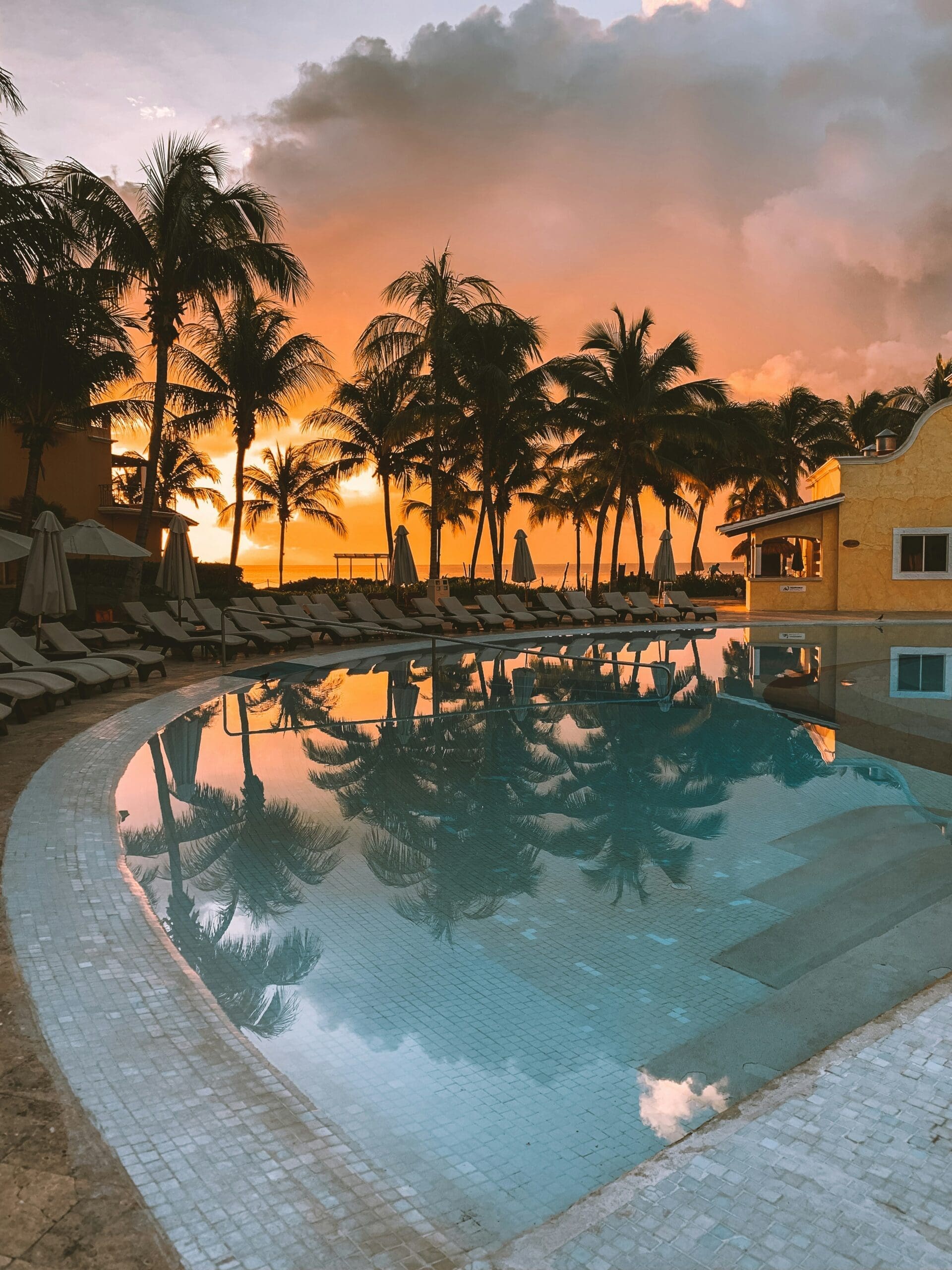
There is a reason so many travelers return from an all-inclusive vacation feeling different.
Not just rested—but lighter.
Some styles of travel are designed around movement. Constant sightseeing, changing hotels, navigating transportation, planning every meal, coordinating reservations. But all-inclusive travel offers something entirely different. It invites travelers to stop managing the trip and simply enjoy it.
That is the real appeal.
All-inclusive travel is not about staying in one place because it is easier. It is about creating space to fully relax without constantly thinking about logistics, budgeting every meal, or organizing each day hour by hour. Everything is already there—beautiful accommodations, dining, cocktails, activities, entertainment, wellness experiences, pools, beaches, and often excursions as well.
The experience feels seamless.
Mornings begin slowly with coffee overlooking the ocean. Afternoons drift between the beach, spa, and lunch by the water. Evenings become sunset dinners, live music, rooftop cocktails, or quiet walks back to your suite under warm tropical air. Without constantly reaching for your wallet or checking schedules, travelers naturally settle into a slower rhythm.
And that rhythm is exactly what many people are craving.

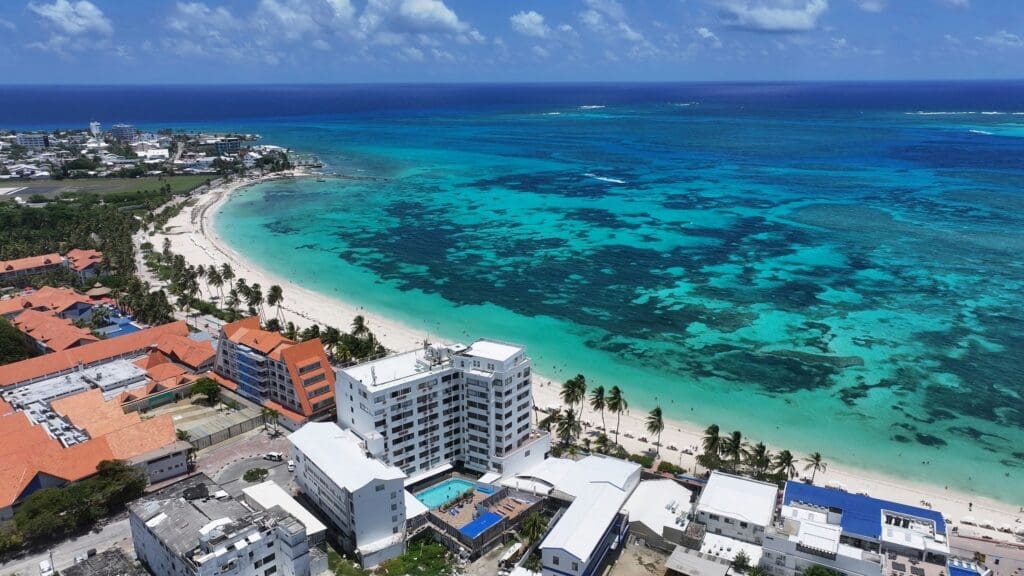

What surprises many travelers is how much the all-inclusive world has evolved. Years ago, people often associated all-inclusives with crowded buffets and generic resort experiences. Today, many properties feel more like luxury boutique hotels with exceptional dining, curated experiences, wellness programs, and beautifully designed spaces that rival some of the world’s top resorts.
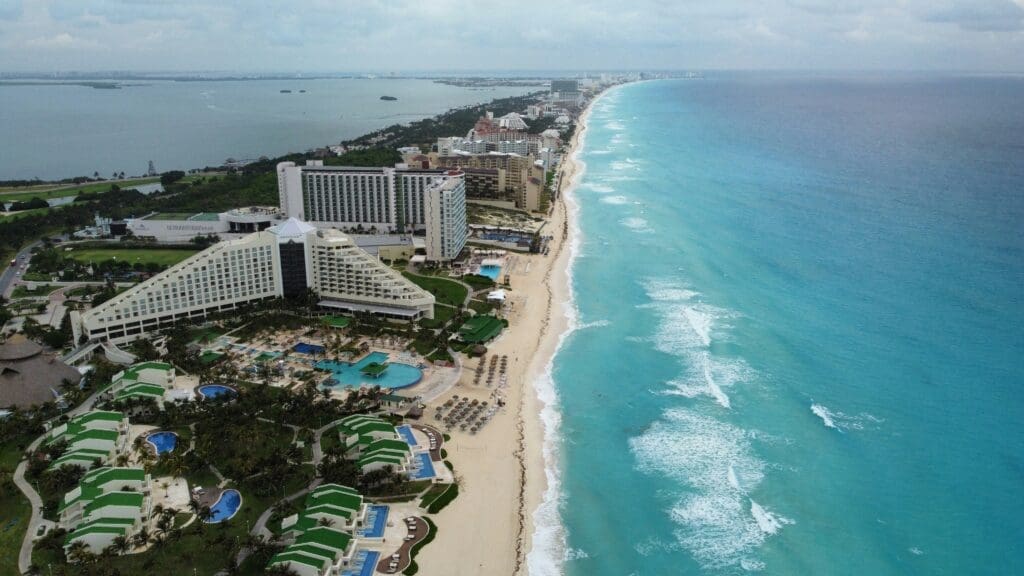
In Mexico, destinations like Riviera Maya, Los Cabos, and Punta Mita have transformed all-inclusive travel into something far more elevated. Travelers can find adults-only resorts with gourmet restaurants, wellness-focused retreats, rooftop infinity pools, and private plunge suites overlooking the ocean. The experience feels sophisticated while still maintaining the ease that makes all-inclusive travel so appealing.
Meanwhile, islands throughout the Caribbean offer entirely different atmospheres depending on the type of trip travelers want. Some resorts focus on romance and tranquility, perfect for honeymoons or anniversaries. Others are lively and social with nightlife, excursions, and entertainment. Family-friendly properties create experiences where parents can actually relax while children enjoy activities designed specifically for them.

Destinations like Saint Lucia combine dramatic scenery with intimate luxury, where couples wake up to views of the Pitons from open-air suites. Jamaica blends vibrant culture, music, and hospitality with resorts ranging from lively beachfront escapes to elegant adults-only retreats. And in places like Costa Rica, all-inclusive experiences are becoming more nature-focused, pairing wellness and sustainability with rainforest landscapes and adventure.
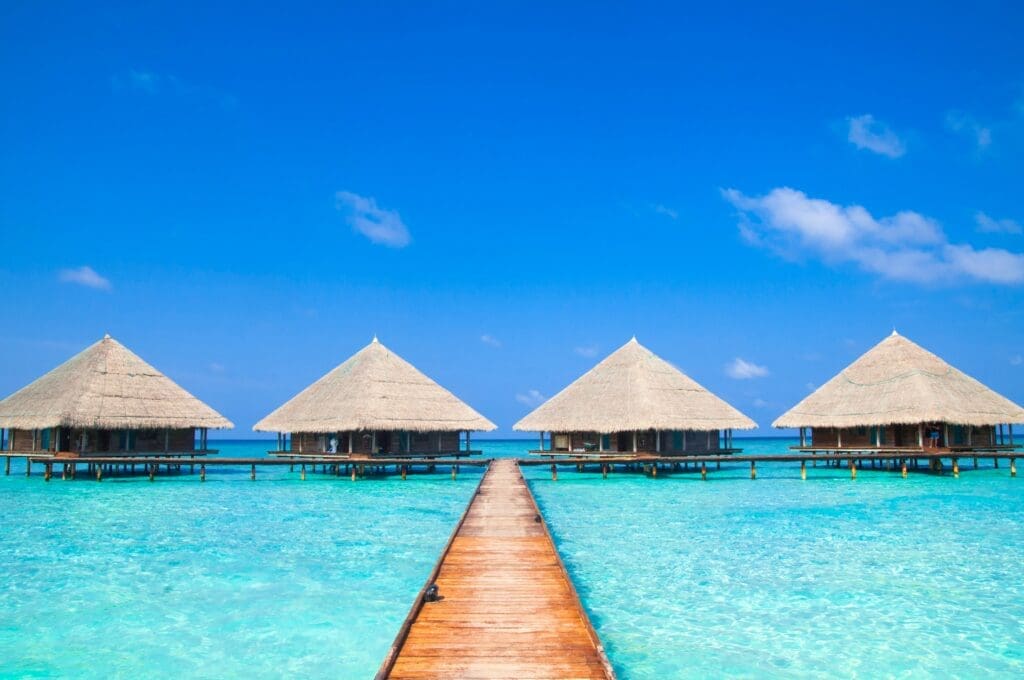
Even destinations traditionally known for luxury independent travel are embracing the all-inclusive concept in more refined ways. Resorts in Maldives now offer high-end all-inclusive experiences that include gourmet dining, excursions, premium beverages, and spa experiences—allowing travelers to fully enjoy remote island luxury without constantly calculating costs.
One of the greatest strengths of all-inclusive travel is how adaptable it is to different types of travelers.
For honeymooners, it creates effortless romance.
For busy professionals, it removes stress and decision fatigue.
For families, it simplifies budgeting and logistics.
For groups, it keeps everyone together while still allowing flexibility.
And perhaps most importantly, all-inclusive travel allows people to be present.
Instead of spending the trip coordinating transportation or searching for restaurants, travelers spend more time actually enjoying where they are. They linger over breakfast. Stay at the pool longer. Say yes to the extra cocktail at sunset because the experience feels carefree in the best possible way.
That sense of ease is often underestimated.
Luxury is not always about extravagance. Sometimes luxury is simply not having to think so much.
And in a world where daily life feels increasingly busy and overstimulating, all-inclusive travel offers something many people desperately need: permission to fully switch off.
Because the best all-inclusive vacations are not just about unlimited food or beachfront suites.
They are about returning home feeling rested in a way that is becoming harder and harder to find.


Be the first to comment