
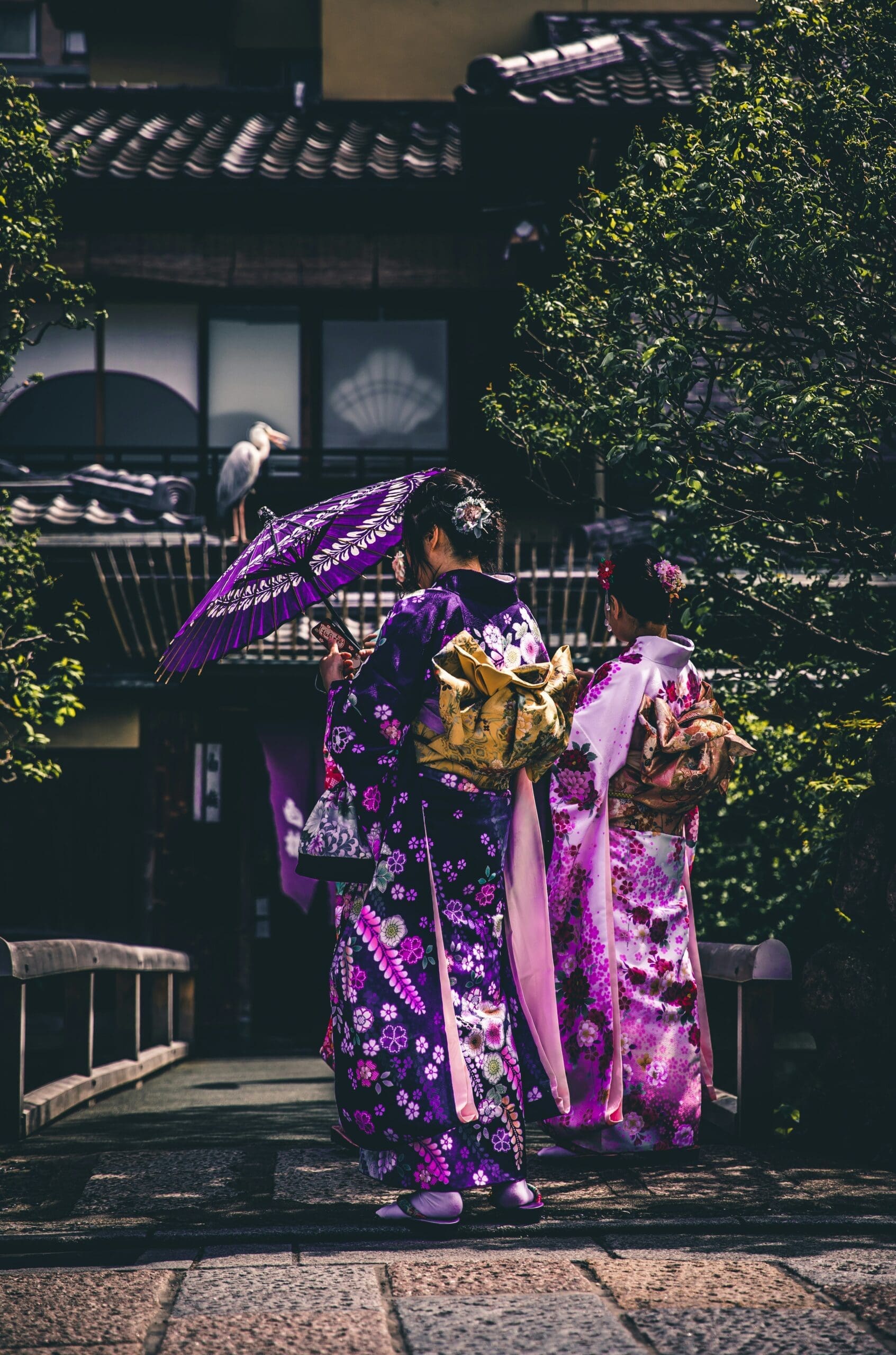
Some trips are remembered for the views.
Others are remembered for the feeling of truly understanding a place.
Cultural travel is about stepping into the rhythm of a destination rather than simply observing it from the outside. It is the kind of travel that stays with you long after you return home because it changes the way you see the world—and often yourself.
These journeys are rarely rushed.
They unfold slowly through conversations, meals, traditions, architecture, music, history, and everyday moments that reveal how people actually live. Cultural travel is less about collecting landmarks and more about connection. Connection to place, to people, and to stories that existed long before we arrived.
It is wandering through ancient streets while local life continues around you. It is learning why a region cooks certain foods, celebrates particular festivals, or preserves traditions that have shaped generations. It is understanding that culture is not something placed on display for travelers—it is something living and evolving every single day.
That is what makes this style of travel feel so meaningful.

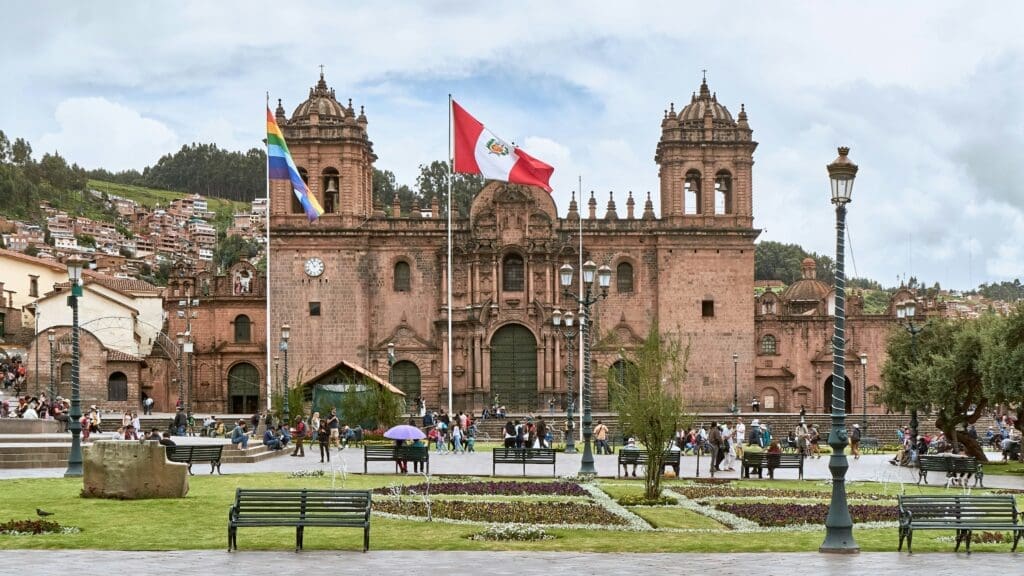
In Peru, cultural travel often begins in Cusco, where Incan history, Spanish colonial influence, and Indigenous traditions all exist side by side. Travelers move through colorful markets, mountain villages, and ancient archaeological sites while experiencing a culture deeply connected to the Andes. The journey to Machu Picchu becomes more meaningful because of everything travelers experience before they ever arrive there.
In Morocco, culture is experienced through the senses. The call to prayer echoing through medinas, the scent of spices drifting through markets, intricate riads hidden behind unassuming doors, mint tea shared on rooftop terraces—every moment feels immersive. Travelers are not just seeing Morocco; they are feeling it.
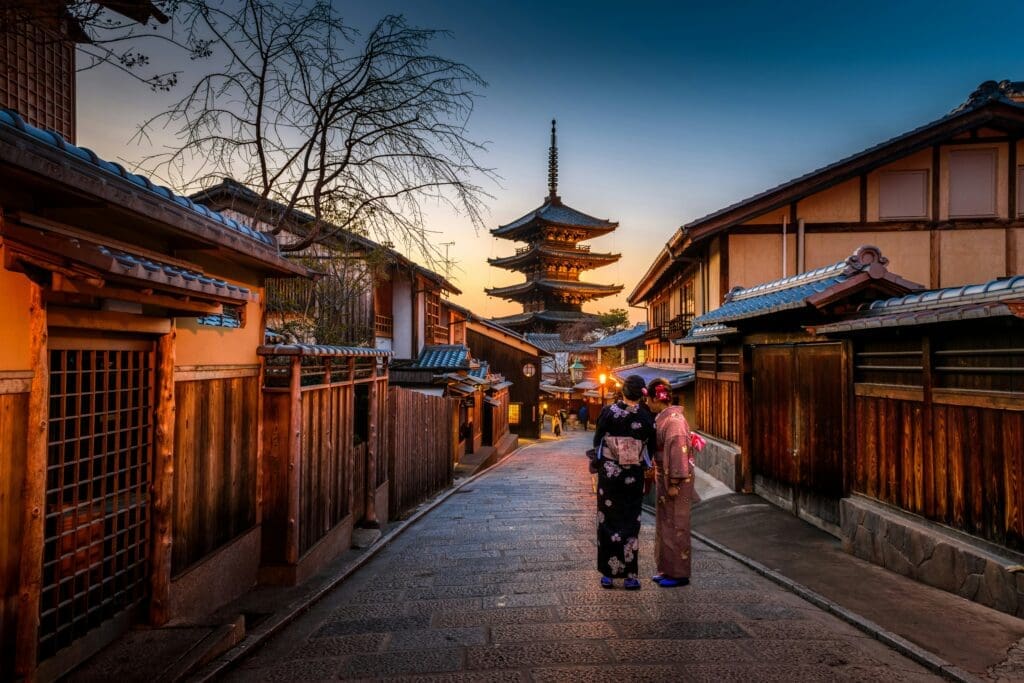
Meanwhile, Japan offers a quieter and more intentional form of cultural travel. Ancient temples stand beside modern skylines, centuries-old traditions remain woven into daily life, and even the smallest details—from tea ceremonies to seasonal cuisine—reflect deep cultural values rooted in precision, respect, and beauty.

Cultural journeys also often lead travelers toward destinations that feel layered and complex rather than polished solely for tourism.
In Türkiye, travelers move between continents, histories, and identities all within a single trip. Istanbul alone feels like multiple worlds meeting together—Byzantine churches, Ottoman palaces, bustling bazaars, rooftop cafés, and modern neighborhoods all coexisting in one endlessly fascinating city.
Elsewhere, destinations like India immerse travelers in experiences that are vibrant, emotional, and unforgettable. The colors, rituals, spirituality, cuisine, and contrasts can feel overwhelming at first, but that intensity is often exactly what makes cultural travel transformative.
And not every cultural experience needs to involve famous landmarks or museums.
Sometimes the most meaningful moments happen quietly.
Sharing homemade food with locals in a small village.
Learning traditional crafts passed through generations.
Watching fishermen return at sunset.
Hearing music drift through a city square late at night.
These moments create understanding in ways guidebooks never fully can.
Cultural travel also changes the pace of how people move through destinations. Travelers spend more time in fewer places. They choose experiences that allow for interaction and immersion rather than simply sightseeing. Cooking classes, local guides, markets, festivals, train journeys, heritage hotels, and smaller group experiences all become part of the journey.
Increasingly, travelers are seeking these deeper experiences because they want more than beautiful photographs. They want trips that feel personal and memorable. They want stories they can carry home with them.
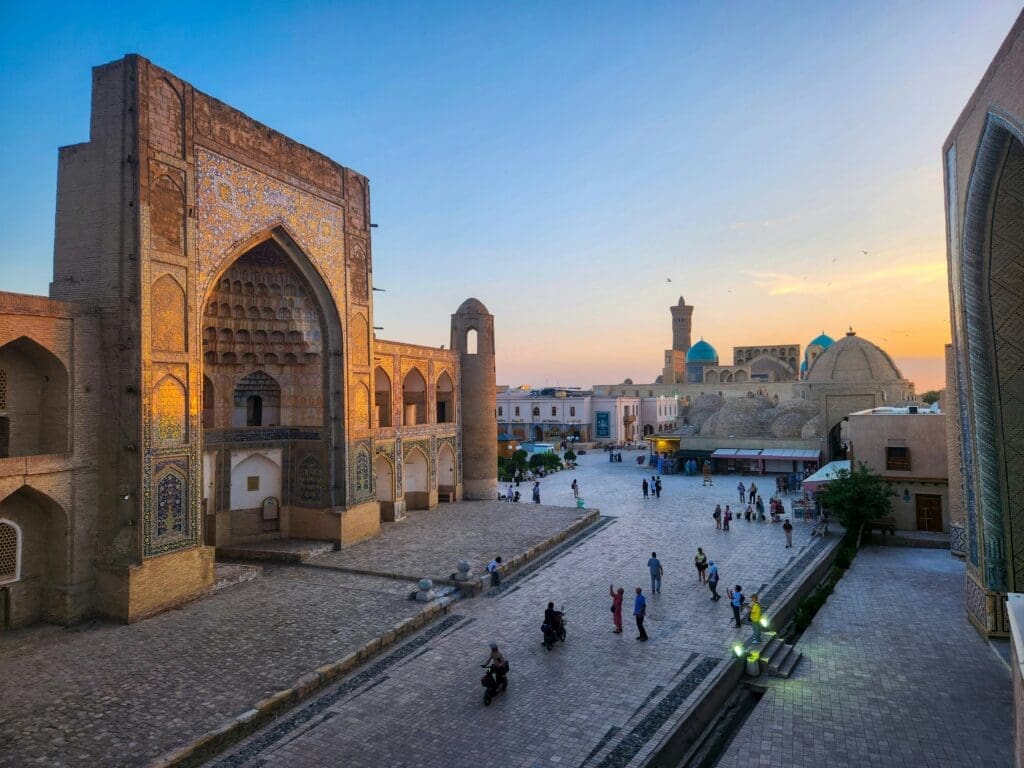
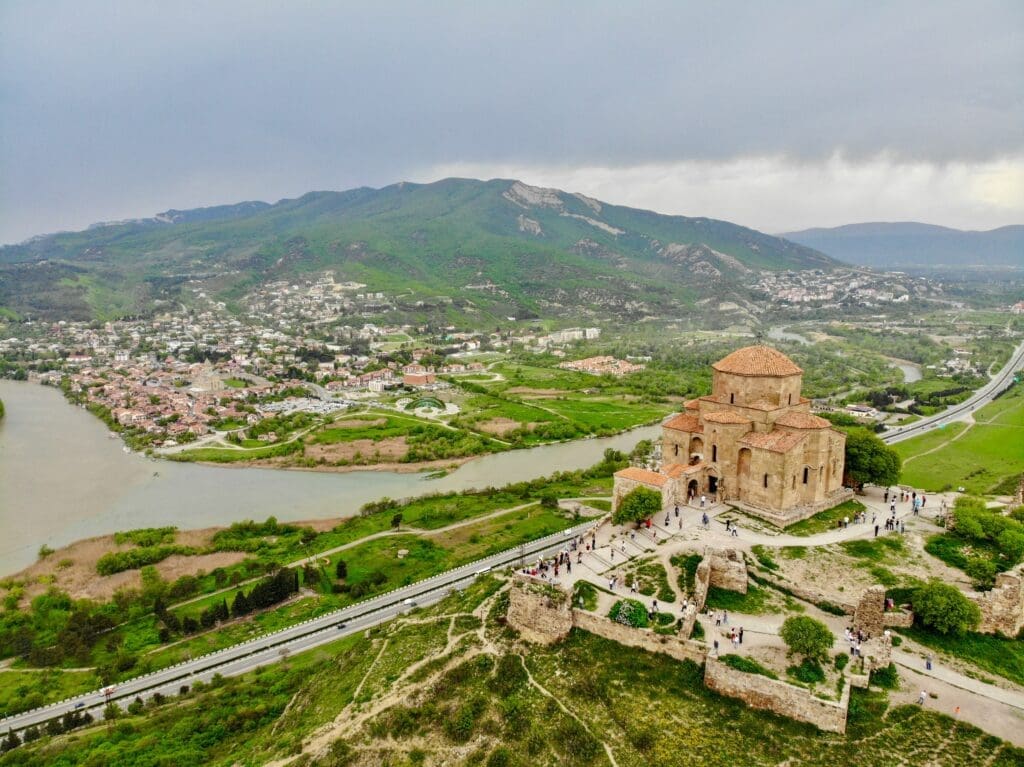
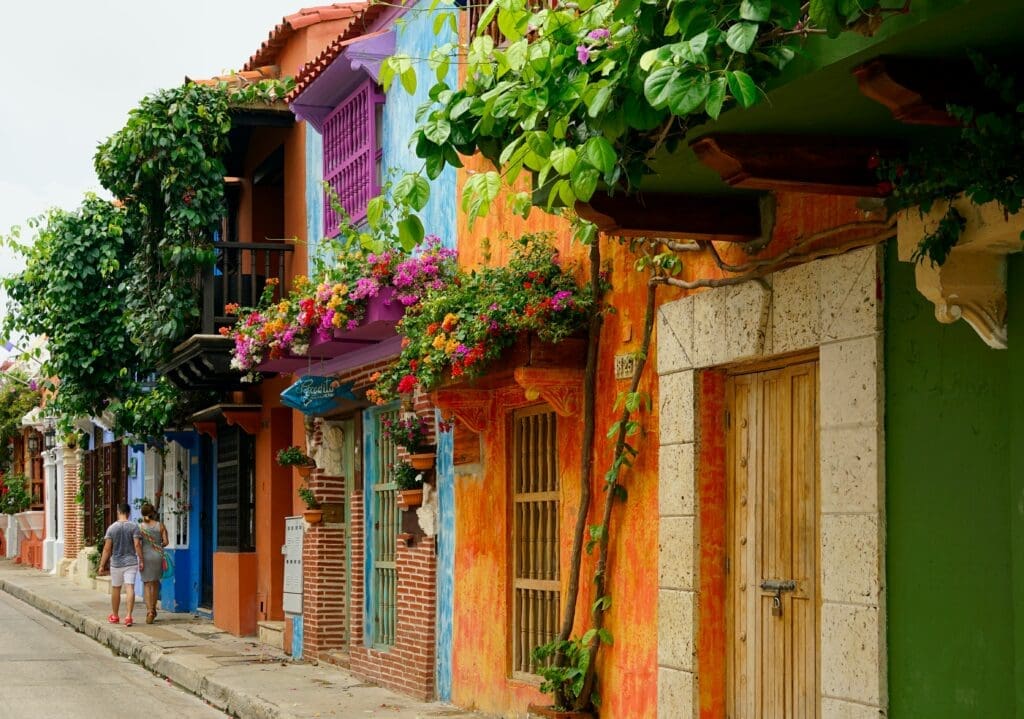
That is why destinations like Uzbekistan, Georgia, and Colombia are becoming more popular among culturally curious travelers. These destinations offer history, hospitality, cuisine, and authenticity that feel less filtered and more connected to everyday life.
At its core, cultural travel reminds us that the world is far more nuanced and interconnected than we often realize.
It teaches patience. Curiosity. Perspective.
And perhaps the most beautiful part of cultural journeys is that travelers rarely return home exactly the same person who left.
Because the best cultural experiences do not just show us new places.
They help us see the world differently.


Be the first to comment