
There are some trips where you remember the landmarks.
And then there are the trips where you remember the scent of fresh bread drifting through a quiet street at sunrise, the tiny family-run vineyard hidden between rolling hills, or the dinner that lasted four hours because nobody wanted the evening to end.
That is the heart of epicurean travel.
Epicurean travel is not simply “food tourism.” It is a slower, more immersive way of experiencing a destination through its flavors, traditions, and rituals around the table. It is about understanding a place by tasting it. The landscapes matter, the architecture matters, the history matters—but everything becomes more meaningful when connected to what people grow, cook, pour, and share.
In many ways, food becomes the storyteller.
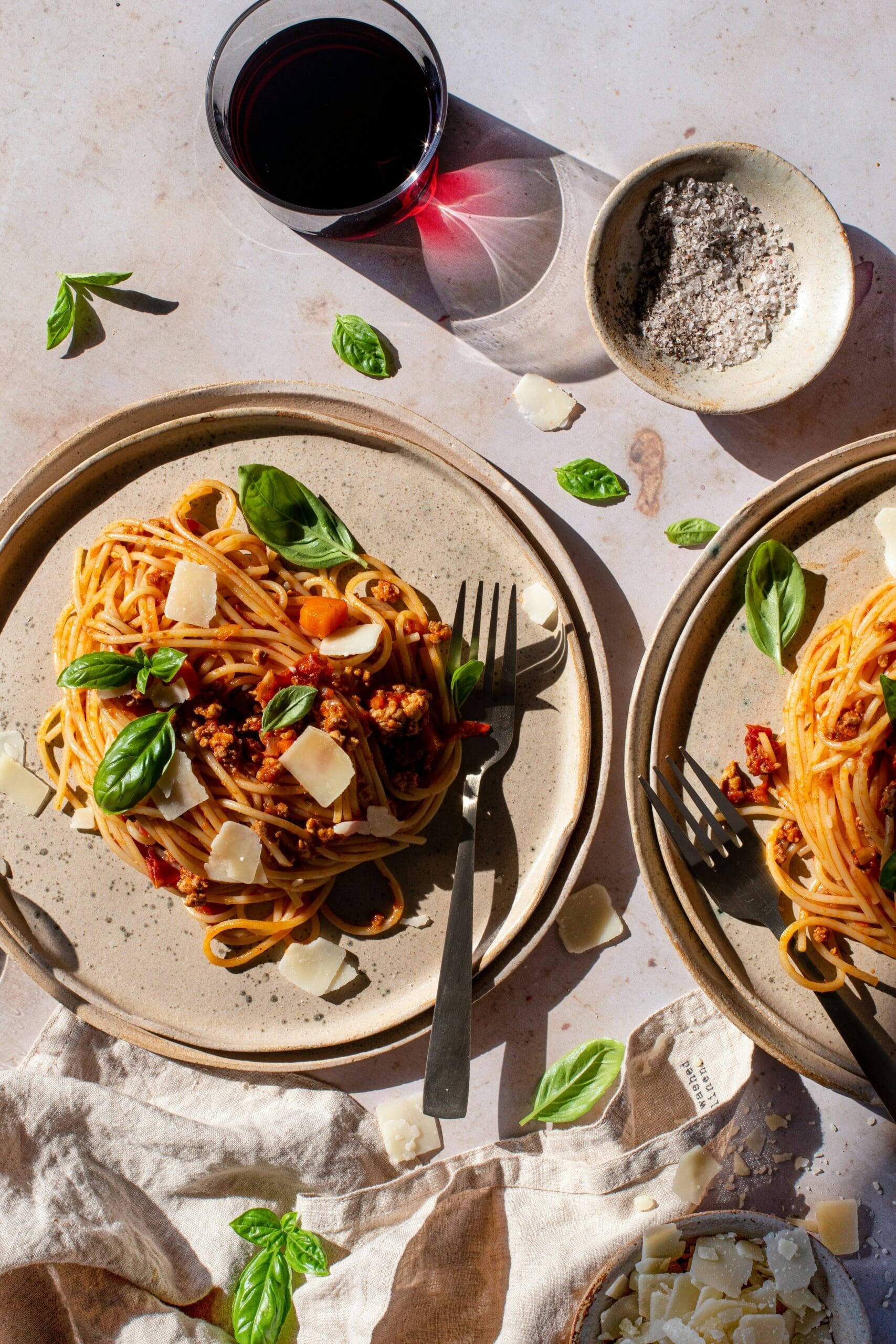
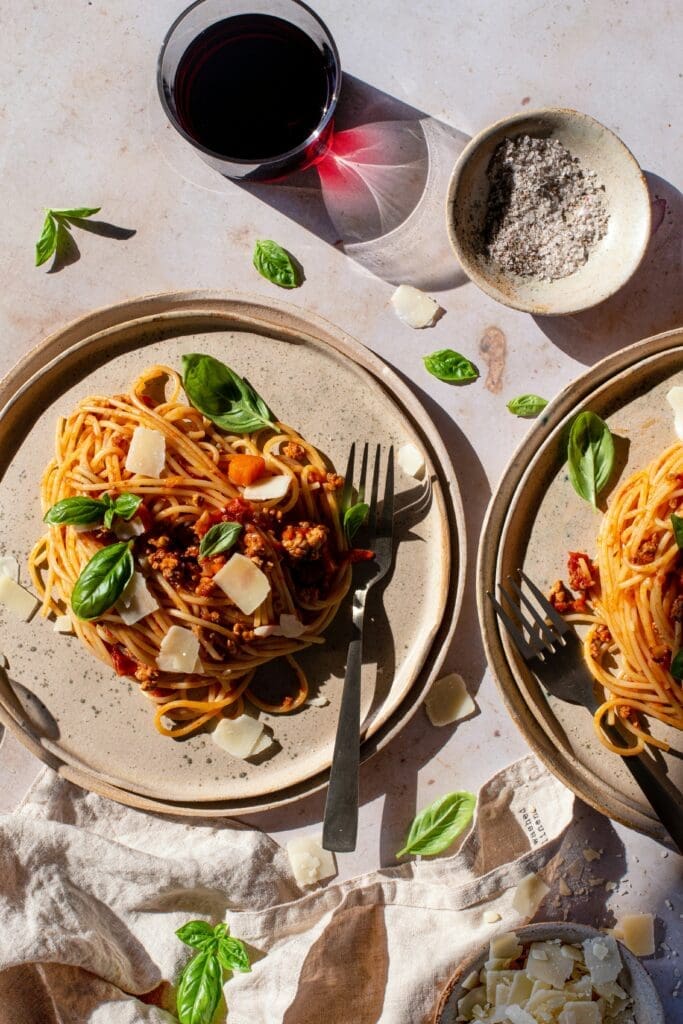
A bowl of handmade pasta in the countryside of Italy tells you about generations of family tradition. A late-night tapas crawl in Spain reveals the rhythm of local life. A wine tasting in the Douro Valley or a cooking class in Thailand becomes less about the activity itself and more about connection—connection to culture, to people, and to the experience of slowing down.
Epicurean travel also tends to change the pace of a trip. Instead of rushing from attraction to attraction, travelers linger longer. Mornings begin at local markets instead of tour buses. Afternoons are spent at wineries, olive groves, or seaside cafés. Evenings stretch late into the night over multiple courses and conversation. It is travel designed around enjoyment rather than checklists.
What makes this style of travel especially rewarding is that it naturally blends luxury, culture, and authenticity together. An epicurean journey can include Michelin-starred restaurants and elegant wine lodges, but it can also mean discovering a tiny bakery that locals have loved for decades. Some of the most memorable meals happen in the simplest places.
For travelers who love meaningful experiences, epicurean travel offers something deeper than sightseeing alone. It creates memories tied to emotion and the senses. Years later, people may forget the exact route they walked through a city, but they remember the meal overlooking the vineyards, the market vendor who taught them how to choose olives, or the tiny café they stumbled into during the rain.
Certain destinations naturally lend themselves to this style of travel because food and hospitality are woven so deeply into daily life.
In Italy, epicurean travel might look like wine tasting through Tuscany, truffle hunting in Piedmont, seafood along the coast of Puglia, or long lunches in the countryside surrounded by olive groves. Every region feels distinct, almost like traveling through multiple countries connected by a shared love of the table.
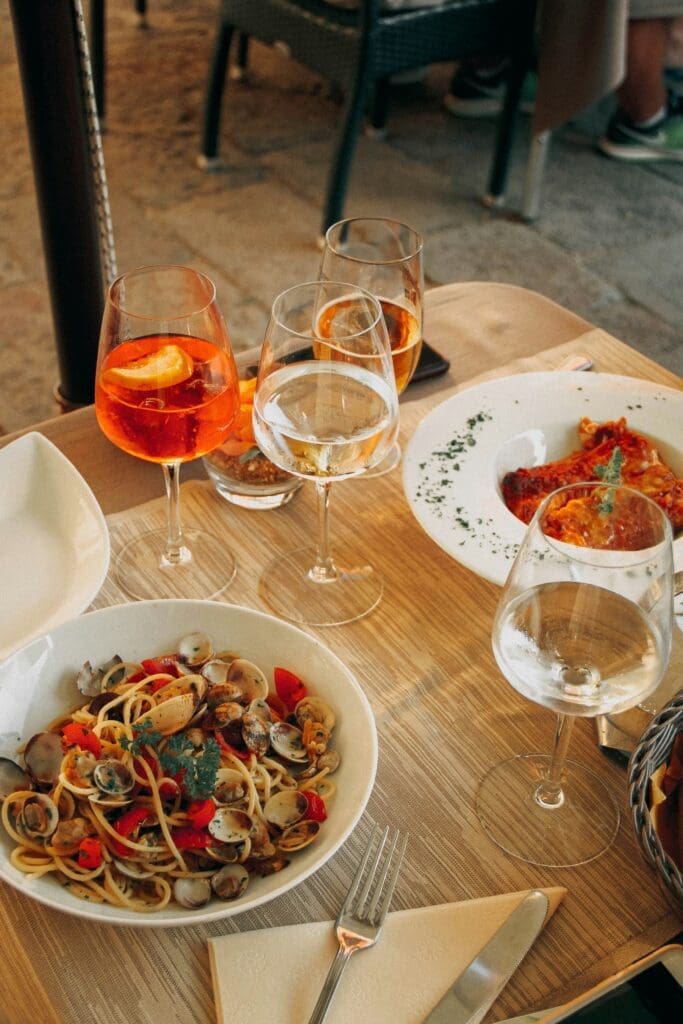
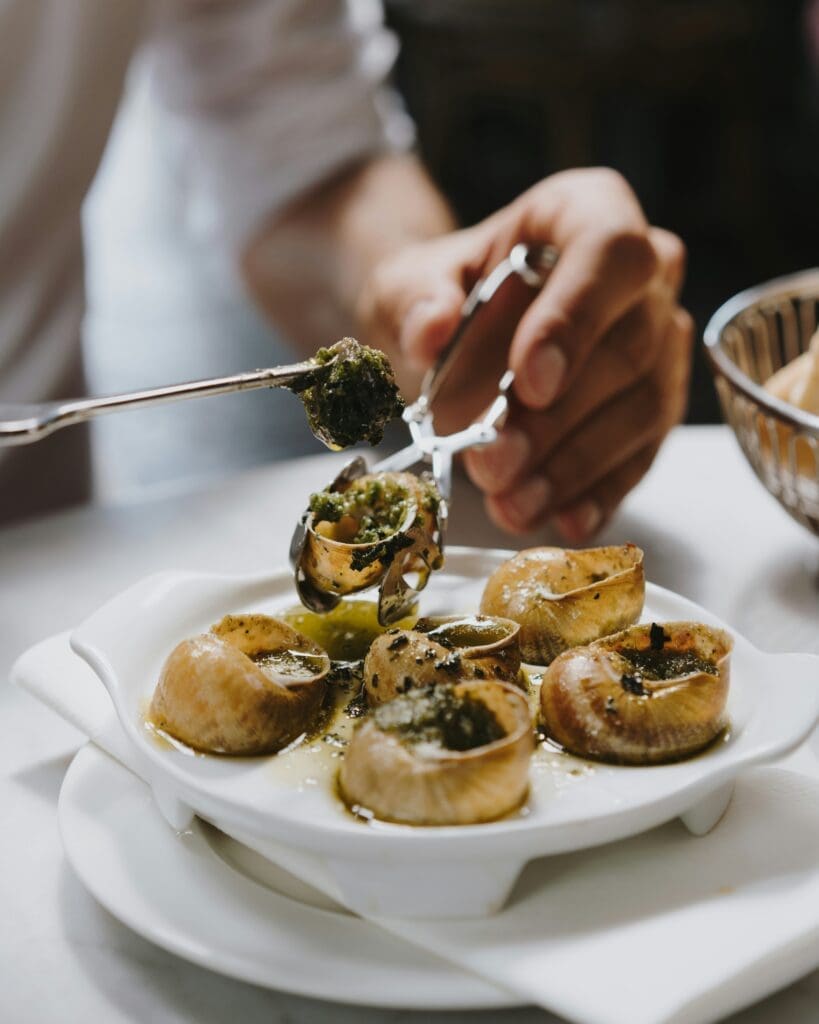
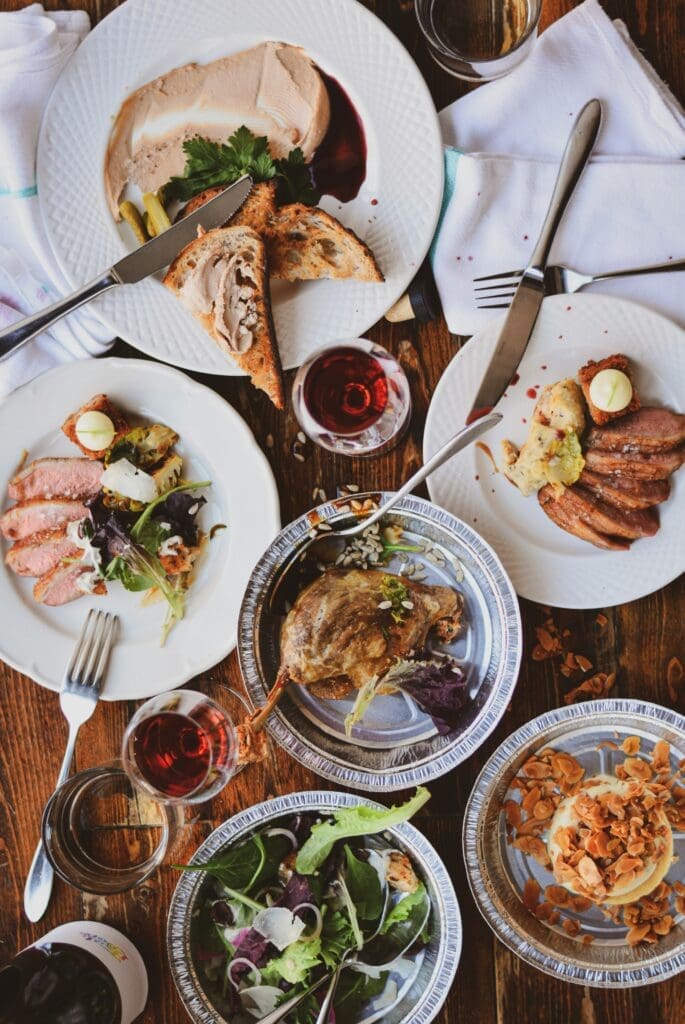
In France, food becomes part of everyday elegance. Mornings in Paris begin with pastries and espresso, while regions like Provence, Burgundy, and Champagne invite travelers into vineyard estates, local markets, and multi-course meals that feel almost ceremonial. Dining here is rarely rushed—it is an experience to savor.

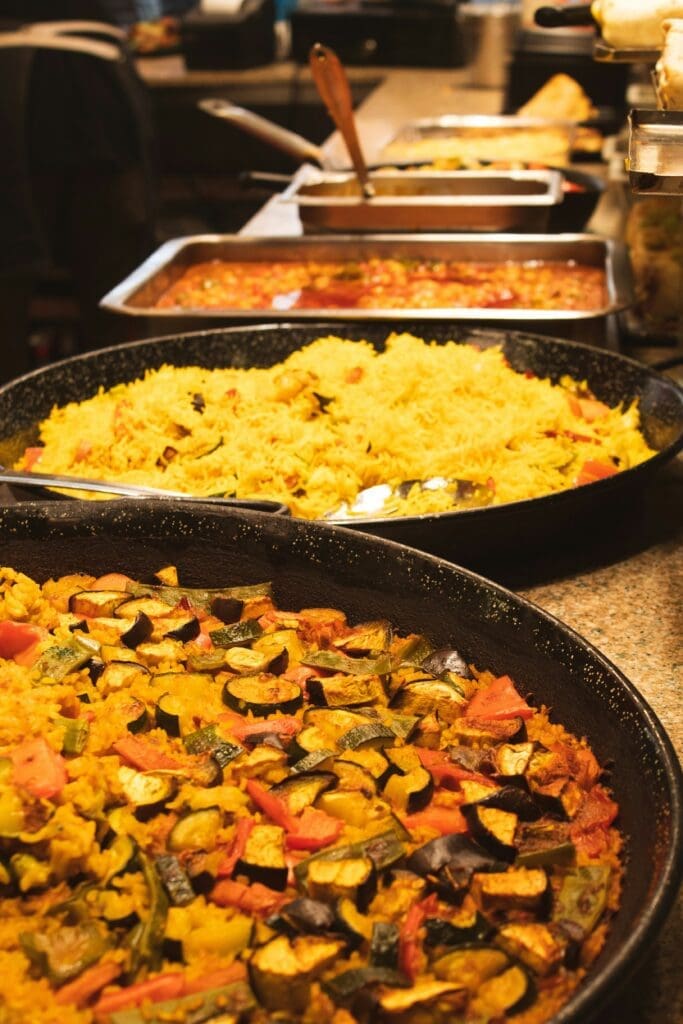
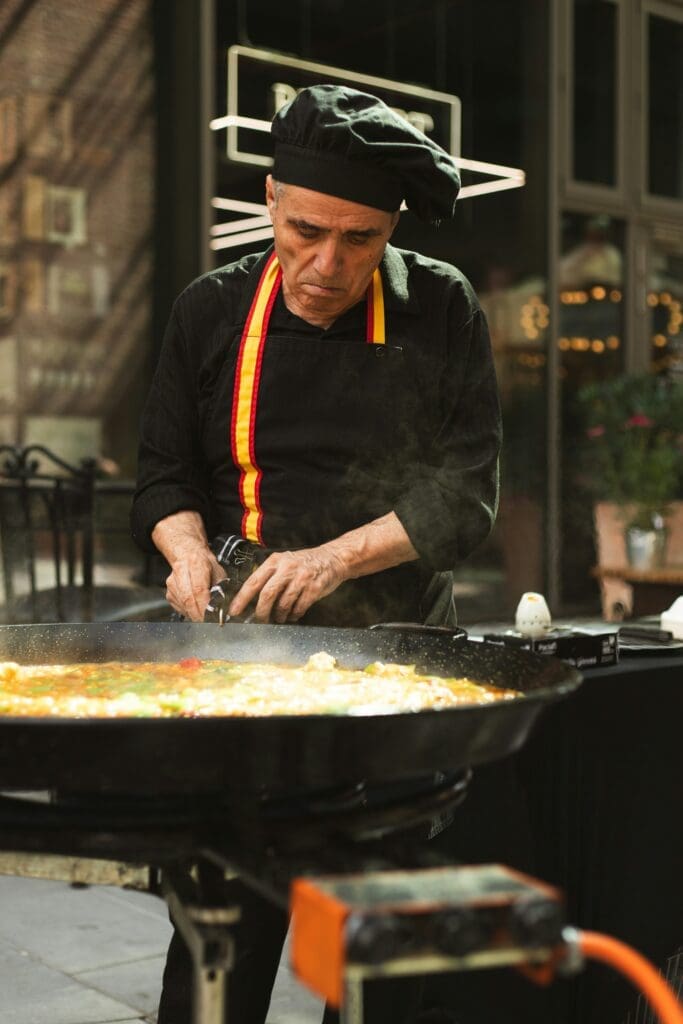
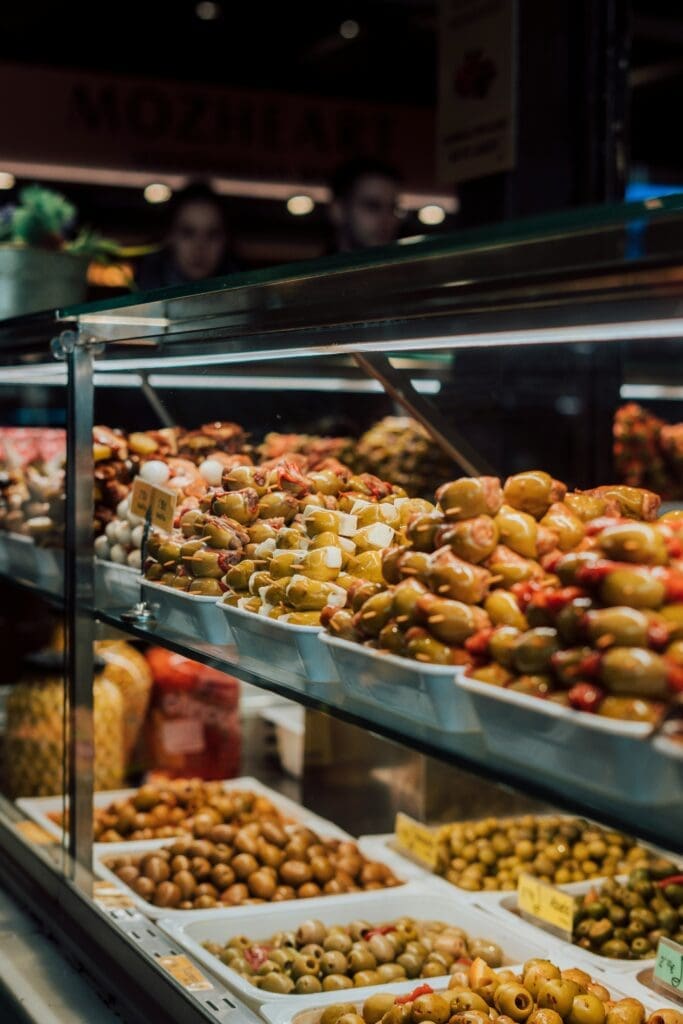
Spain offers a more social and energetic version of epicurean travel. Tapas culture encourages wandering from place to place, tasting as you go. From the pintxos bars of San Sebastián to wine regions like Rioja and Ribera del Duero, meals become communal experiences built around conversation and discovery.
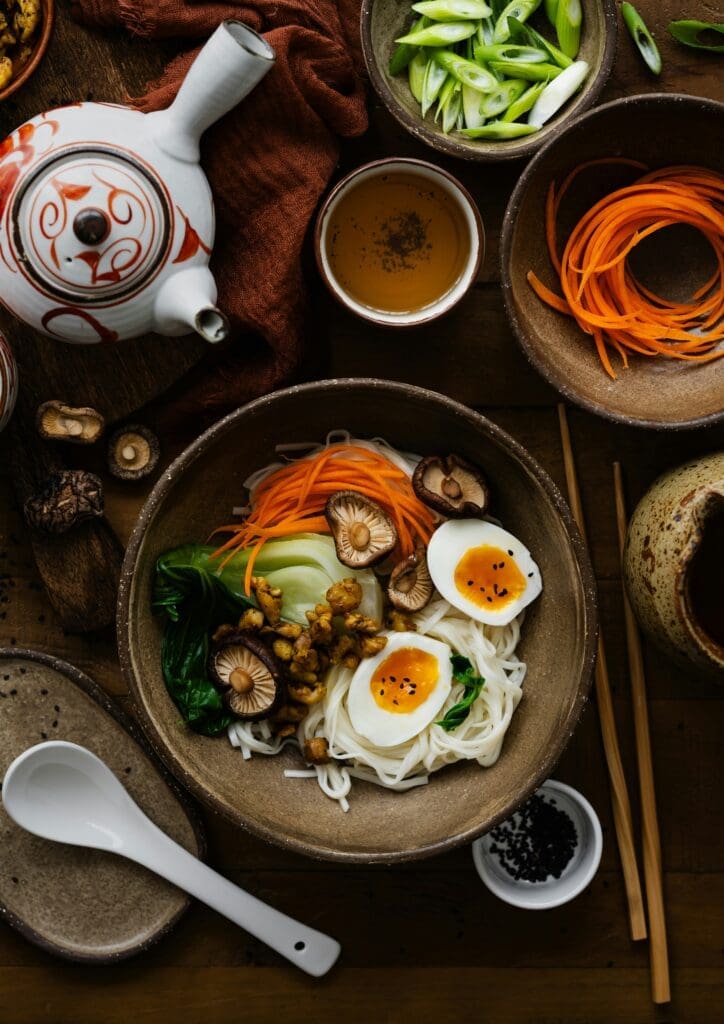
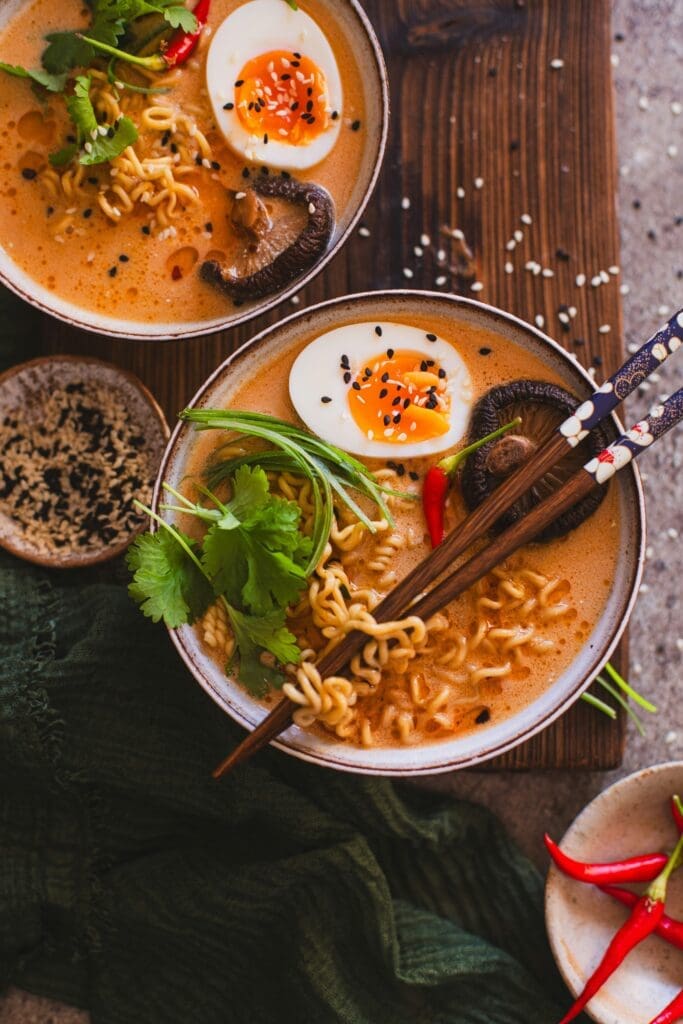
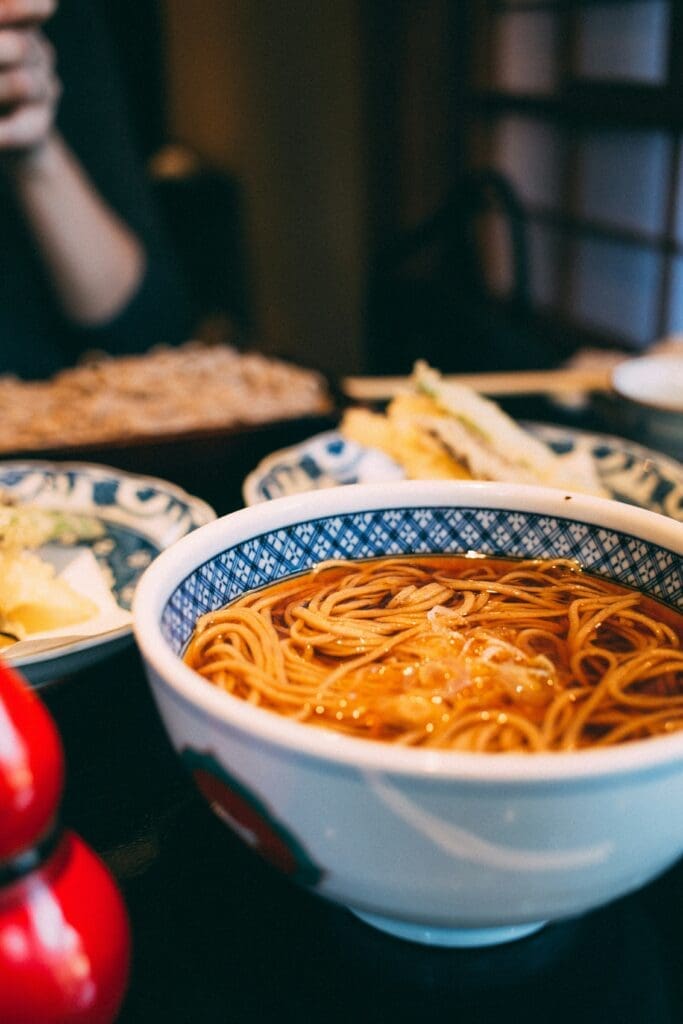
Meanwhile, destinations such as Japan bring precision and artistry into the experience. In Tokyo, Kyoto, and Osaka, food is treated with extraordinary respect and intention. Whether it is sushi crafted by a master chef, a quiet tea ceremony, or beautifully prepared kaiseki dining, every detail feels thoughtful and deeply connected to tradition.
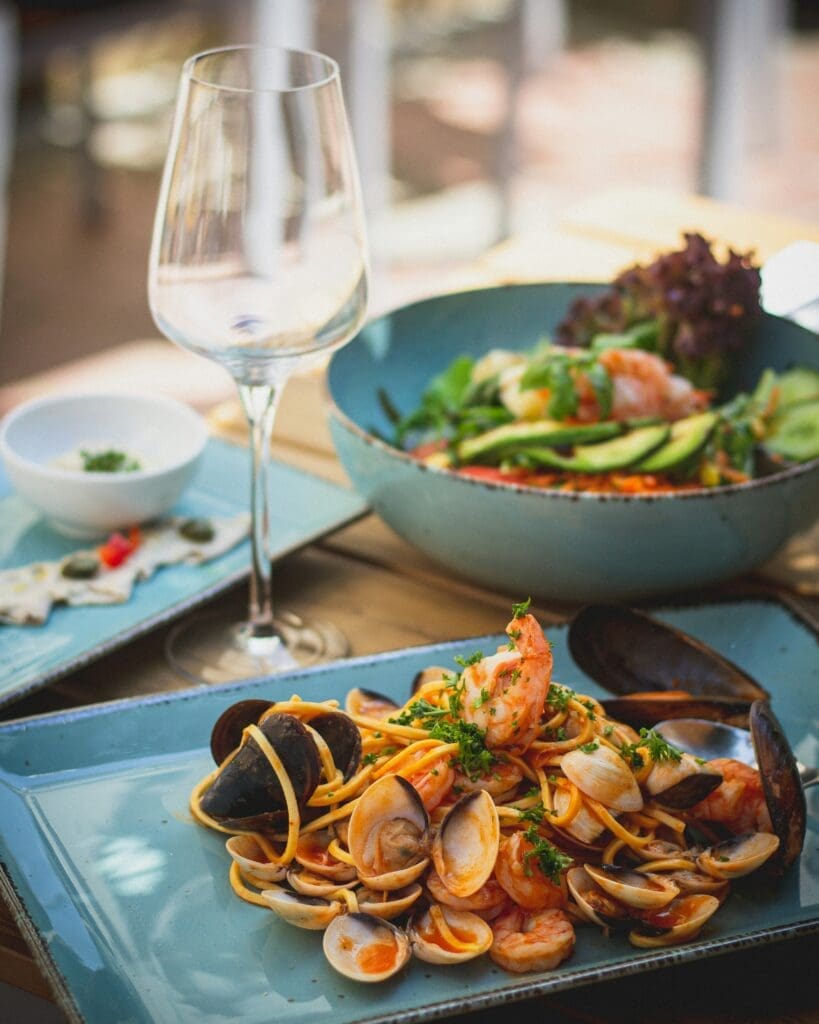
For travelers seeking both scenery and cuisine, regions like Portugal, Greece, and Peru are increasingly becoming favorites. Portugal combines coastal beauty with wine culture and seafood traditions. Greece turns even the simplest meal into an experience through fresh ingredients and seaside dining. Peru has emerged as one of the culinary capitals of the world, blending indigenous traditions with modern gastronomy in places like Lima and Cusco.
Epicurean travel is also one of the most flexible travel styles because it pairs beautifully with so many other types of travel. It can be romantic and luxurious for honeymooners, immersive and educational for cultural travelers, or adventurous when combined with road trips, rail journeys, and countryside stays.
And perhaps that is why people return home from these trips feeling different.
Not because they saw more—but because they experienced more.
They slowed down. They connected. They tasted the culture instead of simply observing it.
Epicurean travel reminds us that some of the best moments in life happen around a table, in a vineyard, at a market stall, or during a meal that lasts longer than expected. And sometimes, the best way to understand a destination is simply to sit down and let it feed you.


Be the first to comment