
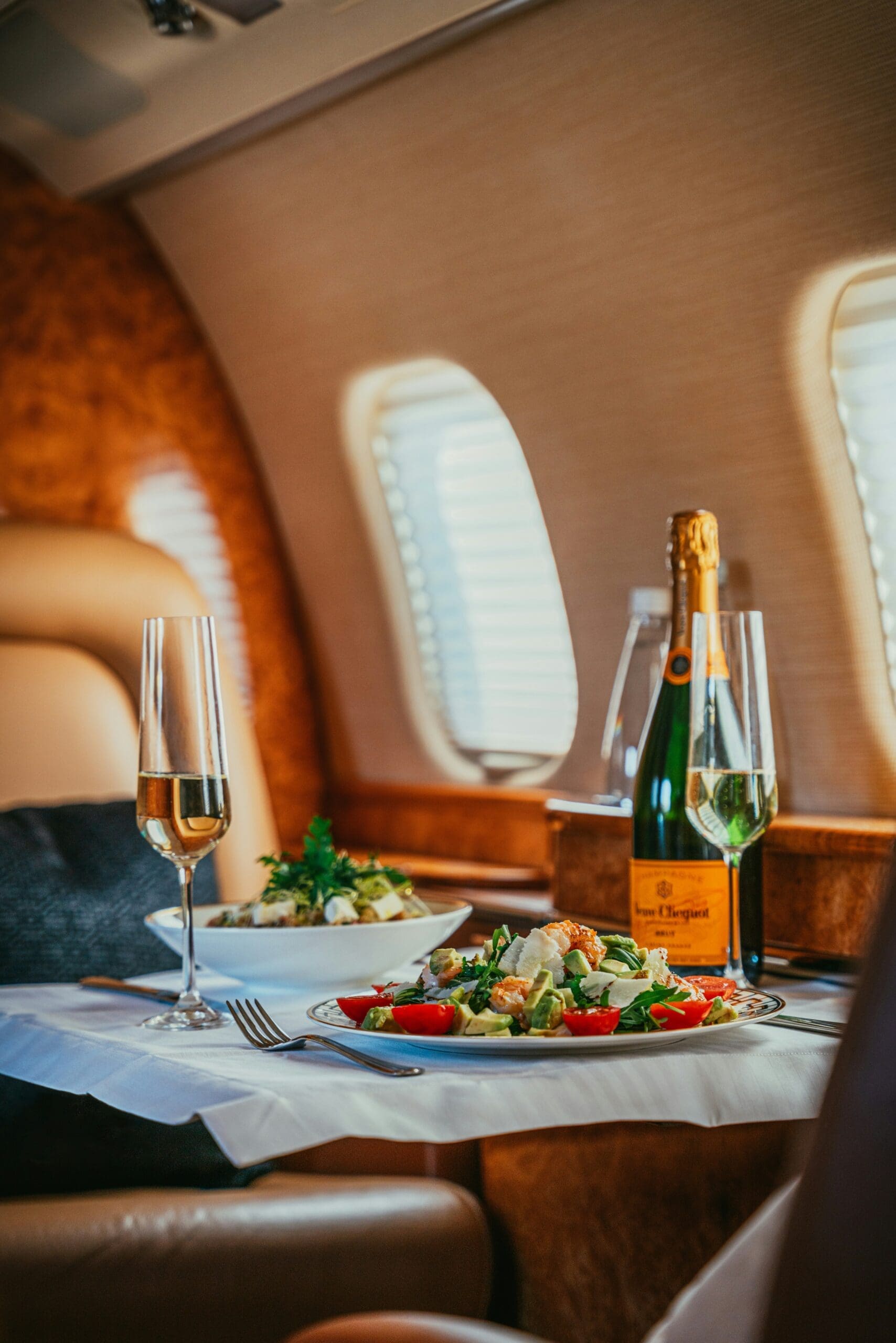
Luxury travel is often misunderstood.
People tend to imagine it as extravagant hotels, designer shopping, or over-the-top experiences reserved only for celebrities and honeymoon suites. While luxury can certainly look glamorous, true luxury travel is usually much quieter than that. It is not always about excess—it is about ease, intention, comfort, and access to experiences that feel deeply personal.
Luxury travel is the difference between simply taking a trip and feeling fully cared for while you travel.
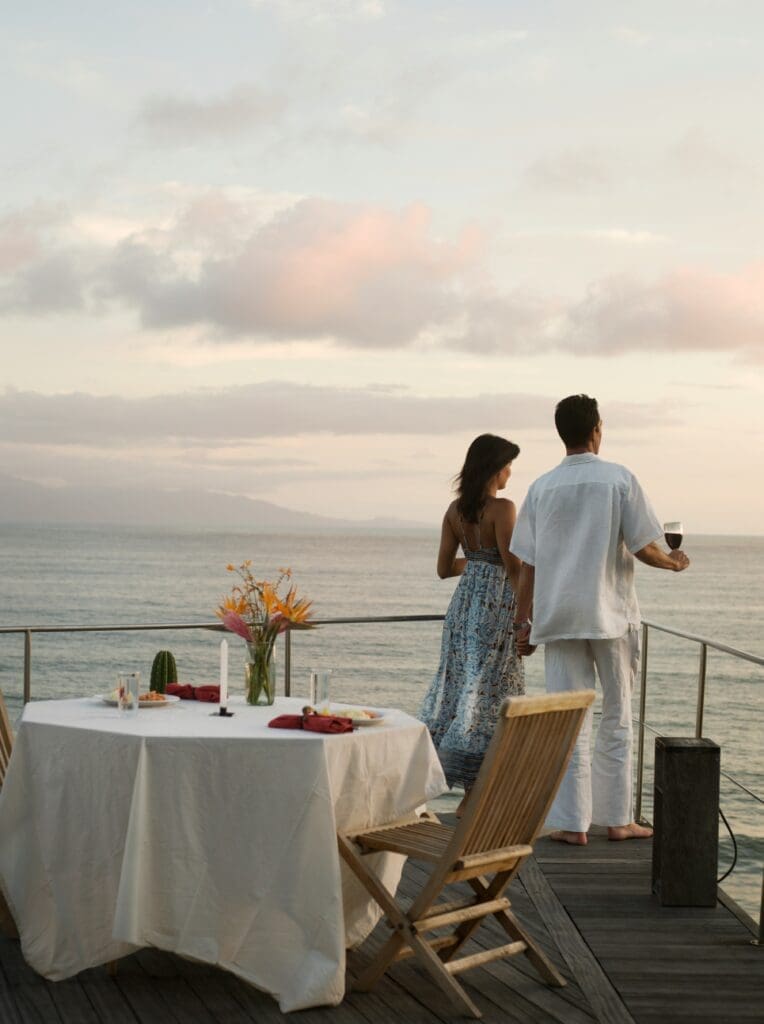
It is arriving at a boutique hotel where someone already knows your name. It is waking up to a private terrace overlooking the sea, not because it is flashy, but because the view makes you slow down and breathe differently. It is having every transfer, reservation, and detail handled seamlessly so your energy can go toward experiencing the destination instead of managing logistics.
At its best, luxury travel creates space.
Space to enjoy the moment.
Space to move more slowly.
Space to travel without stress.
That experience can look very different depending on the traveler.
For some, luxury means a five-star resort tucked into the cliffs of Greece with private plunge pools and sunset dinners overlooking the caldera. For others, it means a luxury safari camp in Kenya where mornings begin with wildlife sightings and evenings end beside a fire under the stars. Sometimes luxury is a suite aboard a river cruise drifting through Europe. Sometimes it is a beautifully restored countryside villa in Tuscany where every detail feels thoughtful and timeless.
Luxury is rarely one-size-fits-all.
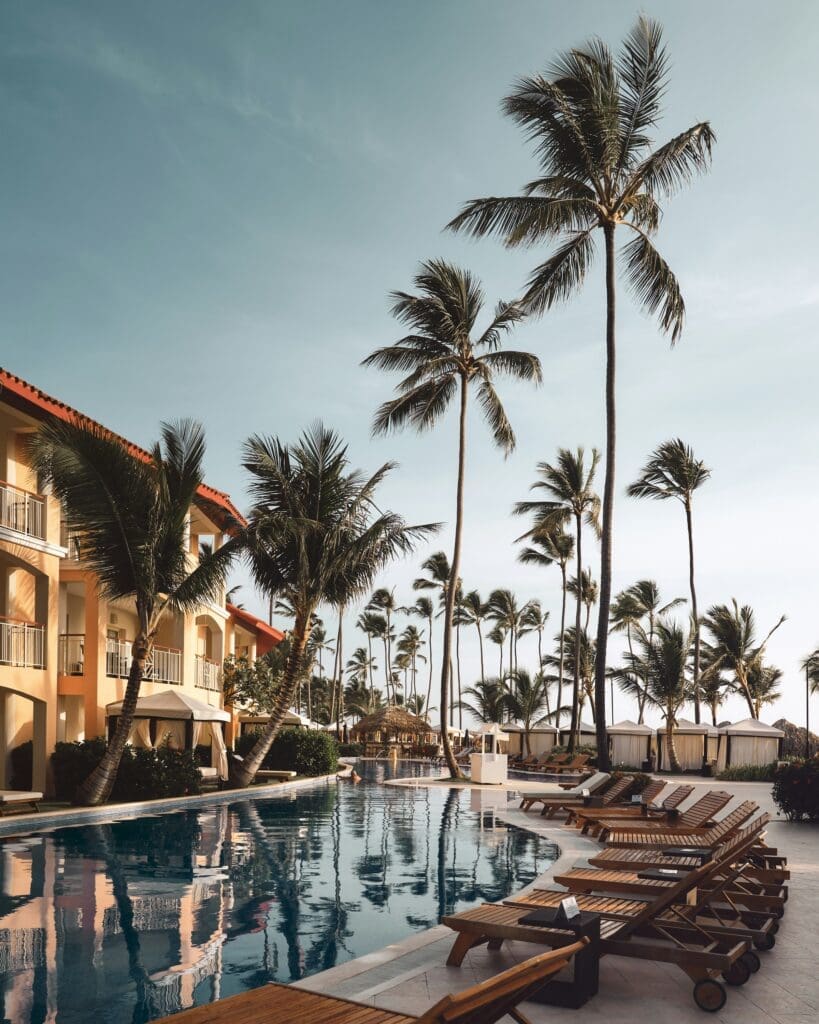
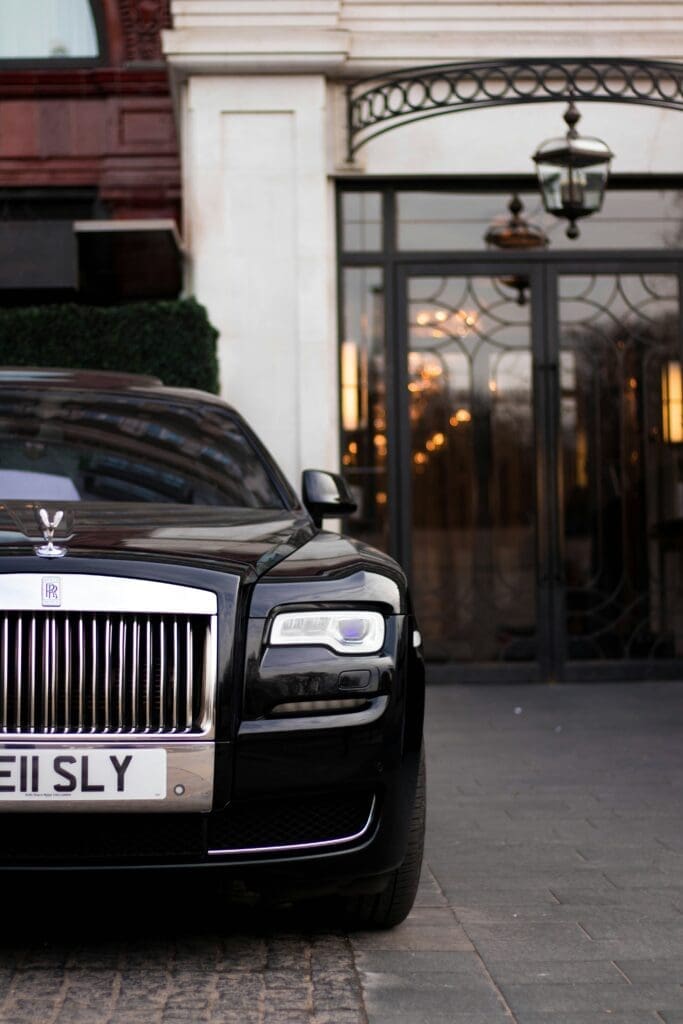
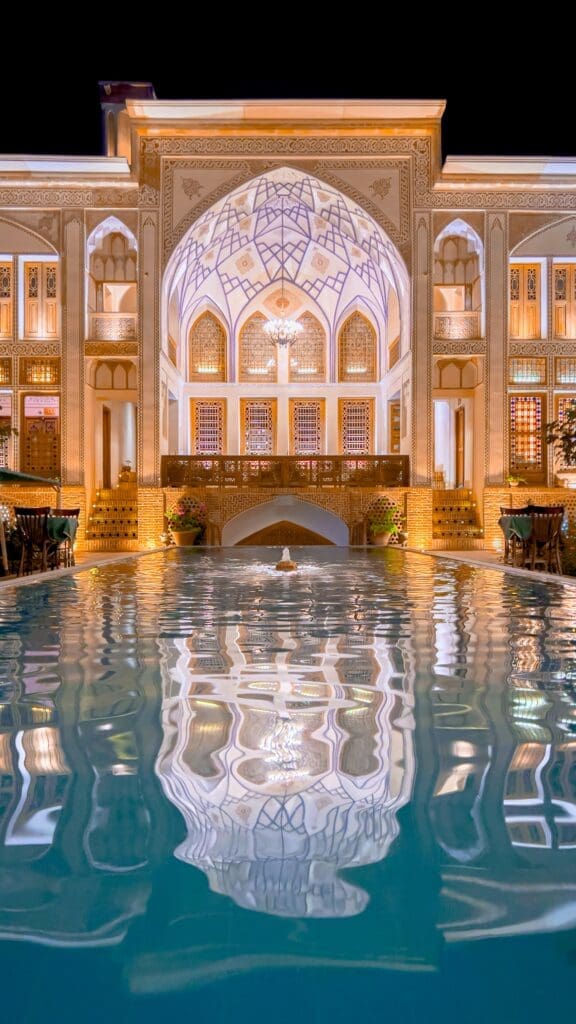
What makes luxury travel so appealing is not just the accommodations themselves, but how the entire experience feels more curated and intentional. The best luxury trips are designed around the traveler rather than forcing the traveler into a rigid itinerary.
Instead of rushing through five cities in seven days, luxury travel often embraces slower, more immersive experiences. Travelers stay longer in fewer places. They prioritize quality over quantity. They choose destinations and properties that allow them to fully experience the atmosphere of a place rather than simply checking it off a list.
In Italy, luxury might mean staying in a restored countryside estate surrounded by vineyards, taking private cooking classes, or enjoying wine tastings in small family-run cellars that most travelers never find on their own. In France, it could look like palace hotels in Paris paired with quiet days in Provence or Champagne.
Meanwhile, destinations like Japan offer a completely different interpretation of luxury—one rooted in minimalism, precision, and hospitality. Staying in a ryokan with traditional kaiseki dining and private onsen baths feels luxurious not because it is extravagant, but because every detail is so thoughtful and intentional.
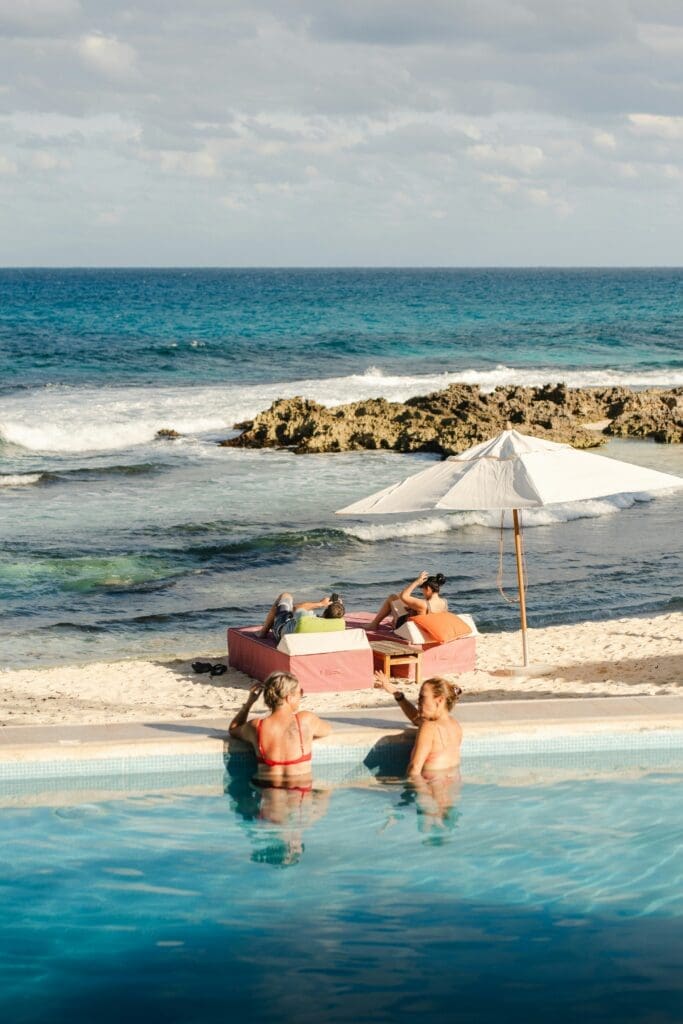
Luxury travel also opens the door to experiences that are difficult to replicate independently. Private guides, after-hours museum access, luxury train journeys, yacht charters, expedition cruises, wellness retreats, and exclusive culinary experiences all allow travelers to engage with destinations in a more intimate way.
And contrary to what many people assume, luxury travel does not always mean ultra-expensive or unattainable. Sometimes it simply means investing in the parts of a trip that matter most to you. A traveler may choose a beautiful hotel in one destination while prioritizing private transfers and seamless logistics elsewhere. Another may splurge on a once-in-a-lifetime safari while keeping the rest of the itinerary more balanced.
The real value of luxury travel often lies in what it removes.
The stress of navigating complicated transportation.
The exhaustion of poorly planned itineraries.
The frustration of wasting valuable vacation time.
Luxury creates smoothness. Comfort. Ease.
It allows travelers to feel present instead of overwhelmed.
This style of travel is especially appealing for milestone trips—honeymoons, anniversaries, birthdays, retirement celebrations, or multigenerational family journeys where the experience itself becomes part of the memory. But luxury travel is also becoming increasingly popular among travelers who simply want fewer trips that feel more meaningful.
Rather than taking several rushed vacations each year, many travelers are choosing one carefully designed experience that feels elevated, immersive, and unforgettable.
Some of the best destinations in the world for luxury travel naturally combine scenery, hospitality, and experiences in a seamless way.
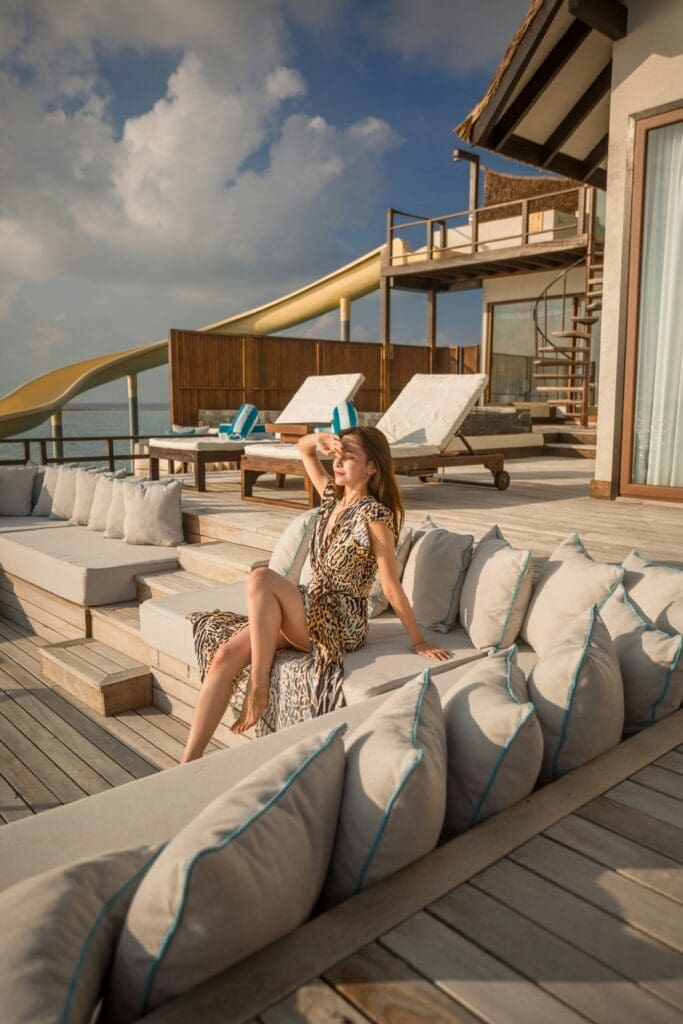
Maldives remains iconic for overwater villas and private island escapes. Switzerland pairs dramatic scenery with legendary hospitality and luxury rail experiences. South Africa combines wine regions, cosmopolitan cities, and safari lodges into one extraordinary journey. And destinations like United Arab Emirates continue redefining modern luxury with architectural ambition, world-class hotels, and highly curated experiences.
But ultimately, luxury travel is less about showing off and more about how a trip feels while you are living it.
It is the calmness of knowing every detail has been handled.
The joy of experiencing a destination deeply instead of hurriedly.
The comfort of returning from a trip feeling restored instead of exhausted.
Because the most memorable luxury experiences are not always the most extravagant ones.
They are the ones that make you feel completely present in the moment.


Be the first to comment