
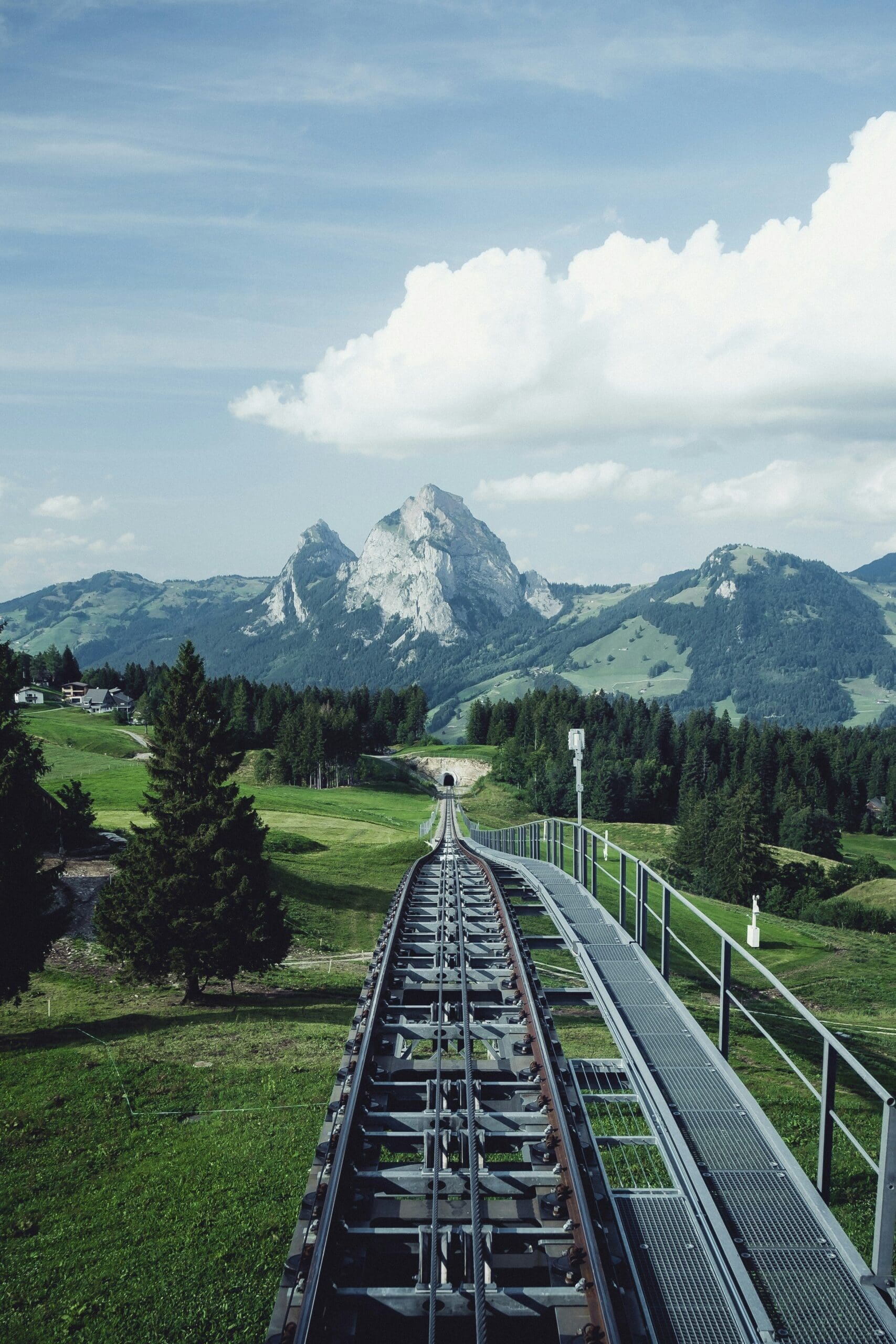
There is something deeply romantic about train travel.
Perhaps it is the rhythm of the tracks, the constantly changing scenery outside the window, or the feeling that the journey itself matters just as much as the destination. In a world obsessed with getting somewhere faster, rail travel invites people to do the opposite—to slow down and actually experience the landscape in between.
And that is what makes rail journeys feel different from every other style of travel.
You are not simply arriving somewhere.
You are moving through a destination instead of over it.
Mountains unfold gradually outside the window. Villages appear and disappear beside rivers. Vineyards stretch across rolling hills for miles before giving way to dramatic coastlines or snow-covered peaks. The transition between places feels natural instead of abrupt, allowing travelers to truly understand the geography and atmosphere of a region.
Rail travel turns transportation into part of the experience itself.
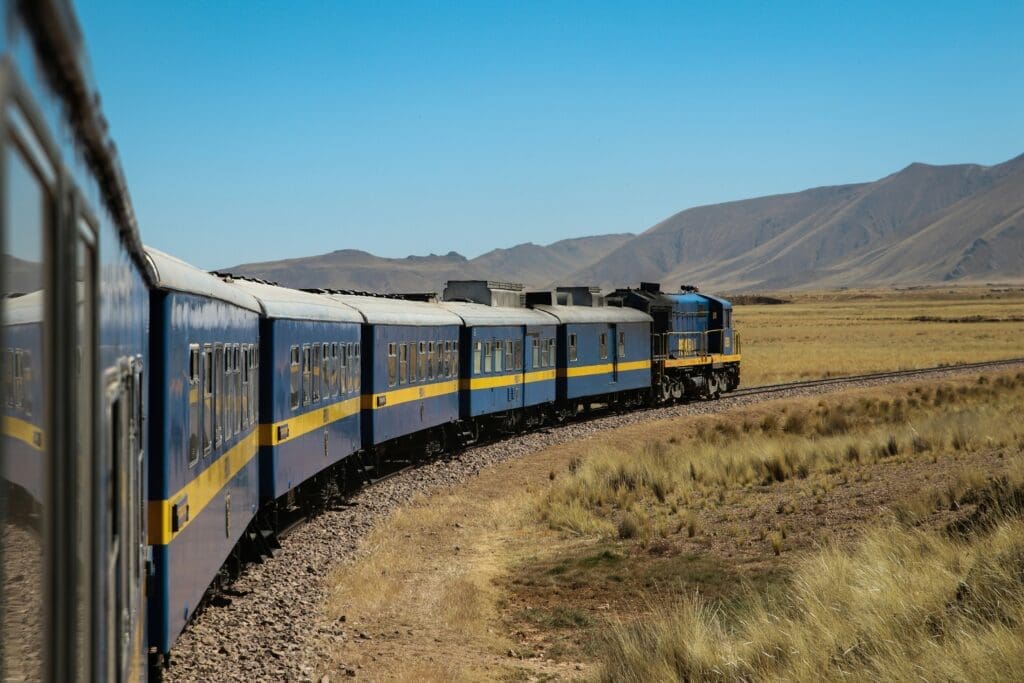
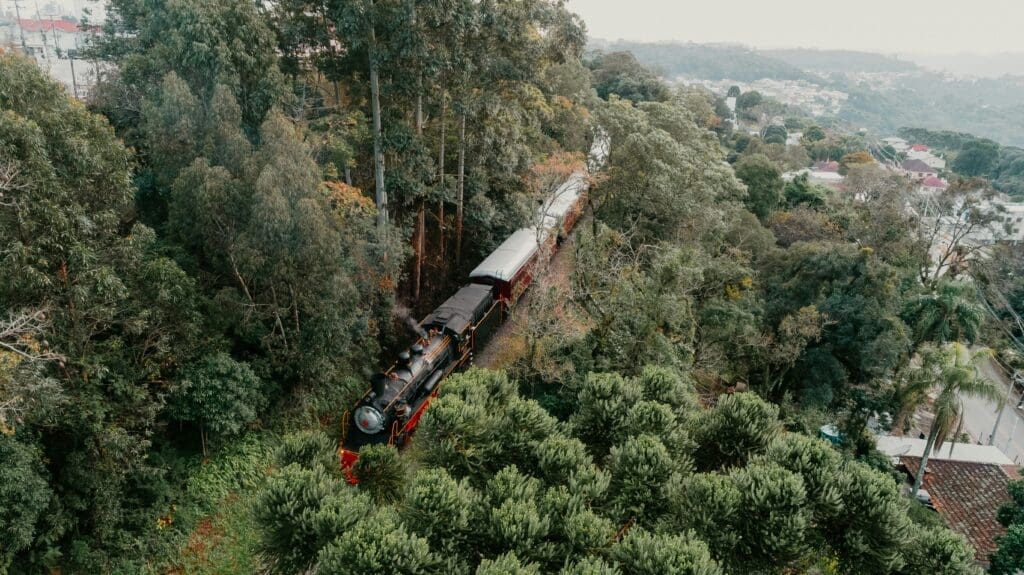
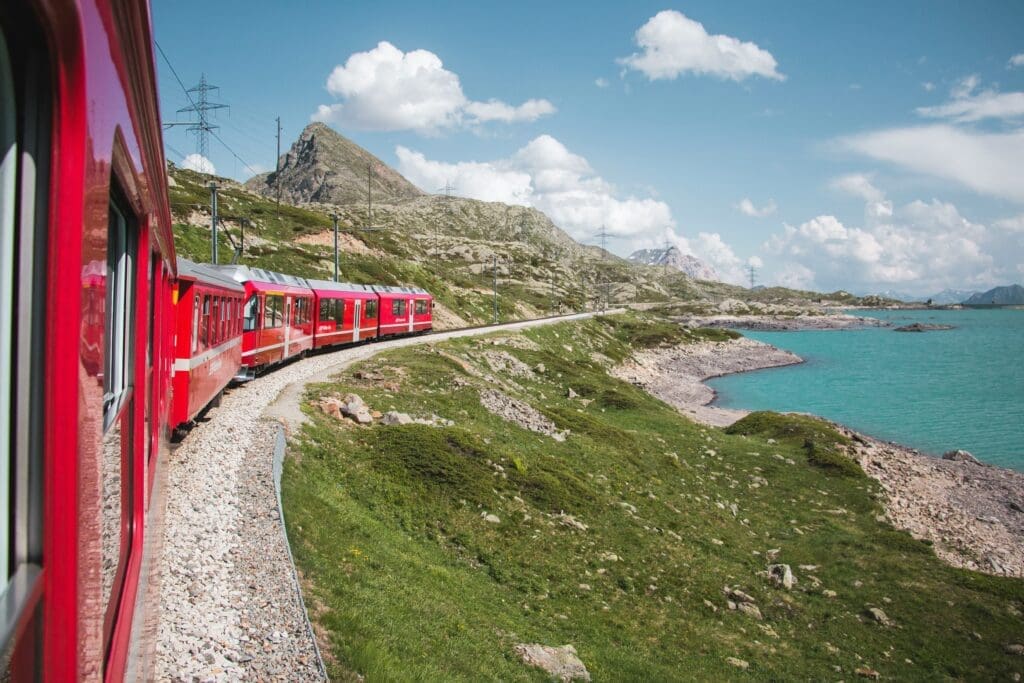
Some of the world’s most unforgettable rail journeys are not about luxury at all—they are about scenery, atmosphere, and connection to place.
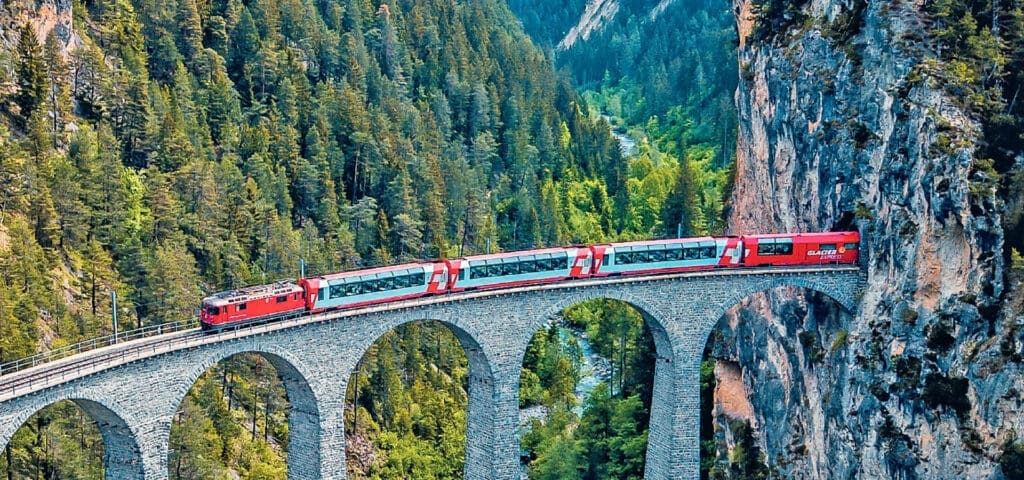
In Switzerland, trains glide through alpine valleys, beside turquoise lakes, and across mountain passes that feel almost unreal. Routes like the Glacier Express and Bernina Express transform travel days into panoramic experiences where travelers spend hours simply watching the landscape unfold outside enormous windows.
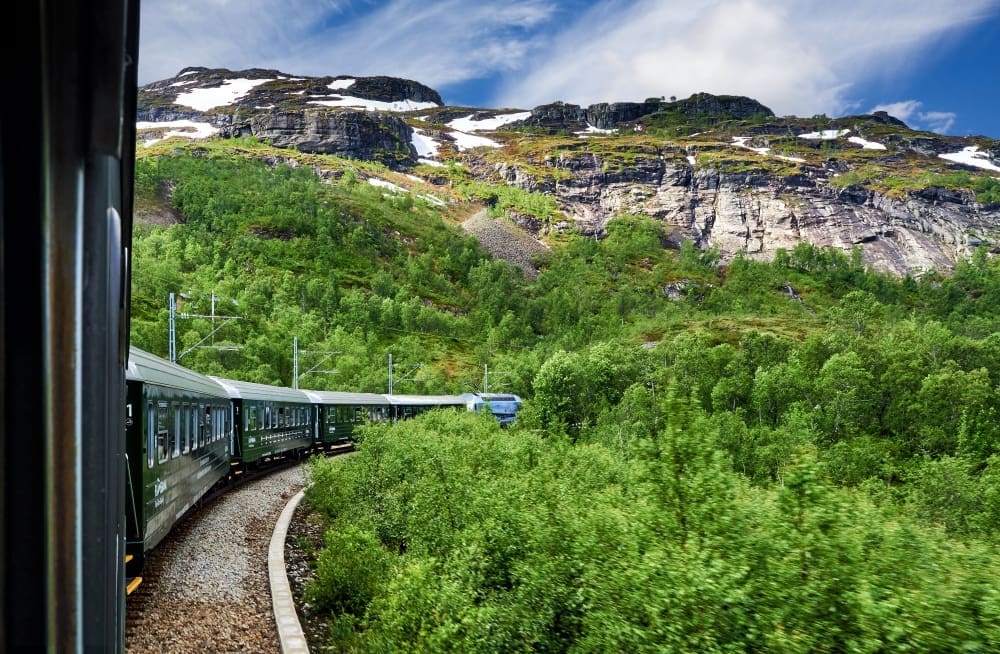
Meanwhile, in Norway, rail journeys wind through dramatic fjords, waterfalls, and snow-covered terrain that shifts dramatically with the seasons. Traveling by train here feels immersive in a way flights never could.
Elsewhere, rail travel becomes deeply cultural.
In Japan, the train system reflects the country itself—precise, efficient, thoughtful, and beautifully designed. High-speed Shinkansen trains connect modern cities seamlessly, while scenic regional routes reveal quieter countryside landscapes many travelers never experience.
Some rail journeys feel timeless and luxurious, almost like stepping into another era of travel.
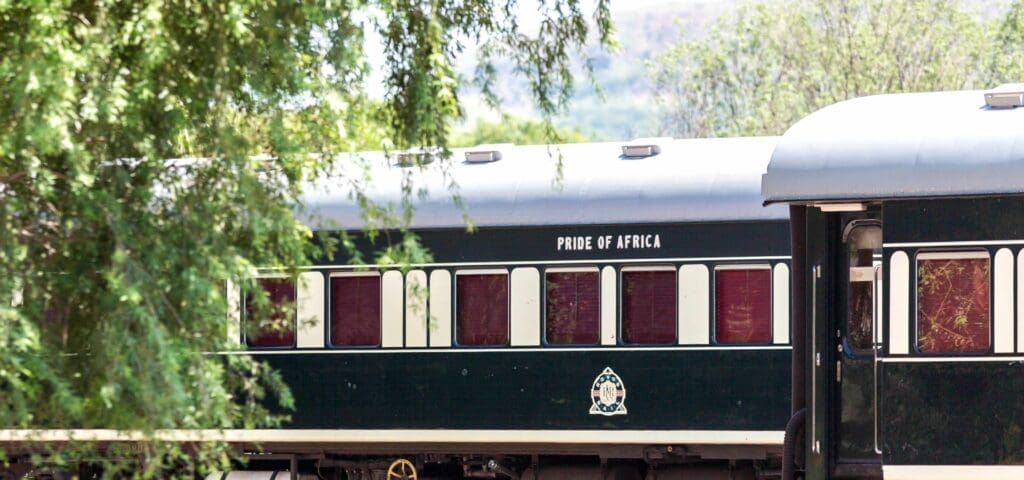
In South Africa, luxury trains such as Rovos Rail combine elegant suites, fine dining, and slow travel across dramatic landscapes. Days are spent watching the countryside drift past while evenings feel reminiscent of classic old-world travel, complete with formal dinners and observation cars.
Across Europe, overnight trains are also experiencing a resurgence as travelers embrace slower, more sustainable ways of moving between cities. Instead of losing a day to airports, travelers fall asleep in one destination and wake up in another. The journey feels seamless and surprisingly peaceful compared to the stress of modern air travel.
Rail travel also has a way of encouraging spontaneity.
Travelers stop in smaller towns they may have otherwise overlooked. They linger longer in places they unexpectedly fall in love with. A route planned around transportation suddenly becomes the trip itself.
That is especially true in destinations like Sri Lanka, where train rides through tea plantations and misty hillsides become one of the most memorable parts of the journey. Or in Canada, where routes through the Rockies reveal landscapes so vast they feel almost impossible to comprehend from the ground.
Rail journeys also naturally pair with travelers who value immersion over speed. Instead of rushing through five cities in a week, train travel encourages travelers to slow down, stay longer, and enjoy the experience of moving gradually through a region.
The stations themselves often become part of the atmosphere too. Grand historic terminals, tiny countryside platforms, bustling commuter hubs, elegant sleeper cabins—rail travel creates moments that feel cinematic in ways airports rarely do.
And perhaps that is why so many travelers fall in love with it.
Because rail journeys remind us that travel is not only about where we go.
It is about how we move through the world while getting there.
The changing scenery.
The quiet mornings watching landscapes pass by.
The conversations over dinner in a dining car.
The feeling of seeing a country unfold slowly outside your window.
Rail travel gives people something modern travel often forgets to offer:
The chance to enjoy the journey itself.


Be the first to comment