
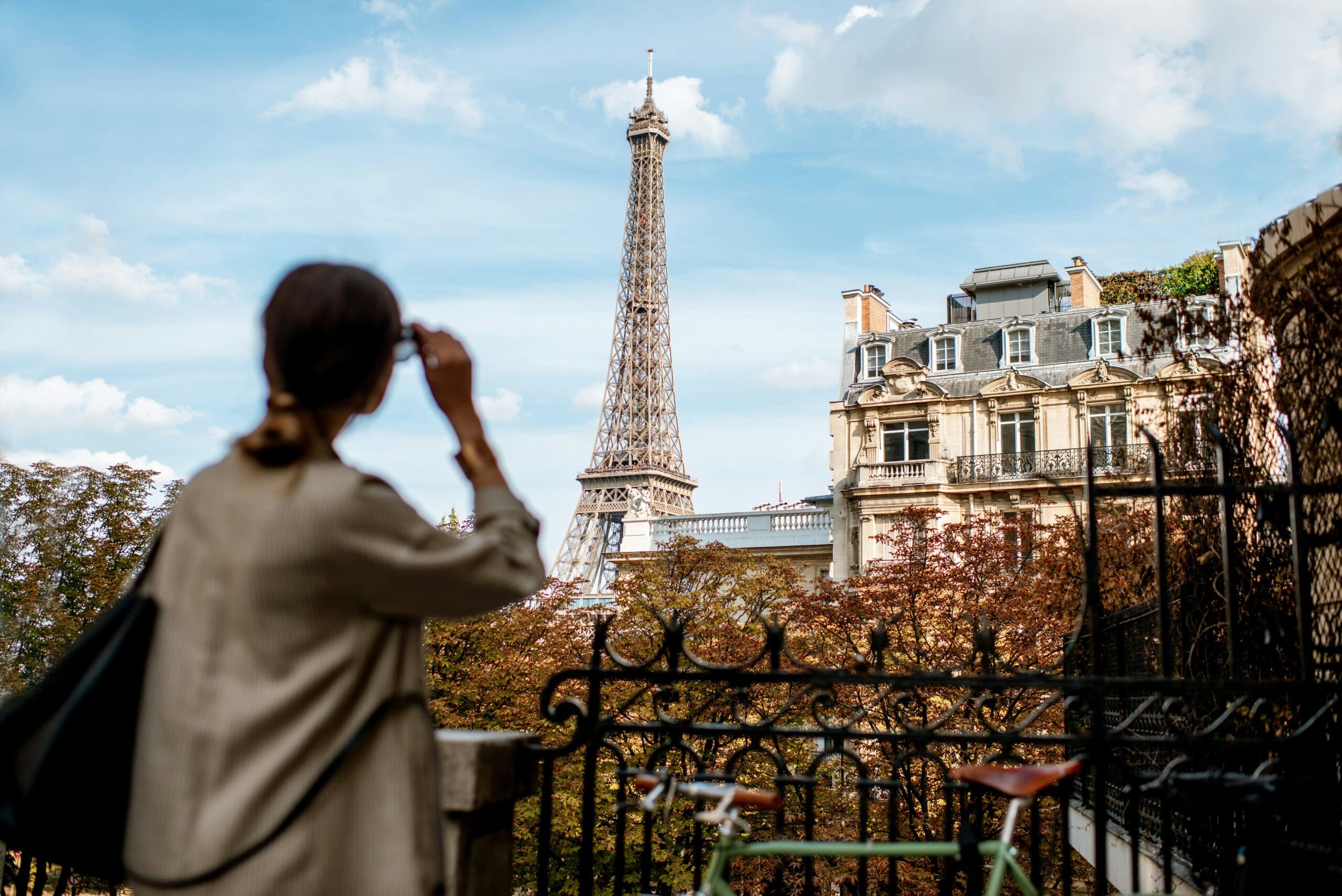
France is one of those destinations that travelers return to again and again, not because they have seen everything, but because every region feels like a completely different experience. One trip may be centered around café terraces and museums in Paris, while another is spent driving through vineyard-covered countryside, exploring coastal villages, or discovering alpine towns tucked beneath snow-capped peaks.
France is far more than its famous landmarks. It is long lunches that stretch into the afternoon, local markets overflowing with cheese and wine, scenic train rides through changing landscapes, and evenings that feel effortlessly elegant without trying too hard.
What makes France so rewarding is the variety. You can spend your mornings exploring medieval villages, your afternoons tasting wine in centuries-old cellars, and your evenings dining in cities that feel timeless. Whether you are drawn to culture, food, history, luxury, countryside escapes, or coastal beauty, France offers a style of travel that feels immersive rather than rushed.
Regions of France
Paris & Île-de-France
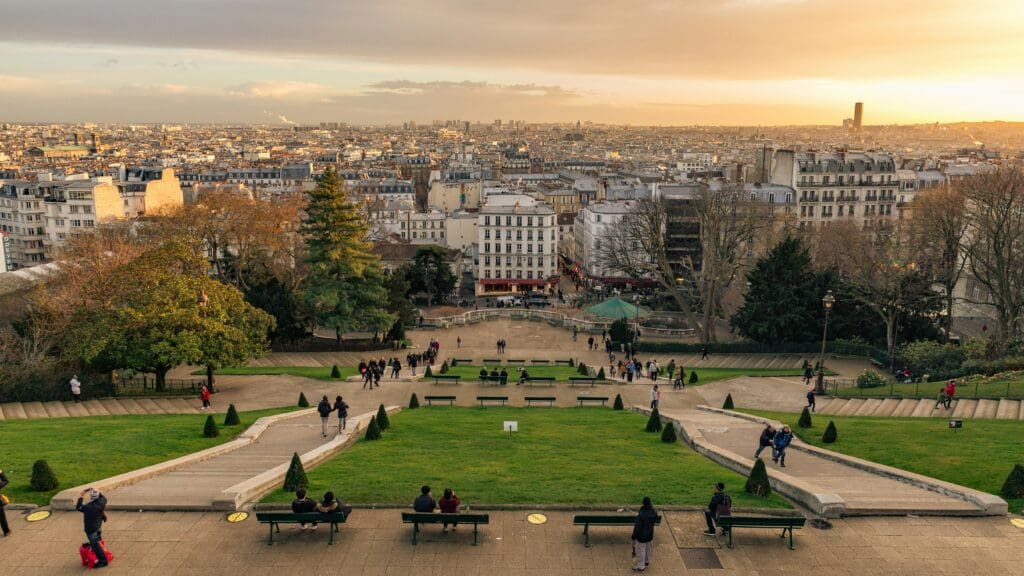
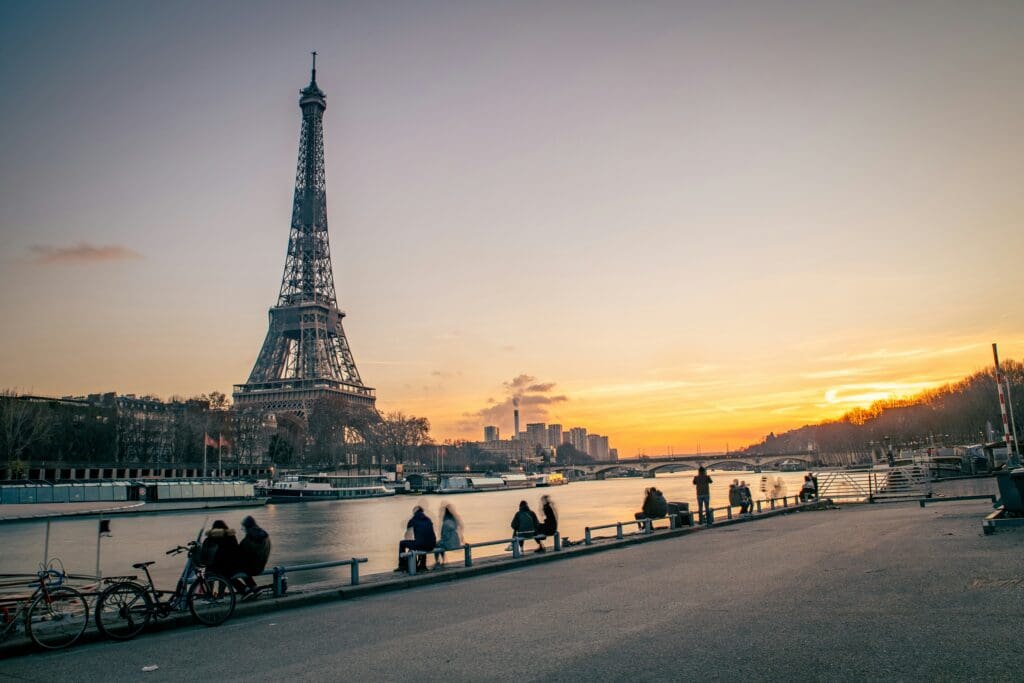
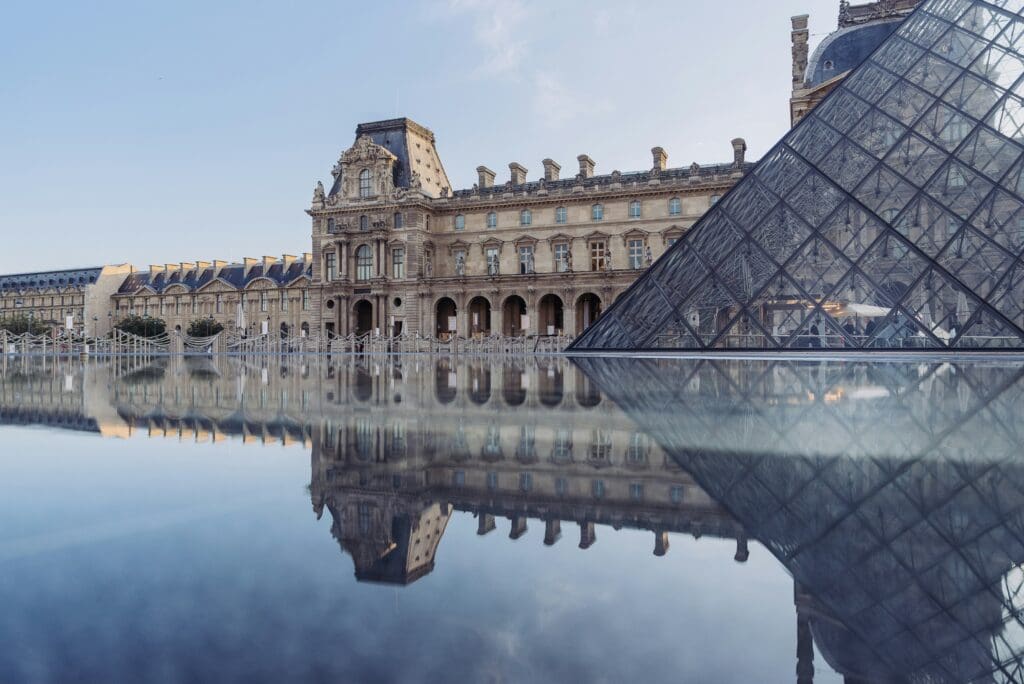
For many travelers, Paris is the beginning of their relationship with France. The city blends iconic landmarks with quiet neighborhood cafés, riverside walks, world-famous museums, and an atmosphere that feels cinematic year-round.
Beyond Paris itself, the surrounding region includes grand palaces such as Versailles, charming villages, and easy day trips that complement a city stay beautifully.
Provence & the French Riviera
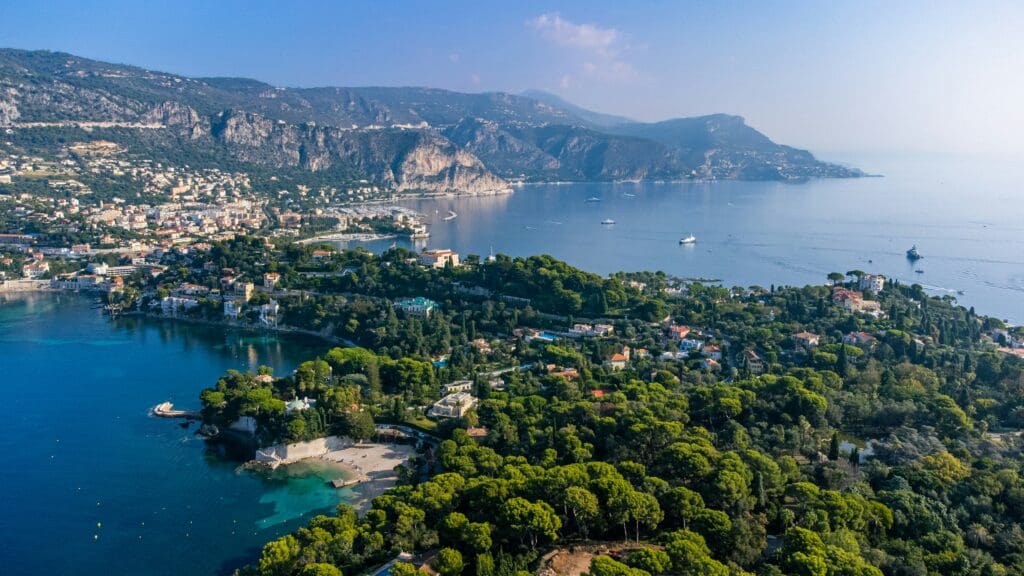
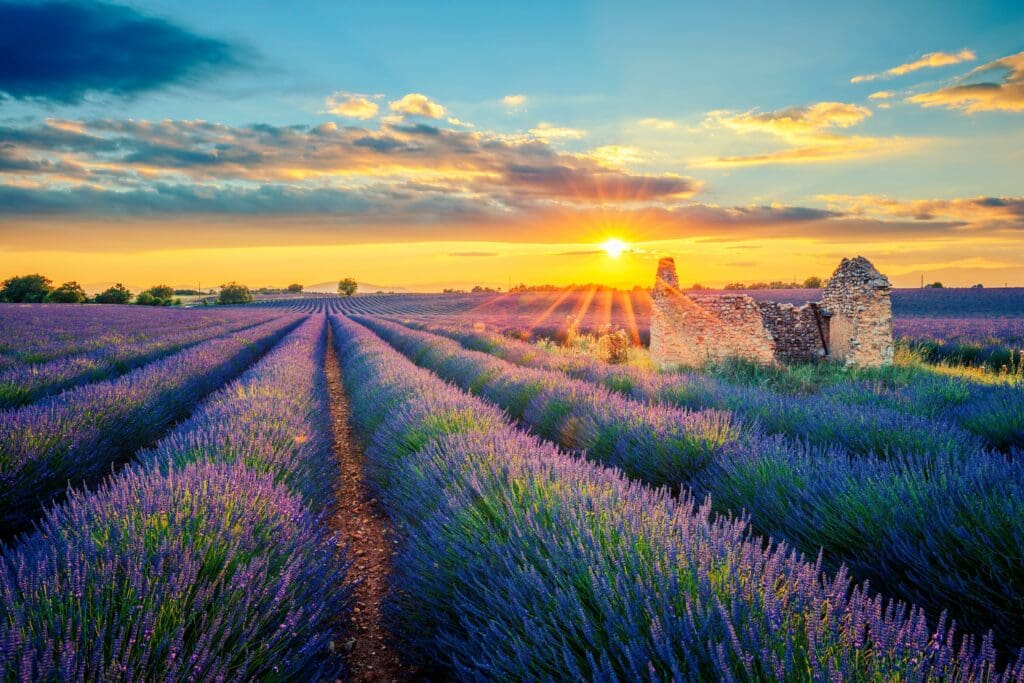
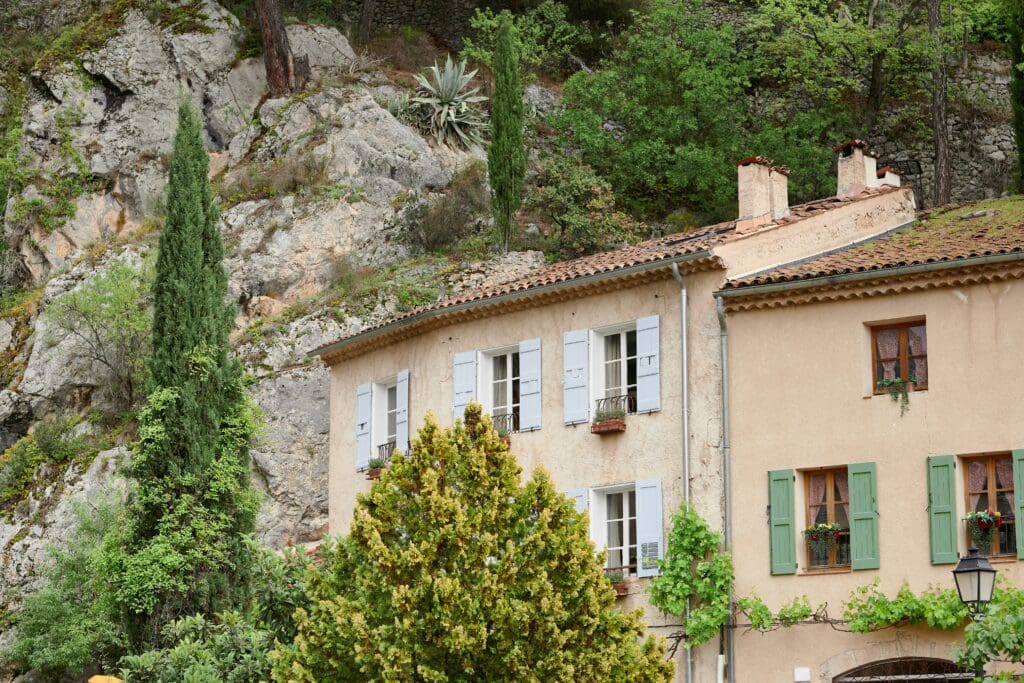
Southern France combines lavender fields, hilltop villages, Mediterranean coastline, and sun-soaked markets. Provence moves at a slower pace, while the French Riviera offers glamorous coastal towns, beach clubs, and scenic drives along the sea.
This region is ideal for travelers who enjoy food, wine, markets, and beautiful countryside mixed with coastal relaxation.
Normandy & Brittany
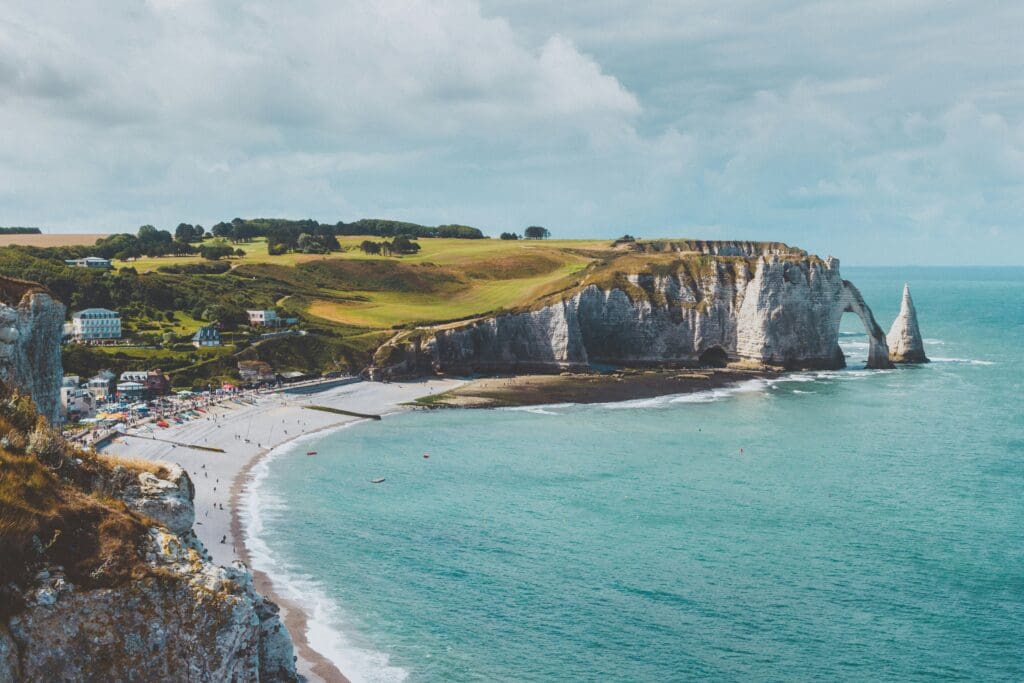
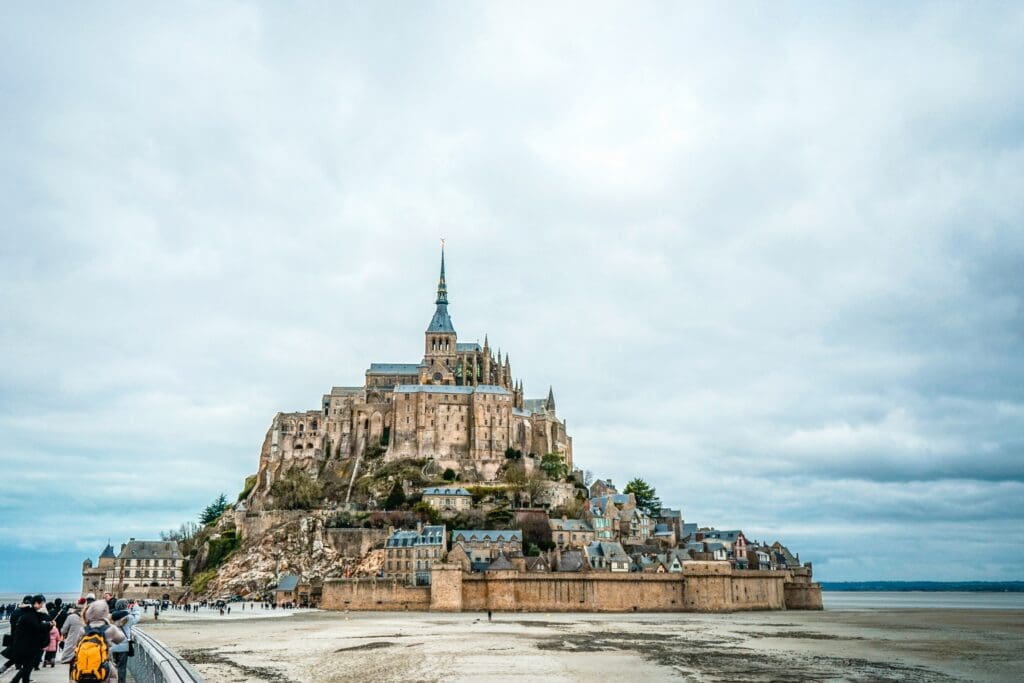
Northern France offers rugged coastlines, historic villages, dramatic tides, and deep historical significance. Normandy is known for the D-Day landing beaches and Mont-Saint-Michel, while Brittany feels distinctly Celtic with wild coastal scenery and traditional culture.
This region works especially well for slower road trips and travelers interested in history and coastal landscapes.
The Loire Valley
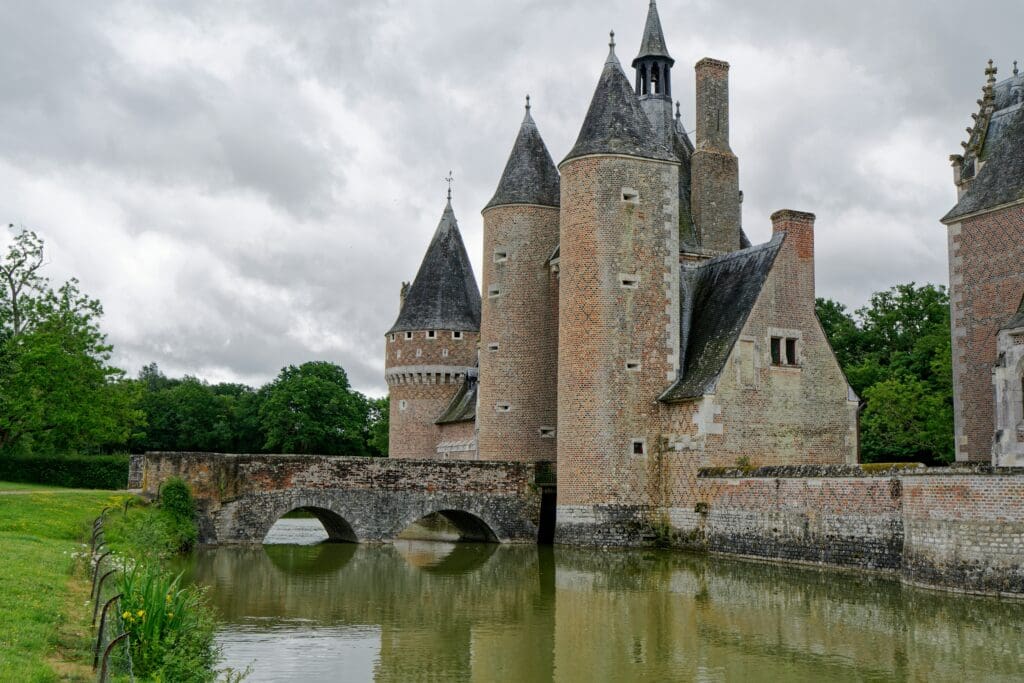
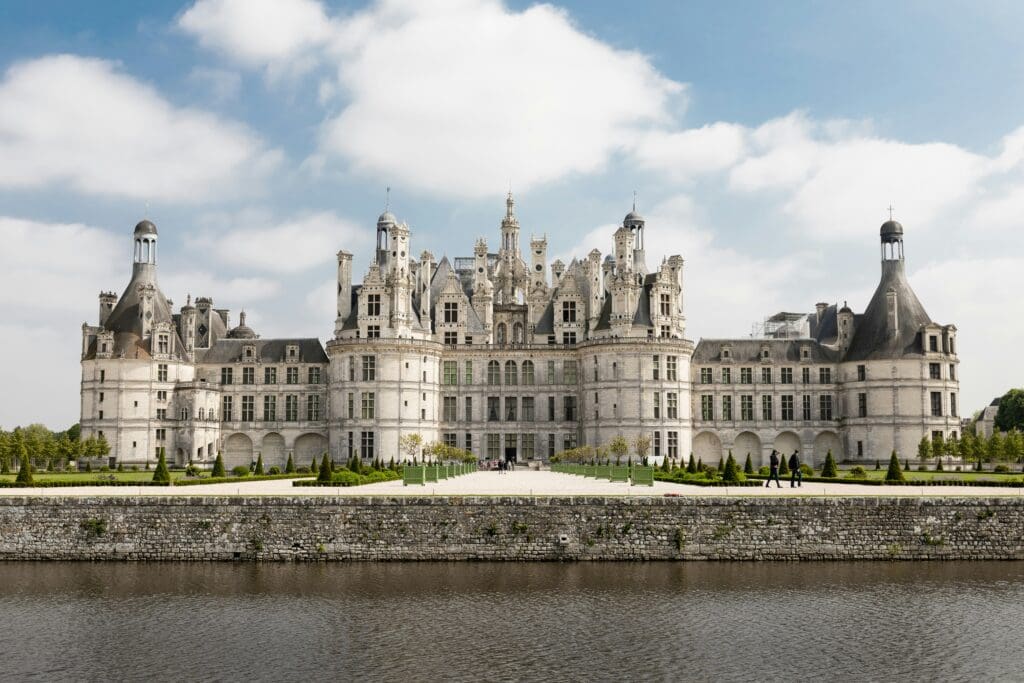
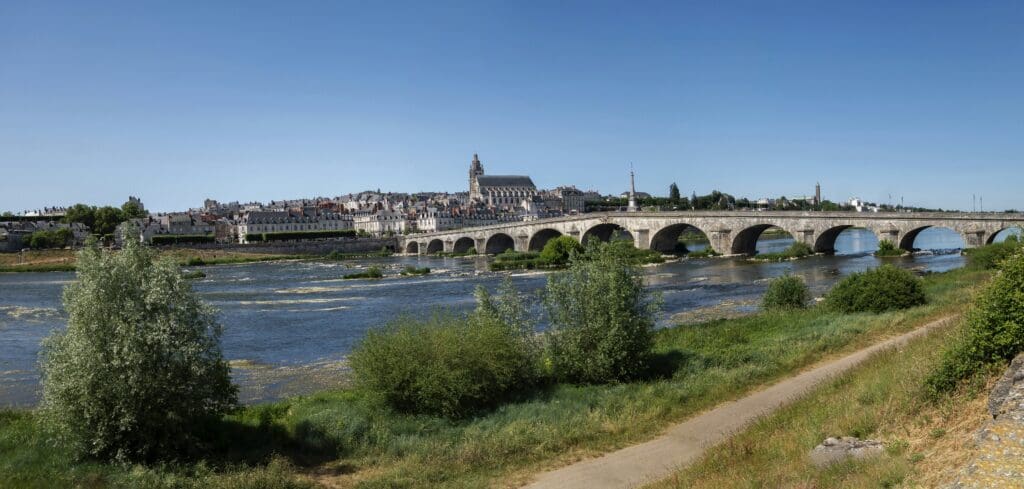
Often called the garden of France, the Loire Valley is filled with elegant châteaux, vineyards, river landscapes, and charming towns. It is one of the best regions for combining history, cycling, wine tasting, and countryside stays.
French Alps
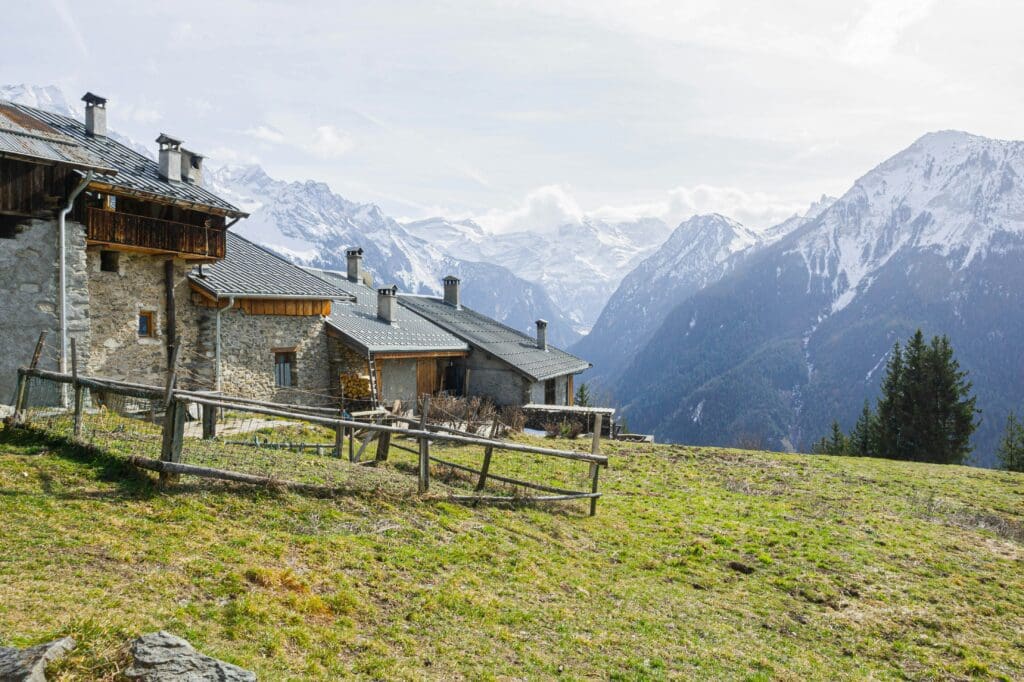
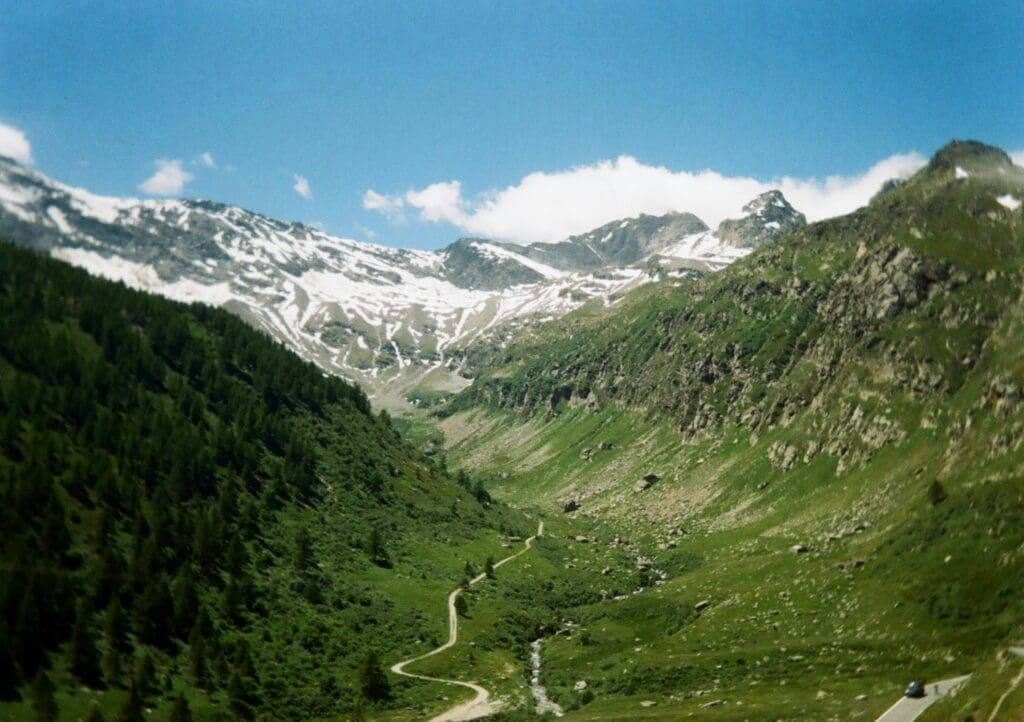
The Alps offer mountain villages, scenic lakes, outdoor adventure, and some of the country’s most breathtaking landscapes. While winter draws skiers, summer brings hiking, alpine lakes, and cooler temperatures.
Alsace
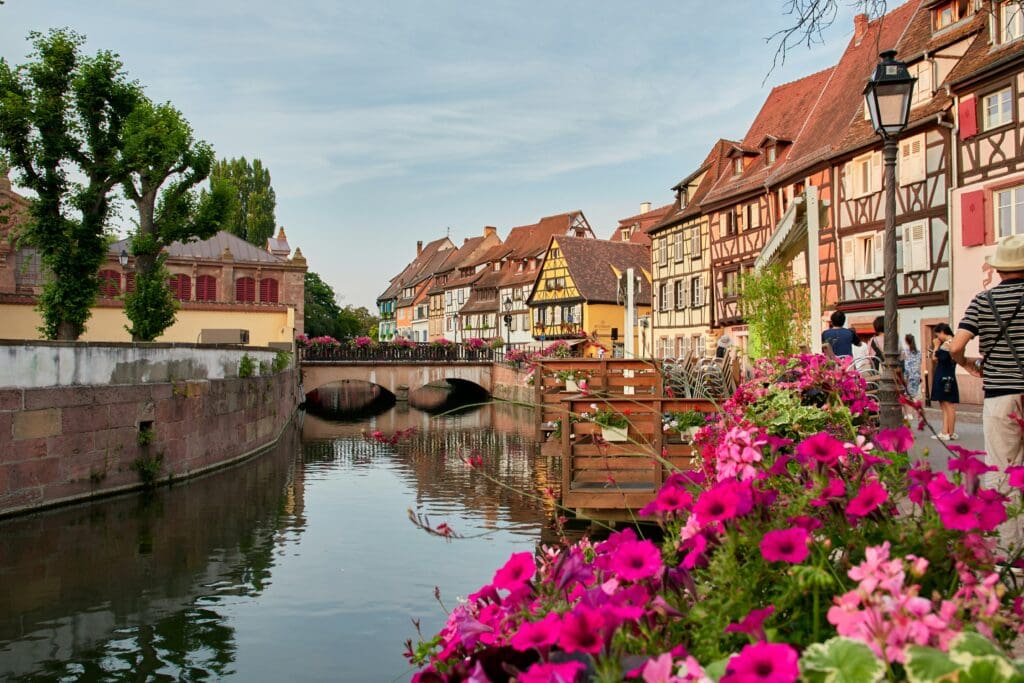
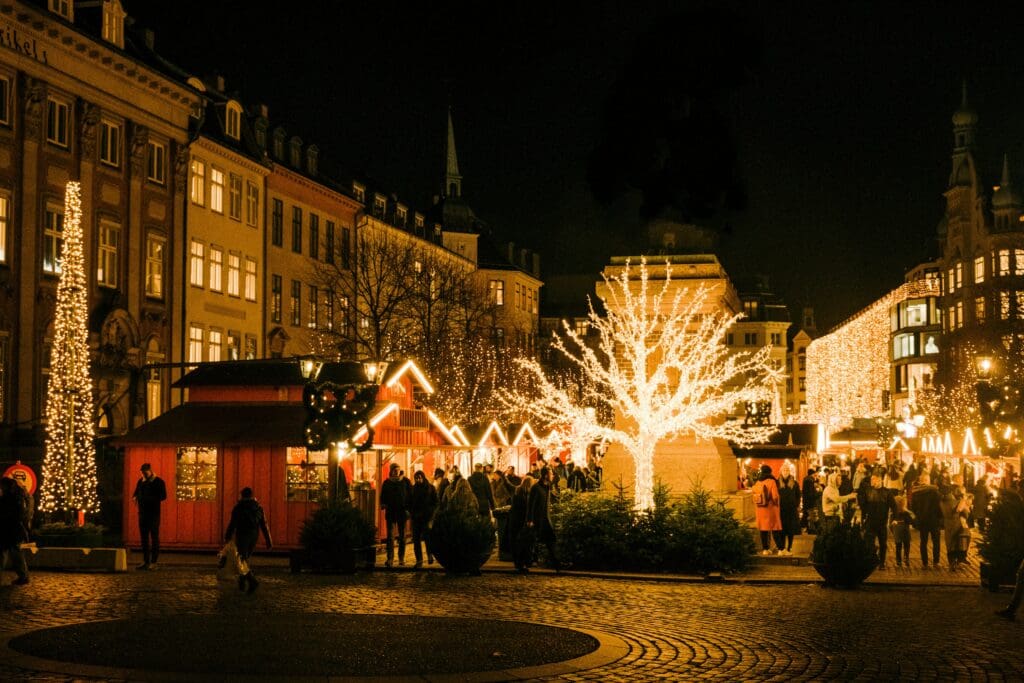
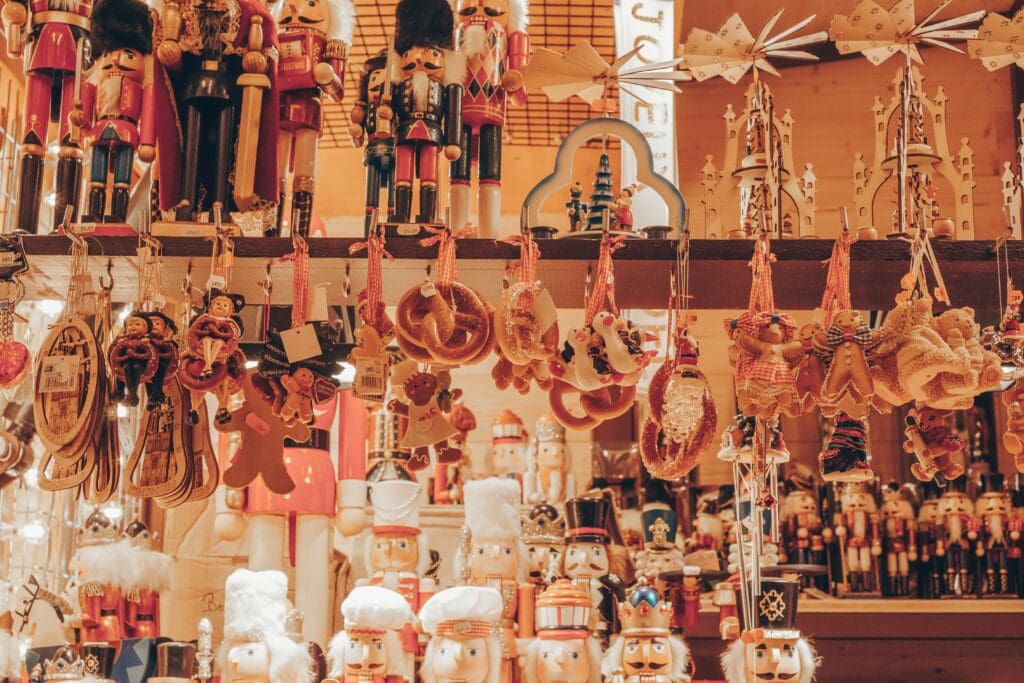
Bordering Germany, Alsace feels completely different from the rest of France. Half-timbered villages, wine routes, Christmas markets, and a blend of French and German influence create one of the country’s most charming regions.
Towns like Colmar and Strasbourg are especially magical during the holiday season.
Best Time to Visit
France is a destination that changes beautifully throughout the year depending on the type of experience you want.
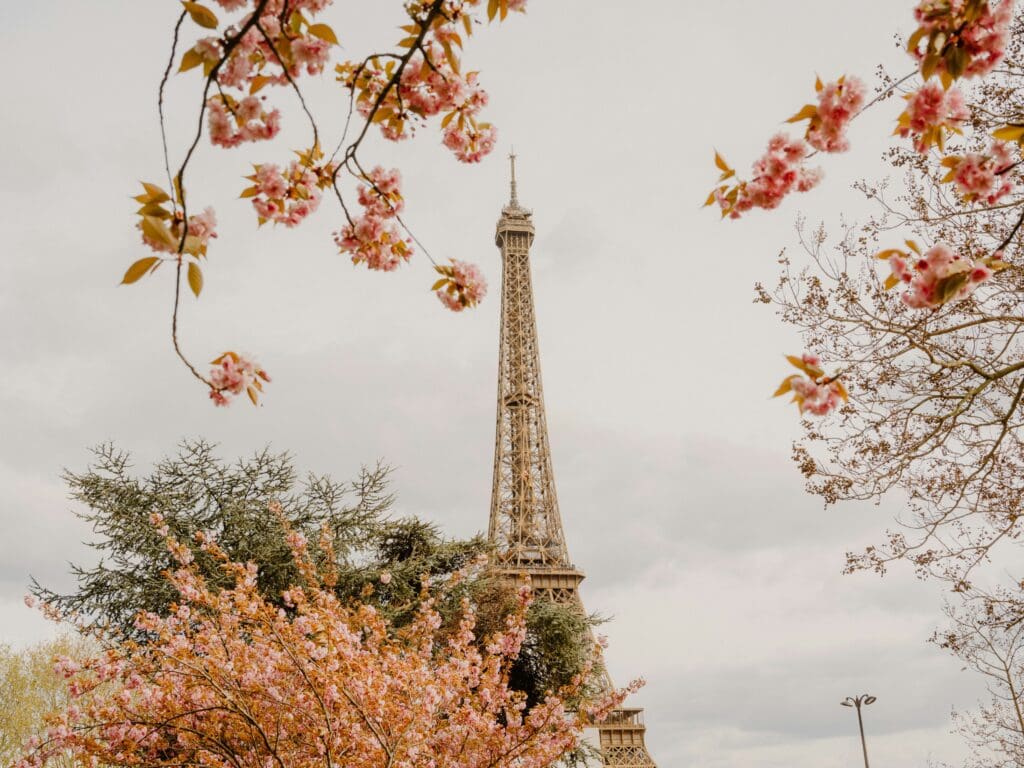
Spring is one of the best times to visit. Gardens bloom, outdoor cafés return, and temperatures are comfortable for sightseeing before summer crowds arrive.
Summer brings long days, festivals, lavender season in Provence, beach weather along the Riviera, and lively city atmospheres. It is also the busiest season, particularly in Paris and southern France.
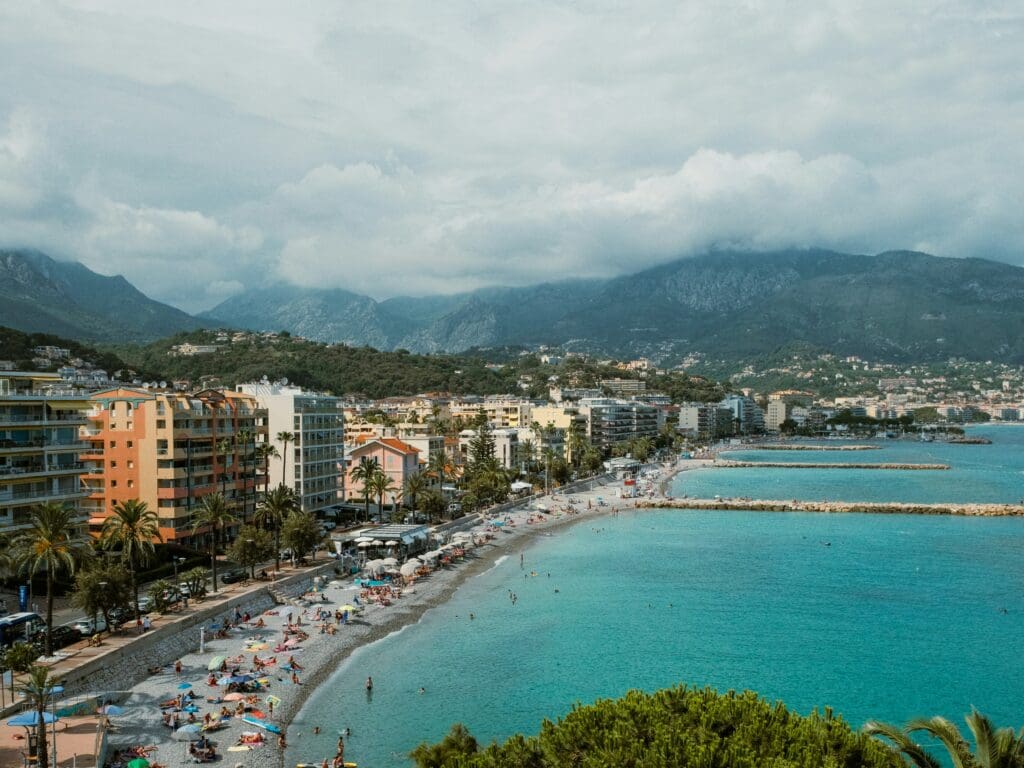
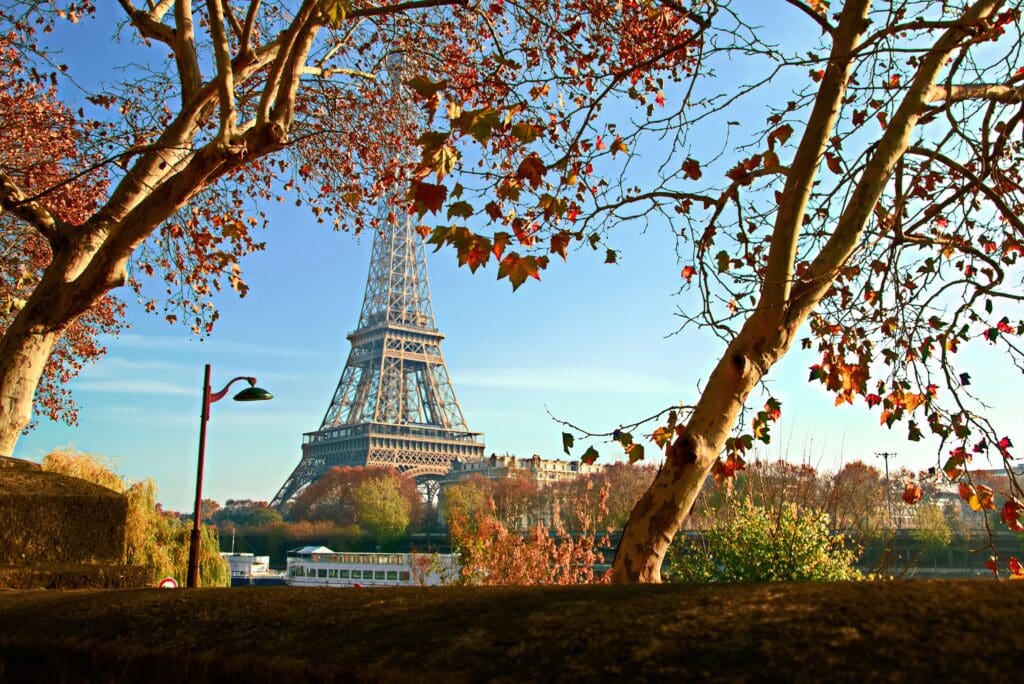
Fall is ideal for wine regions, countryside travel, and a slower pace. Vineyard harvests, cooler temperatures, and golden landscapes make this one of the most rewarding seasons for cultural and culinary travel.
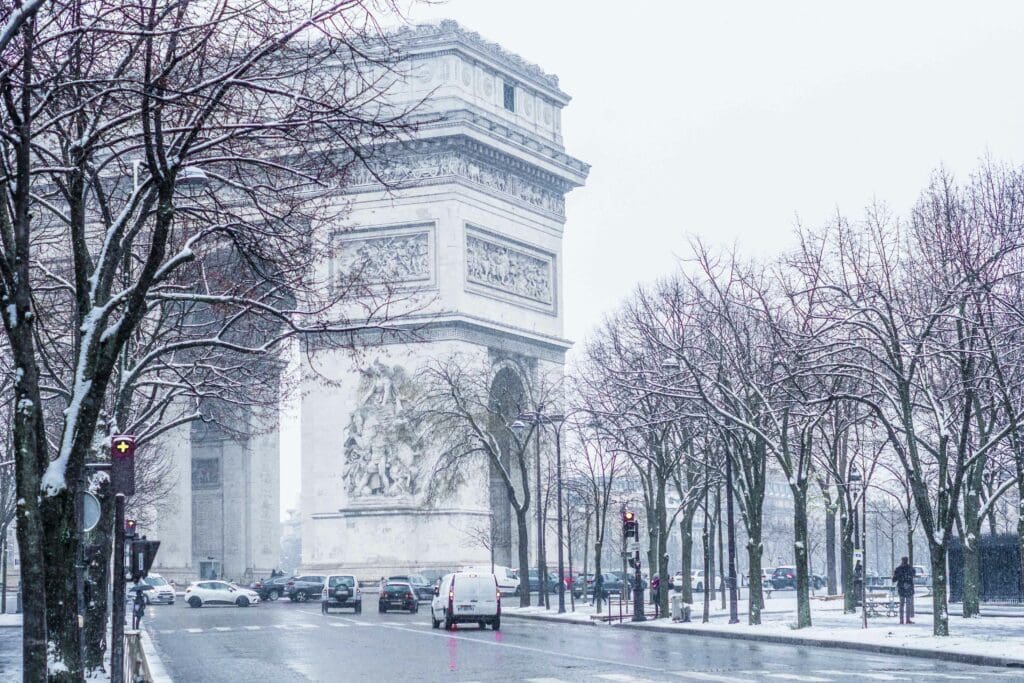
Winter offers Christmas markets in Alsace, festive city atmospheres, skiing in the Alps, and fewer crowds in many destinations outside the holidays.
Getting Around
France has one of Europe’s best transportation networks, making it relatively easy to explore multiple regions in a single trip.
High-speed TGV trains connect major cities quickly and comfortably, including Paris, Lyon, Bordeaux, Strasbourg, Marseille, and Nice. For many itineraries, rail travel is the easiest and most efficient option.
Renting a car becomes more valuable in countryside regions such as Provence, Normandy, the Loire Valley, or smaller villages where train access is limited.
Paris itself is best explored using the metro and walking. Driving within the city is generally unnecessary and often stressful due to traffic and parking limitations.
Domestic flights exist, but for many routes, trains are equally fast once airport transfers and security are considered.
Food in France
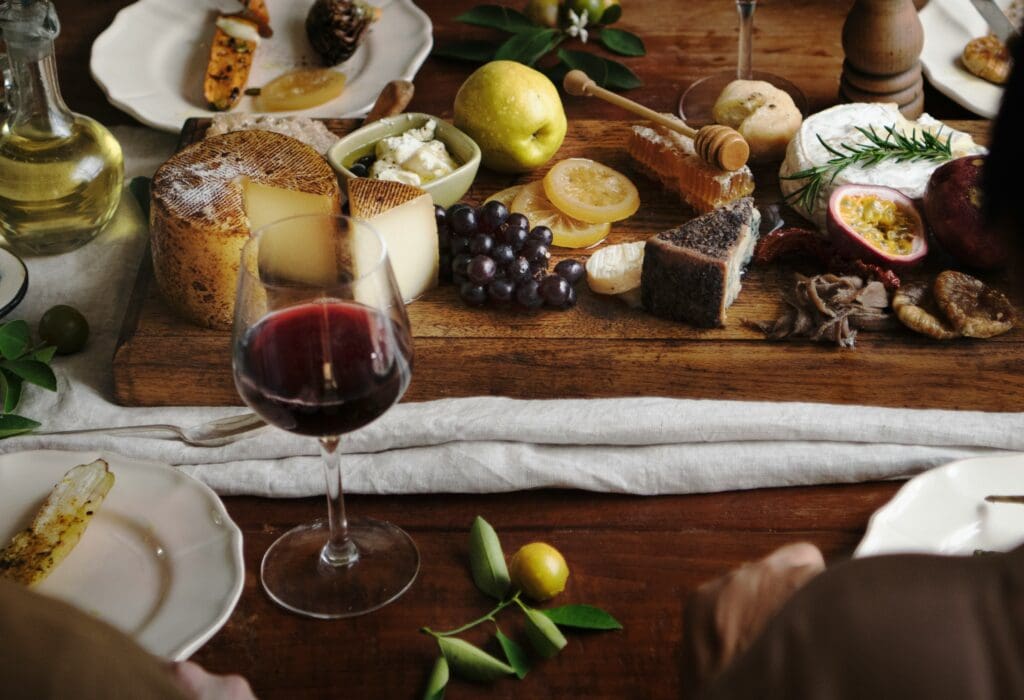
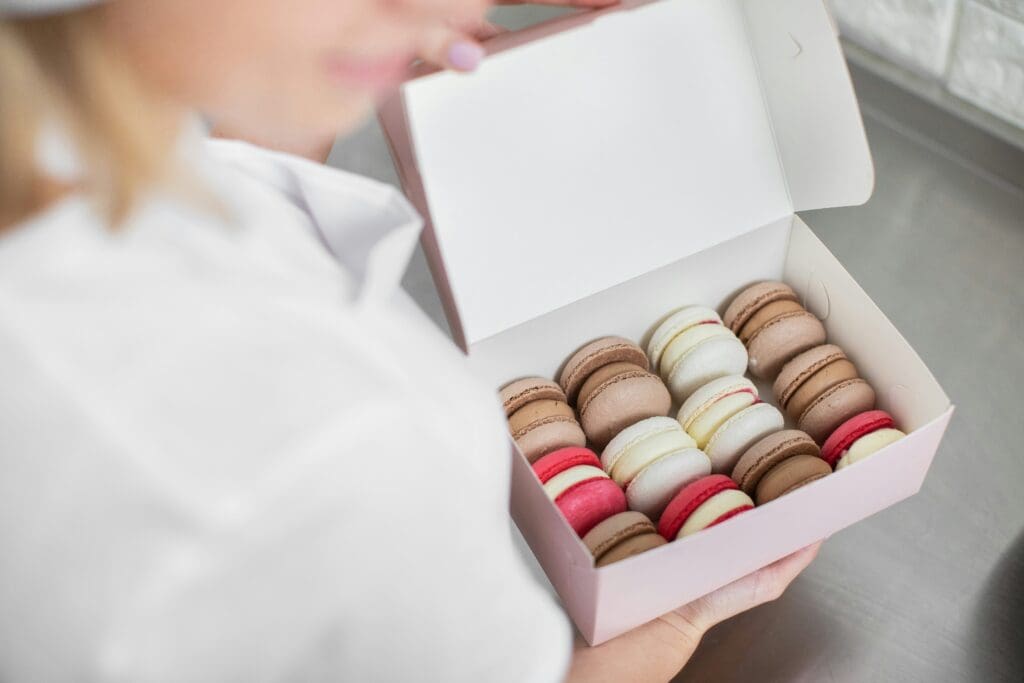
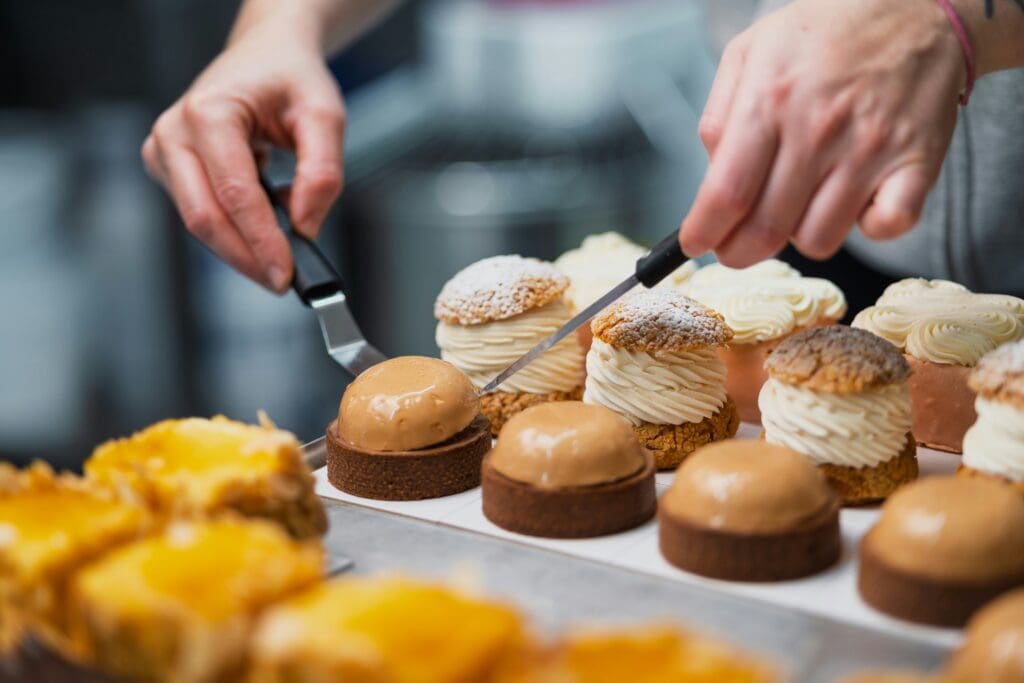
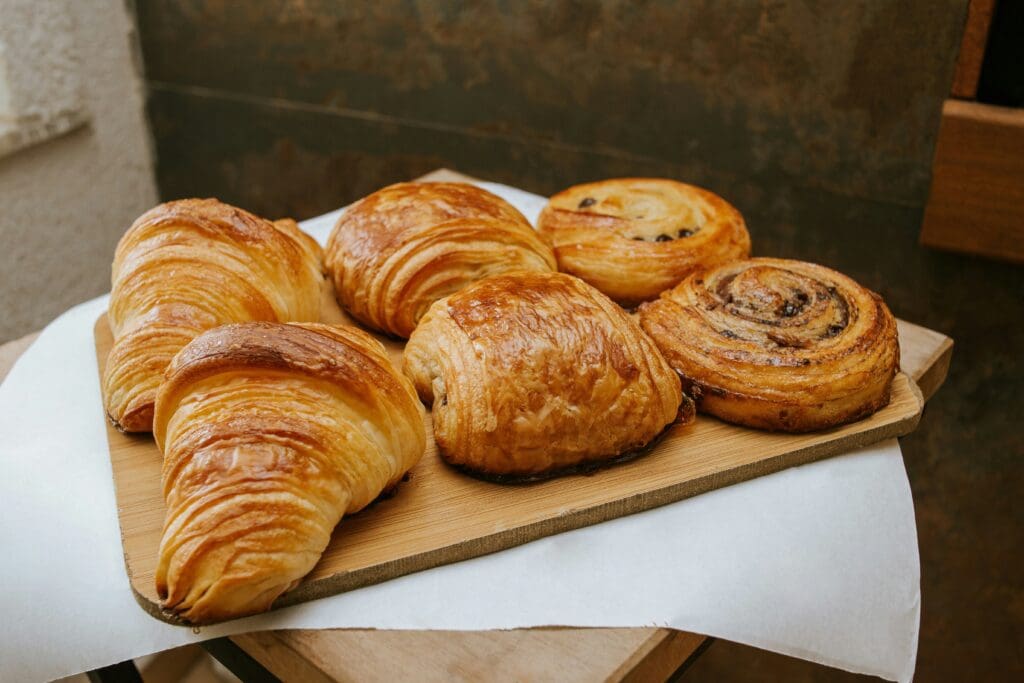
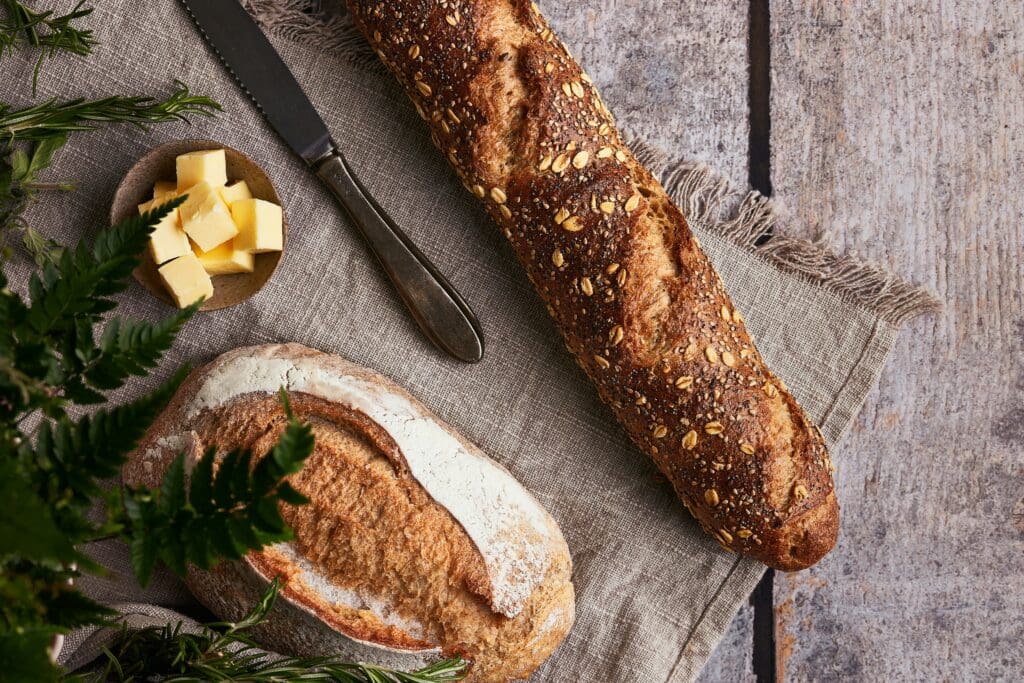
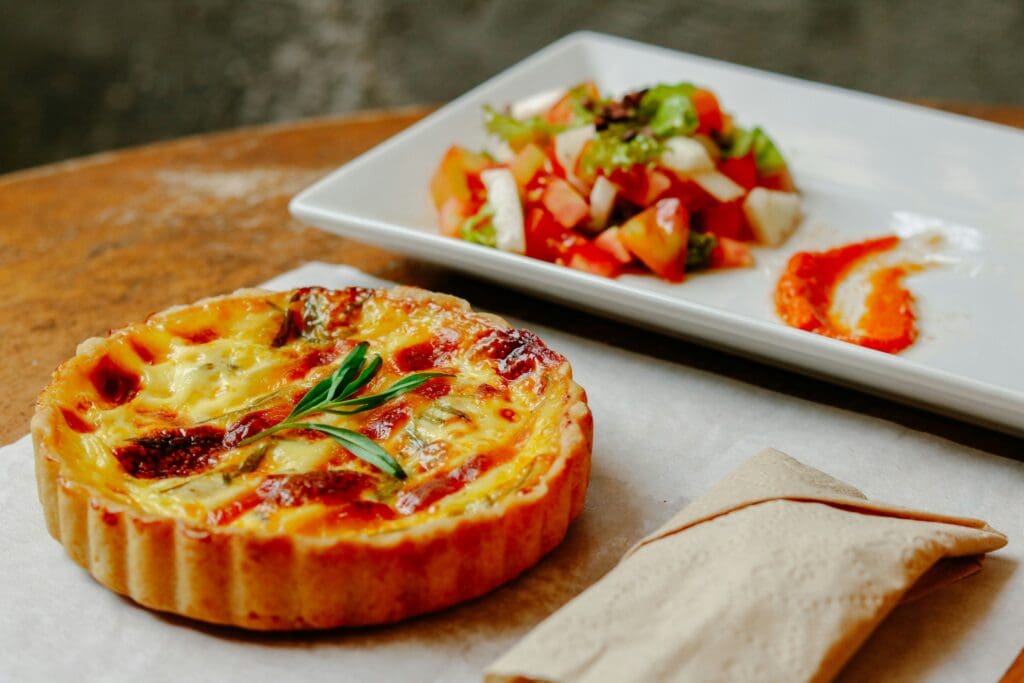
Food in France is not simply about dining — it is part of daily life and cultural identity.
Each region has its own specialties, traditions, wines, and culinary influences. In Provence, meals focus on olive oil, herbs, seafood, and fresh produce. In Alsace, dishes reflect both French and German influence, while Burgundy is known for rich wines and classic French cuisine.
Markets are central to French culture, and even smaller towns often have incredible bakeries, cheese shops, and cafés. Long lunches, fresh pastries, local wines, and multi-course dinners are all part of the experience.
France is also ideal for travelers interested in cooking classes, wine tastings, vineyard stays, and food-focused itineraries.
Popular Experiences
Watching the Eiffel Tower sparkle at night, wandering through the Louvre, and sitting at a Parisian café are classic first-time experiences that never truly feel overrated.
Beyond Paris, travelers often fall in love with driving through Provence, exploring château-filled villages in the Loire Valley, wine tasting in Burgundy or Champagne, and discovering storybook towns in Alsace.
Popular tours in The Loire Valley
River cruises through regions such as Bordeaux, Provence, or Normandy offer another elegant way to experience the country.
Food and wine experiences are among the highlights of traveling in France, whether that means taking a cooking class, visiting local markets, or enjoying a long dinner in a countryside village.
During winter, the Christmas markets in Strasbourg and Colmar create one of Europe’s most magical seasonal experiences.
FAQ
Is Paris enough for a first trip to France?
Paris is incredible, but France becomes even more rewarding when combined with another region such as Provence, Alsace, Normandy, or the Loire Valley.
Do I need a car in France?
Not always. Cities and major destinations are very well connected by train, but renting a car is highly recommended for countryside regions and smaller villages.
Is the train system easy to use?
Yes. France’s rail network is excellent and one of the easiest ways to travel between cities.
How many days should I spend in France?
A first trip usually works best with at least 10–14 days to combine Paris with one or two additional regions.
Is southern France too crowded in summer?
The French Riviera and Provence can become very busy in July and August. Late spring and early fall often provide a more relaxed experience with pleasant weather.
Are restaurants really closed in the afternoon?
In many smaller towns and traditional areas, yes. Lunch and dinner service often follow more structured hours than in the United States.
Is France expensive?
France can range from moderate to luxury depending on the destination and season. Paris and the Riviera tend to be more expensive, while smaller towns and countryside regions can offer better value.
Is it rude if I do not speak French?
No, but learning a few basic French phrases is appreciated and often leads to warmer interactions.
What is the best way to see multiple regions?
Combining high-speed trains with a short self-drive portion often creates the best balance between convenience and flexibility.
When is the best time to visit France?
Spring and fall are often considered ideal because of milder weather, smaller crowds, and a more relaxed atmosphere.
In Closing
France is the kind of destination that can feel completely different every time you visit. One trip may revolve around museums and cafés in Paris, while another centers around vineyard stays, countryside villages, or coastal escapes along the Mediterranean.
Whether you are dreaming of a classic first-time itinerary or a slower regional journey through food, wine, history, and culture, France offers endless ways to experience it beyond the guidebooks.
If you are ready to start planning your trip to France, I can help create a customized itinerary designed around your travel style, preferred pacing, and the experiences you want most from your journey.


Be the first to comment