
14 Days Through Tuscany: A Slower Journey Through Vineyards, Hill Towns & Hot Springs
May 14, 2026
There’s a version of Tuscany most people imagine before they ever visit Italy.
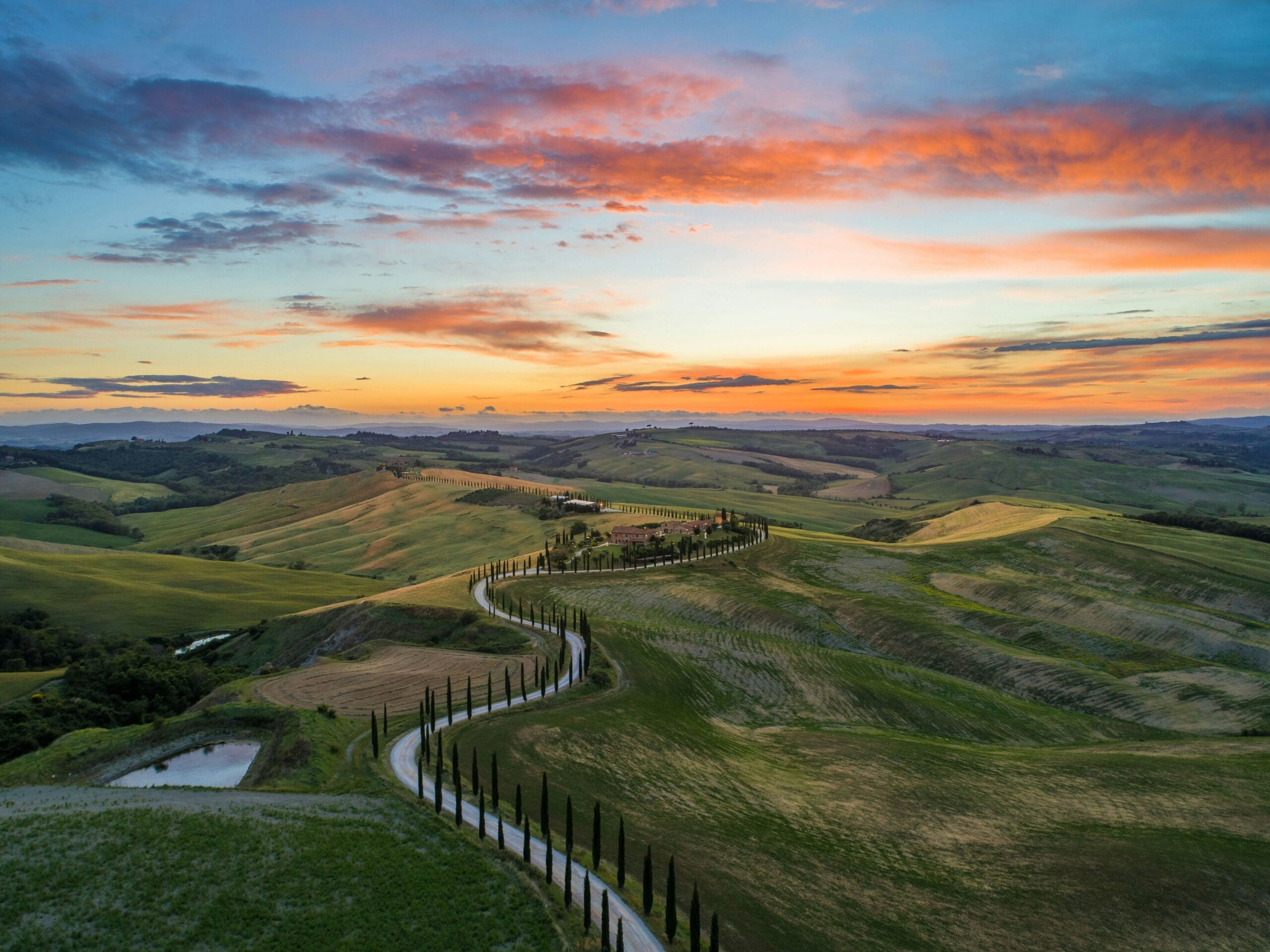
It’s the image of cypress-lined roads disappearing into rolling hills. Stone farmhouses glowing gold at sunset. Long lunches under vineyard terraces. Medieval towns sitting high above the countryside while church bells echo through quiet streets.
And while Tuscany absolutely has famous landmarks and postcard moments, the real magic happens when you slow down enough to experience the rhythm of the region itself.
This itinerary is designed exactly for that.
Instead of racing through Tuscany trying to “see everything,” this route gives you time to settle into each place properly — beginning in the Renaissance beauty of Florence before moving through the quieter hill towns, vineyards, countryside estates, cooking classes, wine regions, and thermal spa villages that make Tuscany unforgettable.
Over two weeks, the trip gradually slows down. Florence introduces the art, history, and energy of Tuscany. The hill towns bring the medieval atmosphere. Chianti becomes about wine and long countryside afternoons. Then finally, Val d’Orcia feels almost dreamlike — a stretch of Tuscany where the scenery itself becomes the experience.
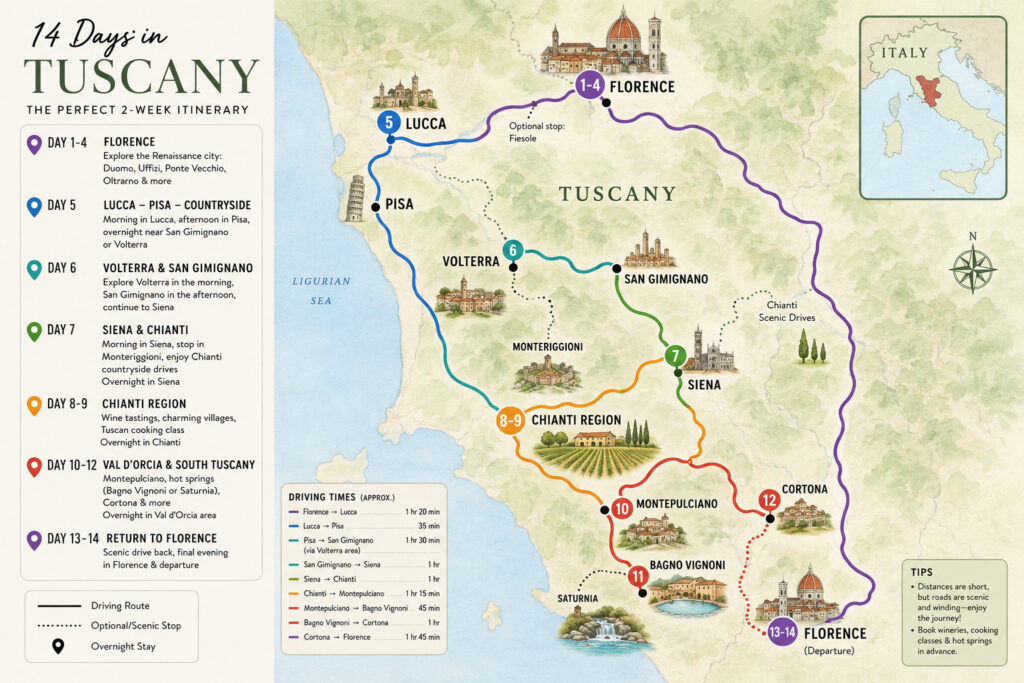
Route Overview
The map above illustrates the general route and the relative locations of the destinations featured in this itinerary. It is intended to provide a visual overview of the journey rather than turn-by-turn driving directions. Your exact route, overnight stays, and daily driving times may vary depending on your accommodations and any personalized experiences you choose to include.
Days 1–4: Florence — The Perfect Beginning
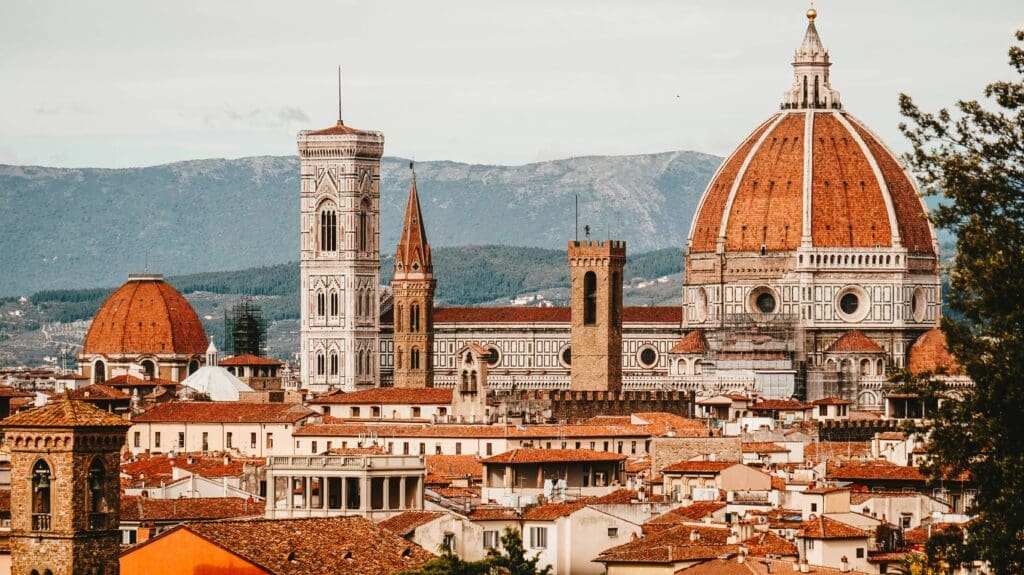
There’s no better introduction to Tuscany than Florence.
For the first few days, you settle into the rhythm of Italian city life before ever touching the countryside roads. Mornings begin with cappuccinos in quiet piazzas while the city slowly wakes up around you. The Duomo appears unexpectedly between narrow streets. Evenings stretch long past sunset with rooftop aperitivos overlooking terracotta rooftops.
Florence rewards wandering more than rushing.
Of course, there are iconic places worth seeing — the Duomo, the Uffizi Gallery, Ponte Vecchio, Michelangelo’s David — but some of the best moments happen between them. Long lunches. Hidden wine bars. Quiet artisan workshops in Oltrarno. Watching the sunset from Piazzale Michelangelo as the city glows below.
Four nights here allows enough time to actually enjoy Florence rather than simply checking off attractions before moving on.
And most importantly, there’s no rental car yet.
That comes later.
For now, Tuscany begins slowly.
Day 5: Leaving Florence for the Tuscan Countryside
The transition from Florence into the countryside feels immediate.
Once the car leaves the city behind, the roads begin opening into vineyards, olive groves, and rolling hills that slowly replace Renaissance streets.
The first stop is Lucca, one of Tuscany’s most relaxed and elegant towns. Unlike Florence, Lucca moves slowly. Locals bike along the old city walls. Cafés spill into quiet piazzas. There’s no pressure to rush from monument to monument.
This is the kind of place where Tuscany starts feeling lived in rather than toured.
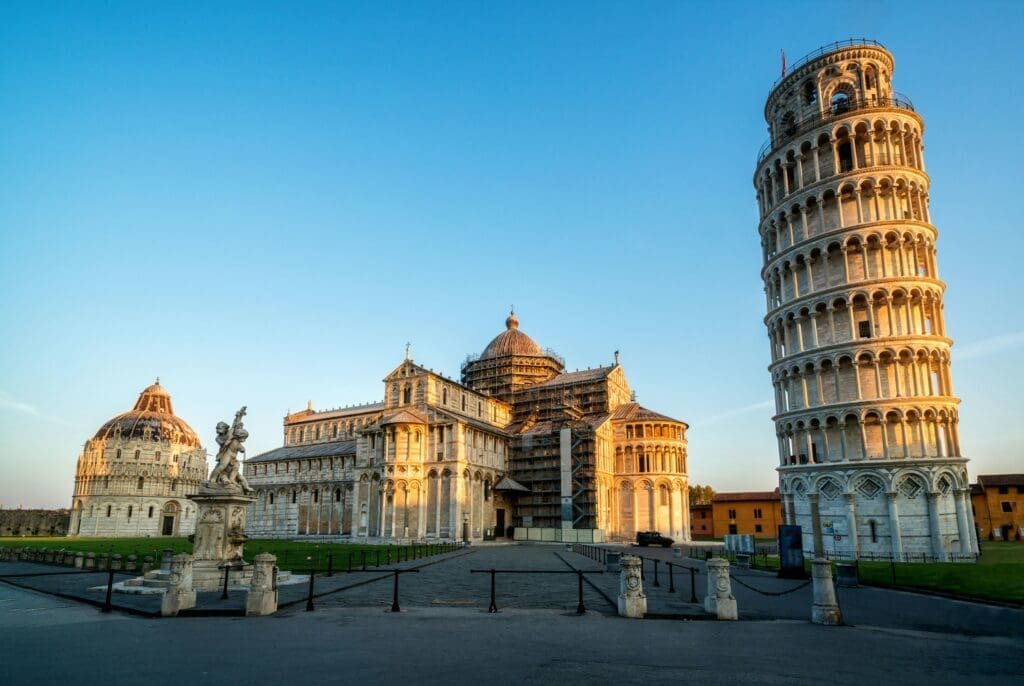
Later in the afternoon comes Pisa. The Leaning Tower is undeniably touristy, but seeing the white marble buildings rise unexpectedly from the green lawns of Piazza dei Miracoli is still impressive in person.
By evening, the route finally turns fully into the countryside.
Tonight is spent near San Gimignano or Volterra in a vineyard estate or agriturismo surrounded by hills and olive groves.
This is where Tuscany begins to slow down properly.
Dinner is no longer about finding restaurants in a city. It becomes sunset wine on a terrace overlooking vineyards.
Days 6–7: Medieval Hill Towns & Siena
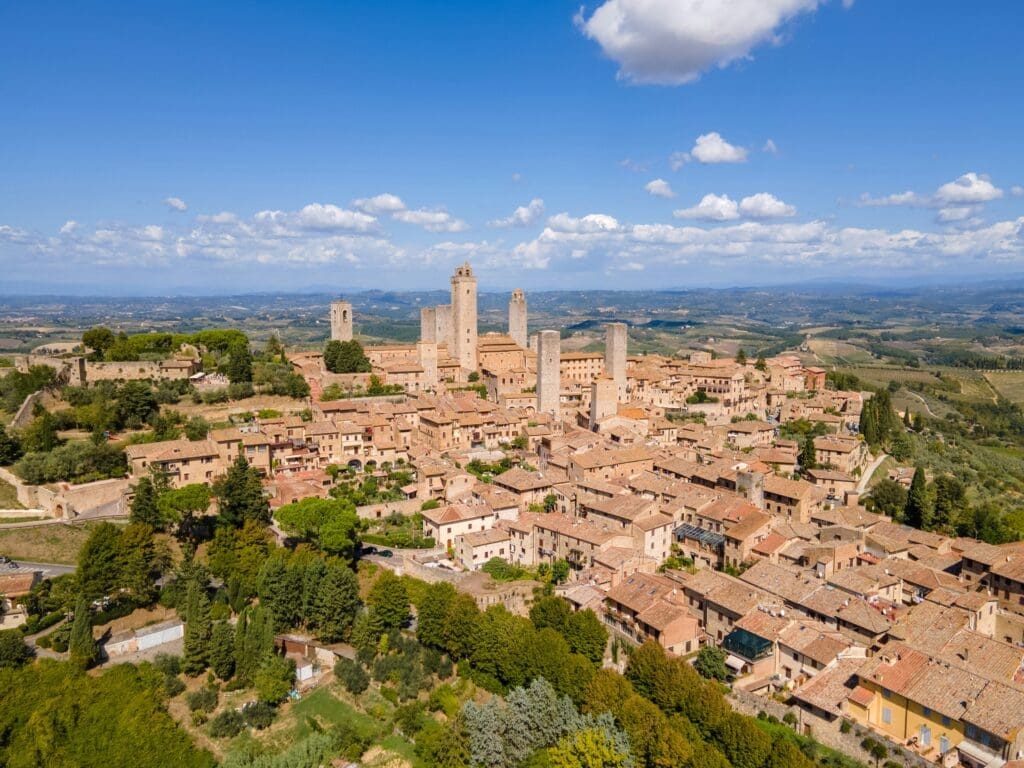
The next few days feel like driving through medieval Tuscany.
Volterra is atmospheric and quieter than many of Tuscany’s famous towns. Stone alleyways twist through the hilltop village while artisan shops and tiny piazzas appear unexpectedly around corners. It feels less polished, more authentic, and deeply historic.
Then comes San Gimignano, rising dramatically above the countryside with its famous medieval towers. The town is busier, but the skyline is unforgettable. Wine tastings spill into panoramic terraces while visitors wander through narrow lanes lined with wine shops, ceramics, and gelaterias.
Between towns, the drives themselves become part of the experience.
Cypress-lined roads stretch between vineyards and farmhouses while tiny villages appear on distant hilltops. There’s no need to rush these drives. Some of Tuscany’s best moments happen somewhere between destinations.
Before reaching Siena, there’s a stop in tiny Monteriggioni, a perfectly preserved walled village that feels frozen in time.
Then finally, Siena.
Siena feels dramatically different from Florence. More medieval. More mysterious. Less refined in the best possible way.
The streets rise steeply toward Piazza del Campo while hidden wine bars and candlelit trattorias fill the old city. At night, after most visitors leave, Siena becomes incredibly atmospheric.
Two nights here gives enough time to slow down and enjoy the city properly before moving deeper into wine country.
Days 8–9: Chianti — Wine, Villas & Cooking Classes
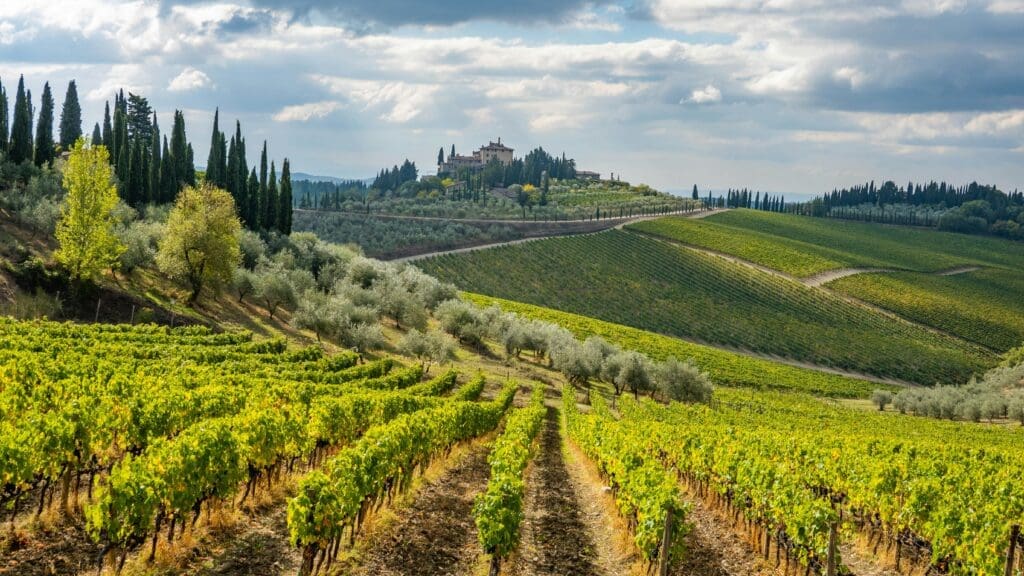
By the time you arrive in Chianti, the pace of the trip changes completely.
These are the days people often remember most vividly afterward.
Mornings begin slowly with espresso overlooking vineyards. Afternoons are spent driving between small wine villages like Greve, Radda, and Castellina in Chianti. Long lunches stretch into wine tastings while rolling hills surround nearly every road.
This is the Tuscany travelers dream about before they arrive.
The stay here should be somewhere rural — an agriturismo, countryside villa, or vineyard estate with panoramic views and enough space to simply relax.
One evening becomes dedicated to a Tuscan cooking class.
Not the kind held in a city kitchen, but a countryside farmhouse experience where pasta is handmade beside vineyards while wine flows throughout the evening. Dinner becomes communal and slow, stretching late into the night under the Tuscan hills.
These are the days where Tuscany stops feeling like an itinerary and starts feeling immersive.
Days 10–12: Val d’Orcia, Montepulciano & Hot Springs
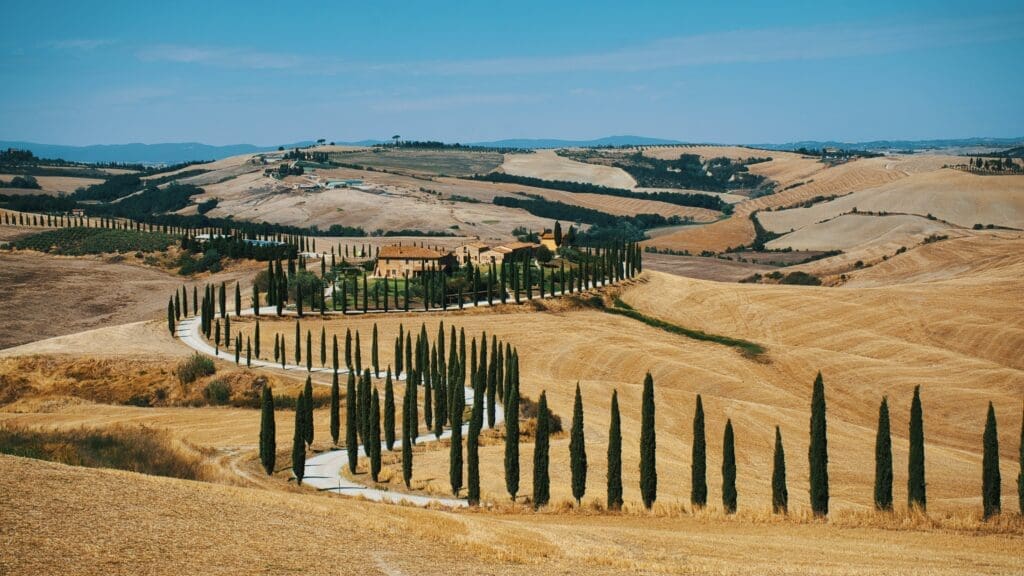
Southern Tuscany feels softer, quieter, and even more cinematic.
The drive into Val d’Orcia is one of the most beautiful in Italy. The landscape opens into endless rolling hills crossed by winding roads lined with cypress trees. Every turn looks like a painting.
Montepulciano rises dramatically above vineyards famous for Vino Nobile wine. Underground wine cellars hide beneath Renaissance streets while panoramic terraces overlook the countryside below.
Then comes the spa portion of the trip.
Whether staying near Bagno Vignoni or visiting Terme di Saturnia, these days are intentionally slower and centered around relaxation. Thermal pools, countryside spa hotels, quiet cafés, and vineyard dinners replace sightseeing schedules.
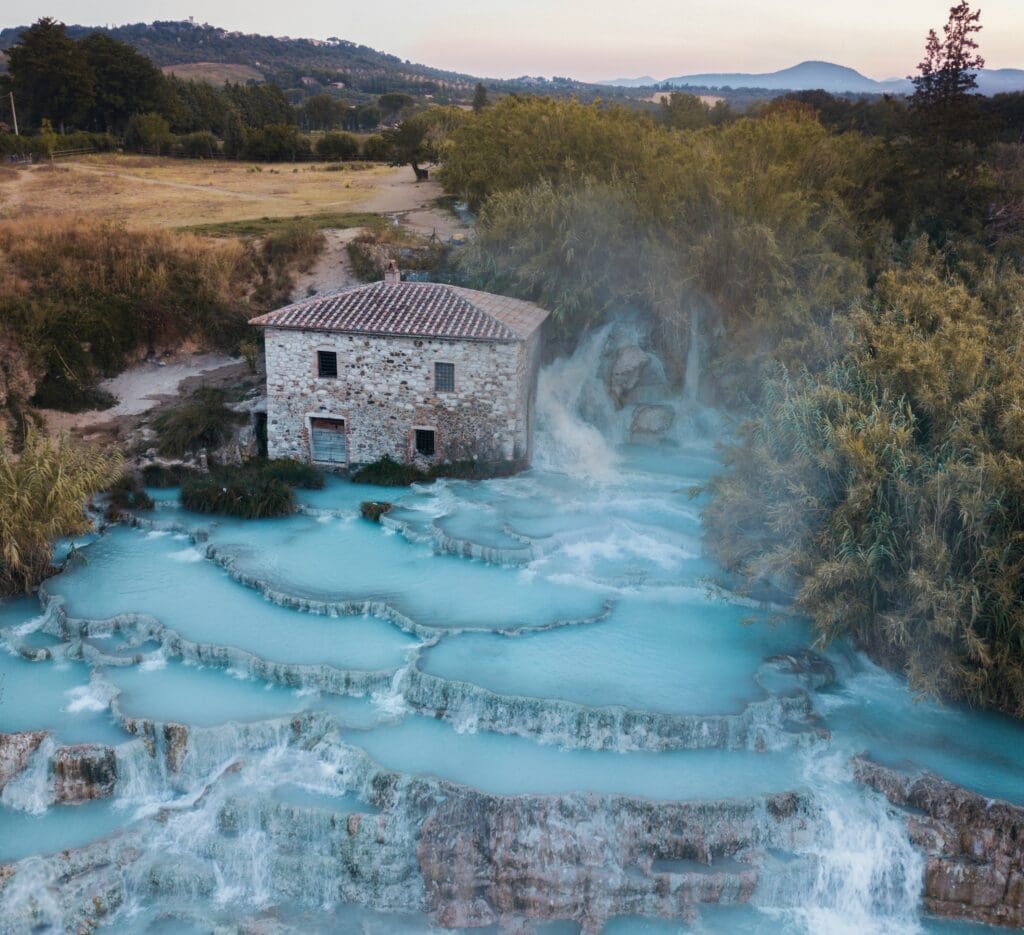
Finally, there’s Cortona — elegant, romantic, and quieter than many of Tuscany’s more famous towns. It’s the kind of place perfect for a final slow afternoon wandering through stone streets with no real plan at all.
Days 13–14: Returning to Florence
Eventually, the countryside roads begin leading back toward Florence.
The final drive north is intentionally relaxed. Maybe there’s one last vineyard lunch in Chianti. Maybe one final roadside viewpoint. Maybe just quiet countryside roads with the windows down.
Returning to Florence at the end of the trip feels completely different than arriving there at the beginning.
Now the city feels familiar.
The final evening is best spent slowly — rooftop aperitivo, one last Tuscan dinner, and a final nighttime walk across Ponte Vecchio while Florence glows along the Arno River.
And after two weeks of Renaissance cities, vineyard estates, medieval hill towns, cooking classes, thermal spas, and countryside roads, Tuscany no longer feels like a postcard.
It feels lived in.
Driving Tips for Tuscany
Driving through Tuscany is one of the highlights of the trip. Unlike Italy’s larger cities, much of the region is best explored by car, giving you the freedom to discover hill towns, vineyards, scenic viewpoints, and family-run wineries at your own pace. With a little preparation, driving here is straightforward and incredibly rewarding.
Wait to Pick Up Your Rental Car
If you’re beginning your journey in Florence, don’t rent a car immediately. Florence is very walkable, and its historic center is covered by ZTL (Zona a Traffico Limitato) restrictions that can result in hefty fines if entered without authorization. Instead, enjoy the city on foot and pick up your rental car on the day you leave for Lucca.
Choose the Right Size Vehicle
Many of Tuscany’s medieval towns were built centuries before cars existed. Streets can be narrow, parking spaces are often tight, and some roads through the countryside are just wide enough for two vehicles to pass. A compact or midsize car is usually the most comfortable choice, even if you’re traveling as a couple.
Reserve an Automatic Transmission Early
Manual transmissions are still the norm in Italy, and automatic vehicles are available in smaller numbers. If you prefer an automatic, reserve it well in advance—especially if you’re traveling during the spring, summer, or fall.
Expect Scenic, Slower Drives
The distances between towns may look short on a map, but don’t underestimate travel times. Winding country roads, breathtaking viewpoints, and charming villages will tempt you to stop often. Build extra time into your schedule and embrace the journey instead of focusing only on the destination.
Parking Is Usually Outside the Historic Centers
Many Tuscan towns have restricted traffic zones or pedestrian-only areas. Public parking lots are typically located just outside the city walls, followed by a short walk into the historic center. Comfortable walking shoes are essential, as many streets are steep and paved with uneven stone.
Download Offline Maps
Cell service is generally reliable, but it can become inconsistent in more rural areas. Downloading offline maps before leaving your hotel provides extra peace of mind while exploring the countryside.
Carry Some Cash
Most parking garages, cafés, and restaurants accept credit cards, but smaller villages, local markets, or parking meters may still require cash or coins. Having a small amount of euros on hand is always a good idea.
Fuel Stations Have Limited Hours
Many fuel stations close during lunch or in the evening, particularly in smaller towns. Some are self-service outside business hours, but not all accept foreign credit cards. It’s wise to refuel before your tank gets too low, especially when driving through rural areas.
Enjoy the Journey
Perhaps the most important tip of all is not to rush. Some of Tuscany’s most memorable moments happen between destinations—a vineyard that catches your eye, a quiet roadside café, or a panoramic viewpoint that wasn’t on your itinerary. Leave room in your schedule for those unexpected discoveries.
Ready to make your Tuscany vacation a reality? Fill out he Quote Request Form and lets get started!


Be the first to comment